Chengdu in early December 2026 offers a distinct, atmospheric introduction to southwestern China. While northern cities like Beijing plunge into freezing, dry temperatures, Chengdu settles into a milder, damp winter chill that perfectly complements its famous spicy cuisine and relaxed teahouse culture. For first-time visitors, structuring a two to three-day itinerary during this season means prioritizing early morning panda viewings, pacing your culinary adventures to avoid overwhelming your palate, and leaning into cozy indoor hotpot evenings.
Preparing for the Early December Damp Cold
Temperatures in Chengdu during early December generally hover between 5°C and 12°C (41°F to 54°F). While the thermometer readings seem moderate, the Sichuan basin’s high humidity creates a bone-chilling dampness that easily cuts through thin clothing. Unlike northern China, most standard buildings and older hotels in Chengdu lack central heating. Pack thermal base layers, a water-resistant insulated jacket, and warm socks. You will often want to keep a light jacket or sweater on even when sitting inside a café or a smaller local restaurant. Check the China Meteorological Administration forecast a few days before your flight, as early winter rain can occasionally make the city feel much colder than the numbers suggest.
Arriving in Chengdu: Airport Buffers and Transit
Chengdu operates two major international airports: Chengdu Shuangliu International Airport (CTU) and the newer, massive Chengdu Tianfu International Airport (TFU). TFU handles most international flights and is located roughly 50 kilometers from the city center. When arriving at TFU, allow for a significant buffer in your schedule. Getting through immigration, baggage claim, and taking Metro Line 18 into the city can take two hours or more. If you are arriving domestically, you might fly into CTU, which is much closer and faster to navigate.
For high-speed rail arrivals, check your electronic tickets on the official railway app, 12306, to confirm whether you arrive at Chengdu East, South, or West station (Chengdu East is the most common for major routes). Always verify transit schedules and customs requirements on the National Immigration Administration website near your travel week, especially if you plan to utilize China’s visa-free transit policies.
Structuring Your 2–3 Day First-Visit Flow
Attempting to see all of this sprawling metropolis in 48 hours is a recipe for burnout. The city’s charm lies in its laid-back rhythm. A solid Chengdu first-visit itinerary should embrace the local philosophy of slowing down.
Day 1: Arrival, Alleys, and Pacing the Spice
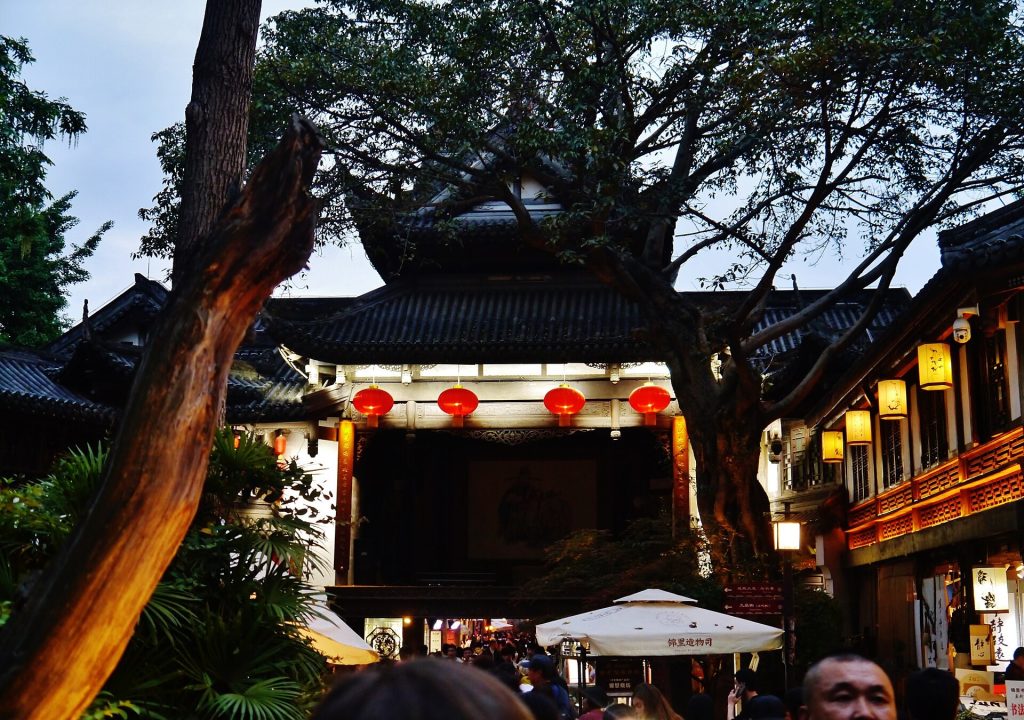
Use your first afternoon to acclimate to the city’s damp winter air. After checking into your hotel, wander through the historic pedestrian zones. A late afternoon stroll through Kuanzhai Alley offers beautifully restored Qing-dynasty architecture. While it can be busy, the atmosphere under the winter twilight is highly photogenic and a great introduction to the local vibe. For a detailed breakdown of navigating these popular zones without feeling rushed, see our Jinli Kuanzhai November guide.
For dinner, ease into Sichuan cuisine gently. Do not start with a blazing-hot chili oil hotpot on your first night. Order milder local staples like sweet and sour pork (Guobao Rou), mild mapo tofu, or clear broth noodles to give your digestion time to adjust to the local oils and peppercorns.
Day 2: The Non-Negotiable Panda Morning
The Chengdu Research Base of Giant Panda Breeding is best experienced right as the gates open. In early December, the cool weather means the pandas are highly active, often wrestling and eating bamboo vigorously before settling down to sleep by late morning. Executing a successful panda base morning requires securing tickets via the base’s official WeChat mini-program in advance (usually released a week prior). Bring your physical passport, as tickets are digitally tied to your identification. Arrive by 7:30 AM to beat the primary tourist buses, heading straight to the enclosures for the sub-adult pandas before looping back to see the red pandas.
Day 3: Teahouses, Museums, and Hotpot Evenings
Dedicate your final day to Chengdu’s profound history and tea culture. Spend the morning at the Chengdu Museum or the Jinsha Site Museum to understand the ancient Shu civilization. Since museum capacities are capped daily, verify current winter opening hours and reservation rules on their official websites prior to your visit.
In the afternoon, head to People’s Park to experience a traditional open-air venue like Heming Teahouse. Even in December’s crisp air, locals bundle up in their winter coats to drink jasmine tea, play mahjong, and chat for hours. Finally, reward yourself on your last evening with an authentic Sichuan hotpot experience. The rich, spicy, bubbling oils are the perfect remedy for the damp winter cold. Order a “yuanyang” (half spicy, half clear mushroom or tomato broth) pot so you have a safe zone for cooking your meats and vegetables if the spice becomes too intense.
Practical Checklist for Early December 2026
Documentation: Verify current visa-free transit rules via the National Immigration Administration if you plan to use this policy. Have your hotel confirmation and onward flight printed in English and Chinese.
Apps: Download WeChat, Alipay, and the 12306 railway app. Bind a foreign credit card to WeChat Pay or Alipay prior to your departure to ensure seamless payments.
Attraction Tickets: Pre-book the Panda Base and major museums using your exact passport details at least a few days in advance.
Clothing: Pack thermals, a windproof and water-resistant outer layer, and sturdy walking shoes.
FAQ
How spicy is authentic Chengdu food for a beginner?
Sichuan cuisine relies heavily on both dried chili peppers and Sichuan peppercorns, which create a unique, numbing spice known as “ma-la.” If you have a low spice tolerance, learn the phrase “bu la” (not spicy) or “wei la” (mildly spicy). Always balance your meals with non-spicy vegetable dishes, clear broths, and steamed rice to pace your palate.
Is early December a good time to visit the pandas?
Related Lovely China reading
For payments, start with Alipay and WeChat Pay hub and WeChat Pay vs Alipay for tourists. For trains, keep high-speed rail first-timers guide and 12306 passport signup for foreigners handy. City hubs: Beijing first-visit guide, Shanghai first-visit guide. Connectivity: roaming vs local SIM honest guide, pocket Wi-Fi vs eSIM for China, offline maps for foreigners. Bookmark China travel tools page.
Practical checklist
- Confirm official rules on the relevant government, park, airline, or bank page near your travel week
- Screenshot bookings, tickets, and QR codes while you still have stable Wi-Fi
- Save hotel and attraction names in Chinese characters in your phone notes
- Carry passport, a backup payment method, and a small cash float (why cash is still needed)
- Test one small mobile payment before you rely on wallets at a gate or taxi
- Keep the China travel tools page page bookmarked for related Lovely China hubs
FAQ
Is this travel advice official?
No. Lovely China orients travellers. Verify live rules on official pages, apps, and counters near your travel week.
Will every city behave the same?
No. Airports, stations, parks, and markets differ. Use local signage and staff instructions when they conflict with a general guide.
What should I screenshot before I lose Wi-Fi?
Bookings, tickets, hotel Chinese address, pickup pins, and payment success screens.
Notes for late 2026 travellers
November and early December bring cooler mornings, earlier sunsets, and comfortable walking weather across much of eastern and central China. Pack layers and leave extra time on clear weekends at popular sights.
This article does not invent ticket prices, opening hours, processing times, consular fees, or official statistics. When a number matters, verify it on the official site, app screen, or ticket board near your travel week.
If an official rule page disagrees with this guide, follow the official page. Lovely China orients English-speaking travellers; we are not an immigration, banking, or medical authority.