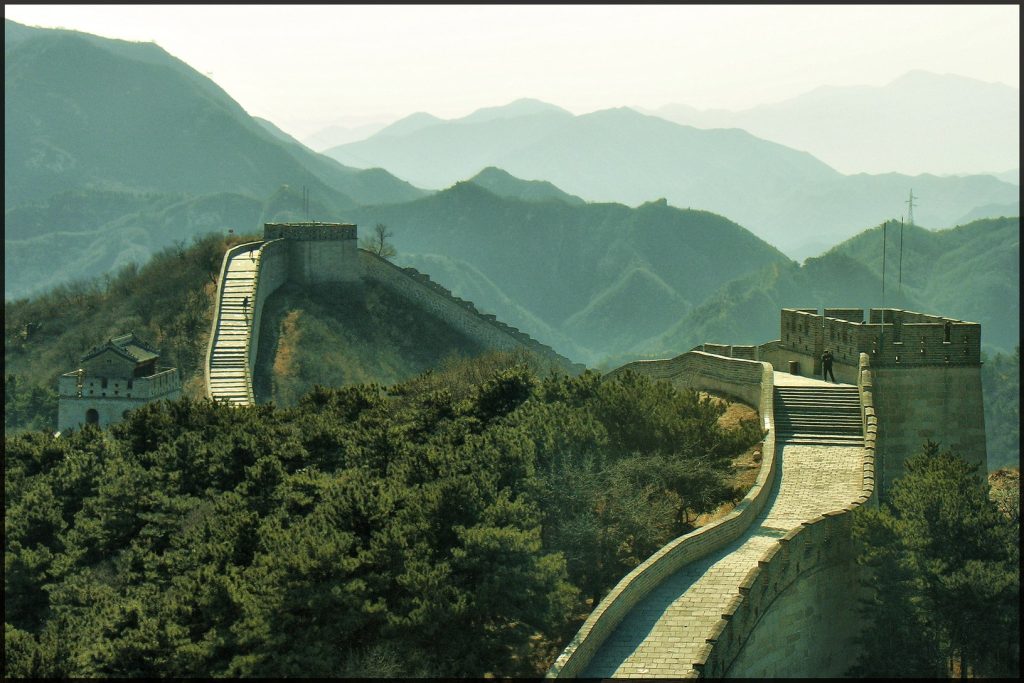
Badaling is the Great Wall section many first-time visitors still picture when they say they want to “see the Wall.” In late December 2026 and through New Year week into 2027, that picture should include a pale cold sky, a wind that feels sharper on the rampart than it did in the car, and the possibility of ice on steps. It is a rewarding winter walk when you dress for it and when you check official opening hours and tickets in the week you go. It is a miserable one if you arrive in city shoes with a screenshot of last autumn’s timetable.
This is a late-December and New Year how-to for Badaling, not a general “which section should I choose” essay. For that comparison, use Mutianyu vs Badaling Great Wall and the late-December Mutianyu notes in Mutianyu Great Wall late December winter guide. An earlier-season Badaling piece, Badaling Great Wall early December, covers early December; this article focuses on the colder turn of the year and on what ice, wind, and early sunsets do to a day plan. Put the visit in a wider city context with Beijing late December and New Year planner and Beijing first-visit guide.
Check official hours, tickets, and access before you commit the day
Opening hours, ticket products, and access to cable cars, pulleys, or other official hill transport can change with weather and with the season. Read the official Badaling visitor site and the official booking platform you actually use in the week you travel. Do not invent a price here, and do not assume the Wall is closed—or open—on New Year’s Day. 1 January 2027 may be a busy public-holiday date; that is a reason to check the official notice, not a reason to publish a fake “always closed” or “always packed” claim.
Book only through official or clearly authorised channels. Keep the booking code and a passport-ready biodata page. Some products are tied to a name or an ID; if a foreign passport is accepted on the platform you use, complete the fields carefully. If the official site says a section, a cable car, or a shuttle is suspended because of wind or ice, believe it. A winter day on the Wall is not improved by arguing with a closed gate.
If you are still choosing between Badaling and Mutianyu, do that at the hotel, not in a taxi already heading northwest. Badaling is often the more straightforward official-transport story from central Beijing, and it is also the more famous, which can mean more tour groups on a clear holiday. Mutianyu has its own winter character. Neither is “the easy one” if the steps are icy.
Winter on the rampart is a clothing and footing problem
The temperature in urban Beijing is not the temperature on an exposed wall. Wind on the battlements can make a merely cold morning feel biting, especially in late December and early January. Wear real layers, a hat, gloves you can use with a phone, and shoes with grip. Fashion trainers and a city coat are a common visitor mistake. Ice on grey brick is slick. Take the steps slowly, use the handrail where there is one, and skip a steep unrestored-looking stretch if official signs discourage it.
Early sunsets in this season shrink the afternoon. Start earlier than a summer plan would suggest, and decide in advance when you will turn back so you are not on a steep stair in fading light. A clear, cold day can be beautiful: dry air, long views, fewer leaves to soften the line of the wall. A grey, windy day can still be worth it if you are dressed; it is not worth a long outdoor wait for a cable car that official boards have already stopped.
Cafes and indoor waiting areas, when they are open, are useful. They are not a substitute for layers. Carry water; winter air is dry, and you will still climb. Phone batteries drain faster in the cold; keep a power bank that has already cleared any rail or security rules, and do not start the visit at five percent.
Getting there, moving along the wall, and leaving with a buffer
Official options typically include railway or bus services that official Beijing or Badaling transport pages currently describe, and official taxis or Didi from the city. Confirm the day’s path on those official pages and on station signage. This article will not invent a train number or a last return time. Holiday week can be busier at both ends of the trip; leave a buffer back into the city if you have an evening plan.
On site, follow official signs for the entrance you booked and for any cable car, rail, or shuttle included in an official product. Staff instructions about closed stretches or a one-way flow override a route you memorised from a summer video. If a cable car is part of your plan, check its official operating status that morning. Wind closures are a winter fact, not a personal inconvenience the desk can waive.
Eat and use toilets when you see an official, open facility; the wall itself is not a picnic that you should linger on until you are cold and late. If you need a quieter photograph, walk a little farther from the first photogenic watchtower rather than climbing a barrier.
For tickets, payments, and a city-side dinner afterwards, keep China travel tools page and a working wallet available, plus a modest cash float if a machine is picky. The Wall will still be there on a milder morning if official notices have closed what you wanted today. The calm winter visit is the one you dressed for, booked on an official page, and left enough daylight to finish.
Related Lovely China reading
For payments, start with Alipay and WeChat Pay hub and WeChat Pay vs Alipay for tourists. For trains, keep high-speed rail first-timers guide and 12306 passport signup for foreigners handy. City hubs: Beijing first-visit guide, Shanghai first-visit guide. Connectivity: roaming vs local SIM honest guide, pocket Wi-Fi vs eSIM for China, offline maps for foreigners. Bookmark China travel tools page.
Practical checklist
- Confirm official rules on the relevant government, park, airline, or bank page near your travel week
- Screenshot bookings, tickets, and QR codes while you still have stable Wi-Fi
- Save hotel and attraction names in Chinese characters in your phone notes
- Carry passport, a backup payment method, and a small cash float (why cash is still needed)
- Test one small mobile payment before you rely on wallets at a gate or taxi
- Keep China travel tools page bookmarked for related Lovely China hubs
FAQ
Is Badaling closed on New Year’s Day 2027?
Do not assume it is closed—or open. Check the official Badaling visitor site and your booking platform in the week you travel. Opening hours and cable-car or shuttle access can change with weather and ice.
How cold is the Wall compared with Beijing city?
The rampart is more exposed. Wind and possible ice on steps make real layers, gloves, and shoes with grip more important than a city coat and fashion trainers. Start earlier because sunsets come sooner in late December.
Should I still go if official notices suspend a cable car?
Believe the official notice. Wind and ice closures are a winter fact. You can walk officially open stretches if you are dressed for it, or move the visit rather than arguing at a closed gate.
Notes for late 2026 travellers
Late December 2026 and the New Year week into 2027 bring colder mornings, earlier sunsets, and holiday crowds in many city hubs. Pack real winter layers in the north, and leave extra time on weekends and around 1 January.
This article does not invent ticket prices, opening hours, processing times, consular fees, or official statistics. When a number matters, verify it on the official site, app screen, or ticket board near your travel week.
If an official rule page disagrees with this guide, follow the official page. Lovely China orients English-speaking travellers; we are not an immigration, banking, or medical authority.