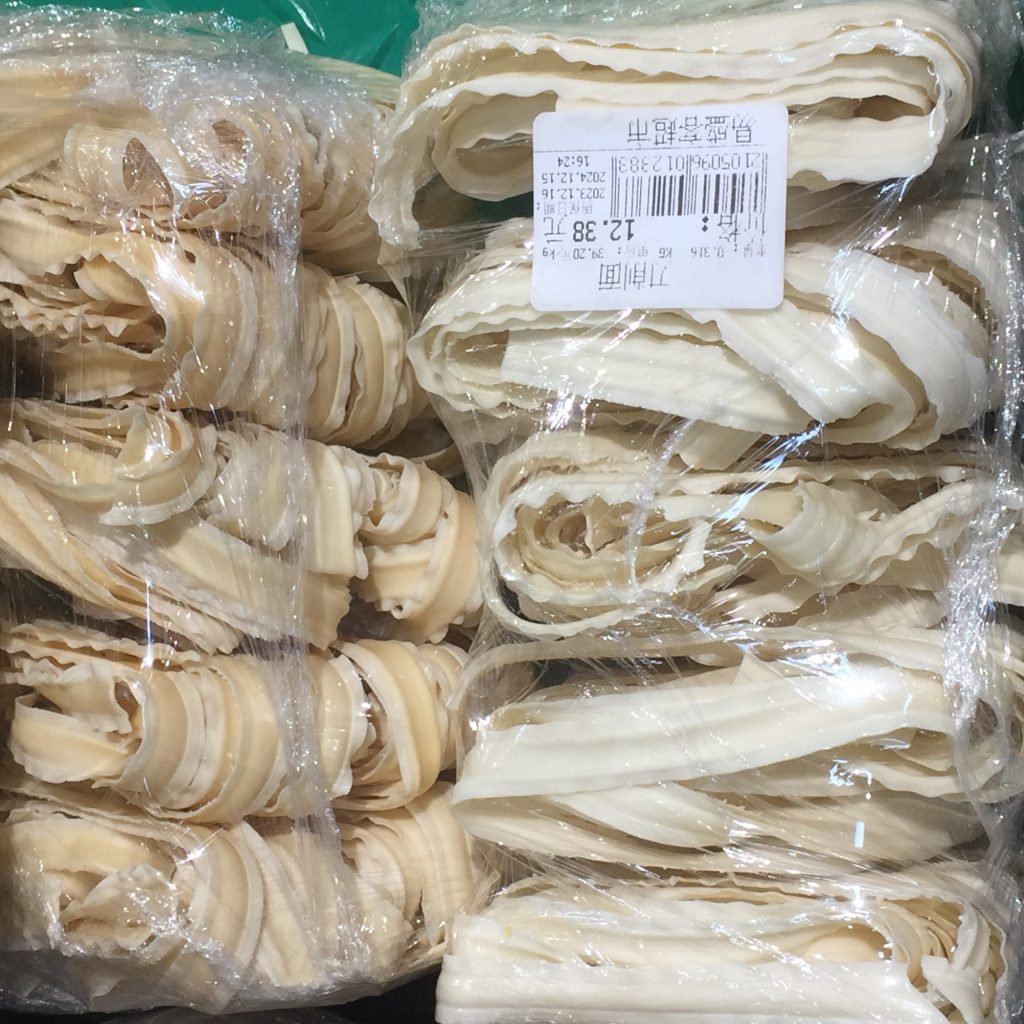
What knife-cut noodles are
Knife-cut noodles—刀削面 (dāoxiāo miàn, daoxiaomian)—are wheat noodles shaved directly from a firm dough block into boiling water with a blade. The pieces come out thick, chewy, and slightly irregular: wider ribbons mixed with narrower strips. That uneven geometry is a feature, not a mistake. Shanxi province is the famous homeland; shops across China now serve the style, from specialist counters to mall noodle brands.
If you like ramen, udon, or hand-pulled noodles, daoxiaomian sits in the “hearty wheat chew” family. It is more rustic than delicate soup noodles and less chili-theatrical than a full Sichuan hotpot night—though you can still add heat.
This guide helps first-timers recognize the dish, choose soup vs “dry” bowls, manage toppings and spice, and order without pretending to speak fluent food-court Chinese.
Why it is a strong first noodle stop
Daoxiaomian is filling, relatively fast, and easy to customize. One bowl is often a complete lunch. You can see the shaving show at some restaurants—the cook angled over a pot, blade flicking dough into steam—which is half the fun. Texture stays interesting to the last bite if the kitchen does not overcook.
Compared with other regional noodle adventures you might schedule on other days—dan dan noodles for Sichuan sesame-chili, or dumpling sides from our jiaozi guide—knife-cut noodles emphasize chew and savory toppings over numbing heat as the main event.
Soup bowls vs “dry” (mixed) bowls
Tang / soup style
Noodles arrive in a savory broth with toppings on top or on the side. Broths range from light tomato and egg to richer meat-based soups. Good for colder days and for diners who want to soften spice with liquid.
Dry / mixed style (浇头 / 拌)
Noodles drained and tossed or topped with sauce and toppings—soy-savory, tomato-egg, meat sauce, or vinegar-forward dressings depending on the shop. You mix as you eat. Flavors hit harder because they are not diluted.
First-timer tip: if you fear salt or spice concentration, start with soup. If you want maximum chew-and-sauce contrast, go dry and request mild.
Common toppings and proteins
- Tomato and egg — friendly, widely liked, lower intimidation
- Pork or beef sauce — hearty; ask about spice
- Stewed meat slices — shop-dependent
- Egg, tofu, greens — useful add-ons
- Pickles / vinegar / garlic — brighten heavy bowls
Shanxi vinegar culture is real: a splash of vinegar can make a heavy bowl suddenly make sense. Try a little before drowning the noodles.
If you do not eat pork, say 我不吃猪肉 and point to beef, egg-tomato, or vegetable options. Do not assume the default meat sauce is beef.
Spice without fake numbers
Many daoxiaomian shops treat chili oil as an optional table condiment rather than the identity of the dish. That is good news. Start with the bowl as served; add chili oil in half-spoons.
Ask for 不辣 or 微辣 when the menu lists spicy meat sauces. Vinegar and garlic are not “heat,” but they wake up your mouth—useful if you skipped chili.
If you already know your chili ceiling from malatang or hotpot nights, still reset expectations: here heat is usually a topping, not a swimming pool of oil.
How the shaving works (what you are watching)
The cook holds a dough loaf and shaves strips into boiling water so they cook immediately. Fresh batches taste better than noodles that sat in a colander. Busy lunch hours mean higher turnover—your friend for texture. If a bowl arrives gummy and lifeless, the noodles may have waited too long; polite feedback is possible in sit-down shops, but at peak rush it may be simpler to finish what you can and choose a busier specialist next time.
You do not need to praise the knife skills out loud. Eating with enthusiasm is enough.
Ordering script
1. Choose style: 汤面 (soup) or the shop’s dry/mixed name—point if unsure.
2. Choose topping: tomato-egg is a safe first bowl for many people.
3. Add preferences: 不辣, 少盐 (less salt) if available, 不要香菜.
4. Consider a small side of vegetables if the bowl is meat-heavy.
5. Mix gently from the bottom so sauce coats the thick pieces.
Photo menus help. When the table uses QR ordering, the same habits in Chinese restaurant QR menus for foreigners apply. Pay with Alipay / WeChat Pay.
How to eat the thick pieces
Lift with chopsticks from underneath so wide ribbons do not slap broth everywhere. Bite rather than attempting to inhale a whole strip. Blow on hot soup noodles; the thick dough holds heat. If sauce pools at the bottom of a dry bowl, keep tossing as you go.
Slurping is common; neatness norms vary by venue. In a quiet mall, be a bit tidier than in a noisy specialist shop.
Regional and chain notes
In Shanxi restaurants abroad-in-China (specialty shops in big cities), expect pride in vinegar and noodle texture. In generic food courts, daoxiaomian may be one button among twenty noodle SKUs—still fine for a first taste, less of a craft show. Northern cities often have more daytime noodle traffic; southern cities still serve it widely through chains.
Pairing idea: keep daoxiaomian as your midday anchor when evenings are booked for grill skewers or hotpot. Your jaw will thank you for not scheduling three max-chew meals in a row.
What to drink and what to skip
Hot tea or plain water suits salty bowls. Ice drinks are fine if you want them; they are not mandatory. You do not need a huge appetizer order—these bowls are the meal. Skip stacking an extra heavy meat platter unless you are sharing among many people.
Comparing daoxiaomian to other wheat noodles
Hand-pulled noodles stretch into long strands; knife-cut noodles are shaved into short-to-medium irregular pieces. Biangbiang-style wide belts are a different Shaanxi story you may meet elsewhere. Lanzhou-style beef noodle soup is its own clear-broth ritual. You do not need to rank them—just know that “刀削面” on a sign means you should expect chew and width variation.
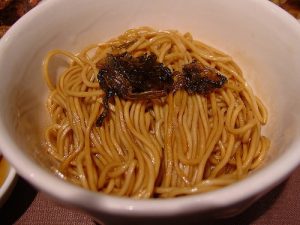
If a food-court photo shows perfectly identical spaghetti-like strands under a daoxiaomian label, it may be a looser marketing use of the name. Specialist shops with a visible shaving station are the clearer lesson.
Salt, vinegar, and garlic as your controls
Before chili oil, try vinegar and garlic. Shanxi-leaning shops often expect a vinegar splash. Garlic wakes fatty meat sauces. Salt levels vary wildly by chain; if the first sip of broth is already intense, do not add chili “to be polite.” You can ask for 清淡一点 (qīngdàn yìdiǎn — a bit milder/lighter) when ordering in quieter sit-down rooms.
Sharing and leftovers
One large bowl is usually enough for one adult. Sharing one bowl and adding a vegetable dish can work for lighter eaters. Leftover noodles sog quickly; takeaway is acceptable but texture drops. If you must pack up, keep sauce separate when the shop allows.
Lunch rush strategy
Arrive slightly before or after peak office lunch if you want the show and a seat. Peak means fresher turnover but more noise and faster service. Show the photo, hold up one finger for one bowl, and step aside after paying at cashier-first shops.
What success tastes like
A good bowl has springy noodles that still resist the tooth, toppings that taste cooked today, and a sauce or broth that coats without turning the dough to mush. Average bowls are still filling. Great bowls make you understand why someone would specialize in a single noodle craft.
If your first bowl is only “fine,” try a specialist Shanxi shop on another day before deciding you “don’t like knife-cut noodles.” Venue quality gaps are wide.
Night markets vs noodle shops
You may see fried or cold noodle snacks at night markets that are unrelated. For classic daoxiaomian, a dedicated noodle shop or northern restaurant is the clearer first classroom. Night markets shine for skewers; see our chuan’r skewers guide when you want smoke and cumin instead of shaved wheat.
First-timer checklist
- Know the name: 刀削面 / daoxiaomian
- Pick soup (gentler) or dry (stronger sauce)
- Tomato-egg or clear mild topping for bowl one
- Chili oil optional, added by you
- Watch for fresh shave / high turnover
- Mix thick noodles thoroughly in dry bowls
- Phone pay ready
Knife-cut noodles reward people who like chew and straightforward savory toppings. Order a mild first bowl, add vinegar or chili only after you understand the base, and let the irregular ribbons do what factory noodles cannot.