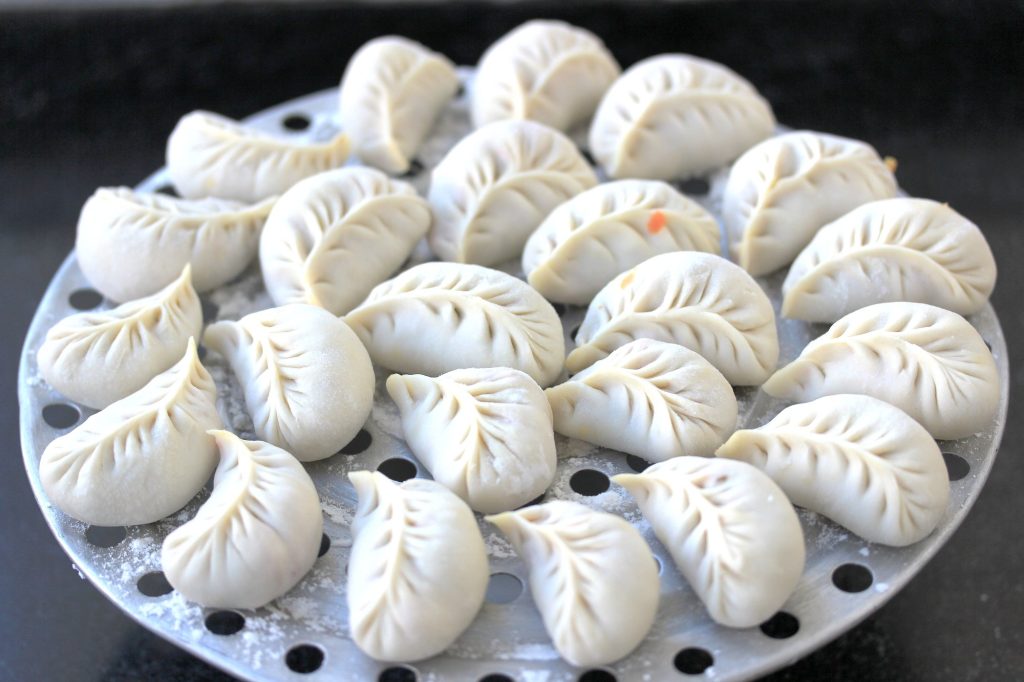
Why jiaozi is a calm first dumpling to learn
Jiaozi (饺子) — Chinese dumplings with a thin wheat wrapper and a savoury filling — are one of the most approachable classic dishes for foreign visitors. You meet them in northern home-style restaurants, dumpling chains, hotel restaurants, and family gatherings around Mid-Autumn and winter holidays. You do not need hotpot bravery or street-stall timing skills. You need a cooking-style choice (boiled vs pan-fried), a simple dipping sauce, and a few filling words.
Early autumn 2026 is a friendly practice window. Mid-Autumn Festival falls on Friday 25 September 2026 (short holiday roughly 25–27 September), with a makeup workday on Sunday 20 September. National Day Golden Week runs roughly 1–7 October 2026, with a makeup workday on Saturday 10 October. Family dinners thicken on Mid-Autumn; tourist restaurants thicken in Golden Week. A slightly earlier dinner keeps first-timer ordering calm. If your trip straddles both holidays, skim Golden Week 2026 vs Mid-Autumn.
This guide covers what jiaozi are, how boiled and pan-fried styles differ, how dipping sauces work, how to order without guesswork, and how to pace a first plate.
What you are actually ordering
The dumpling itself
A jiaozi is a dumpling made from a thin wheat dough wrapper folded around a filling, then boiled, steamed, or pan-fried. The wrapper is thinner than a baozi bun and thicker than many wonton skins. Fresh pieces feel soft, slightly elastic, and hot inside.
Related items often appear on the same menu:
- Baozi (包子) — thicker steamed buns; see baozi Chinese breakfast
- Xiaolongbao — soup dumplings with a different eating method
- Wontons / huntun — often in soup, different fold and texture
- Guo tie / potstickers — pan-fried dumplings closely related to jiaozi
On day one, stay with ordinary jiaozi. Save soup-burst specialists for a sit-down meal when you have time.
Fillings you will see most often
Menus vary by region, but first-timers usually meet these patterns:
1. Pork (zhūròu / 猪肉) — the default in many northern shops; often mixed with cabbage or chives.
2. Pork and cabbage / chives — mild, juicy, easy when you want vegetables in the bite.
3. Beef or lamb — common in some northern and northwestern styles.
4. Shrimp or seafood mixes — useful if you avoid pork, where available.
5. Egg and chives / vegetarian (sù / 素) — greens, egg, mushrooms, or tofu depending on the shop.
6. Chicken — less universal than pork, but increasingly common.
If labels are only in Chinese, photos help. Pointing works. Asking “什么馅?” (what filling?) often gets a short answer or a gesture at the tray.
Boiled vs pan-fried: choosing without awkwardness
Boiled jiaozi (shuijiao)
Boiled dumplings are the classic calm first order: soft wrapper, juicy filling, easy to share. They arrive on a plate or in a shallow basket, often with a little steaming moisture. Dip, bite, and continue. These are friendly when you are learning chopsticks or sharing with a group.
Pan-fried jiaozi (guotie / jianjiao)
Pan-fried dumplings have a crisp golden base and a softer top. They taste richer and look dramatic. Technique tip: lift from the side so the crispy base stays intact; do not stab straight down and tear the skin if you can help it.
Steamed
Steamed jiaozi sit between boiled and fried in texture. Follow the same dipping logic as boiled.
Calm first-timer rule: order boiled pork or vegetable jiaozi first. Add a small plate of pan-fried on round two once you know your appetite.
Dipping sauces without overthinking
A classic table mix is simple:
- Black vinegar (cù / 醋)
- A little soy sauce if you want saltier depth
- Chilli oil or chilli crisp if you already like heat
- Optional raw garlic or ginger where offered
Start with vinegar alone. Add chilli only after the first dumpling. The filling already has seasoning — drowning the plate is optional, not required.
If the table has a communal sauce tray, use the serving spoon into your own dish. Do not dip chopsticks straight into a shared sauce bowl after biting.
Street stall vs restaurant: reading the flow
Counter and steam-shop flow
At a dedicated dumpling shop, watch one customer ahead of you. Typical rhythm:
1. Choose boiled or pan-fried and a filling.
2. Say the count (often sold by the liang / small plate / or number of pieces — follow the menu unit).
3. Pay by mobile wallet or cash if accepted.
4. Wait for your number or plate.
5. Mix a small dipping dish and eat while hot.
Busy counters reward decisive orders. Set up Alipay and WeChat Pay for foreign visitors before dinner week so you are not hunting payment apps while the queue waits.
Sit-down restaurant and QR quirks
Sit-down spots give you chopsticks, vinegar on the table, and a few extra minutes. Later in the day, QR ordering appears more often. If English is limited, QR menus for foreigners habits help: photograph the Chinese dish name, show staff, and confirm boiled vs fried out loud.
Useful ordering words and a sample script
Keep the script short:
- Jiaozi: jiǎozi / 饺子
- Boiled: shuǐjiǎo / 水饺
- Pan-fried: jiānjiǎo / 煎饺 or guōtiē / 锅贴
- Pork: zhūròu / 猪肉
- Vegetarian: sùde / 素的
- Vinegar: cù / 醋
- Not spicy: bú là / 不辣
Sample: “一盘猪肉水饺” — one plate of pork boiled dumplings.
If staff ask boiled or fried, point and say “水饺” or “煎饺.” If they ask “几位?” they are asking how many people for seating — hold up fingers.
How locals actually eat it
There is no single ritual, but these habits travel well:
- Dip lightly; bite while hot; pause if the filling is hotter than the wrapper.
- For pan-fried, protect the crispy base.
- Use a spoon under the dumpling if the wrapper is delicate and you are still learning chopsticks.
- Do not spear and wave — keep plates low and movements small in busy shops.
If dumplings arrive stuck together, gently separate with chopsticks or a spoon. Tearing is normal; perfection is not required.
Portions, pairings, and first-timer pacing
A single plate is enough for many adults as a light meal; hungry walkers may want a second plate or a side of soup, vegetables, or rice. Avoid ordering three styles “just in case” on day one; you can always add.
Pairings that stay calm:
- Hot broth or egg-drop soup
- Simple cucumber salad or pickled vegetables
- Soy milk or tea rather than stacking heavy fried sides
Regional texture differs. Some cities favour thinner wrappers; some fillings are heavier on cabbage, others on chives. Taste before drowning in chilli. Hotel buffet dumplings can sit under heat lamps — still fine, but neighbourhood dumpling shops are usually better when you have time.
If you already enjoy breakfast baozi or youtiao mornings, jiaozi fit naturally as a lunch or dinner anchor. Keep day one simple so the order flow becomes automatic — then explore youtiao and soy milk breakfast on another morning.
Timing around Mid-Autumn and Golden Week 2026
Holiday dinners are busy near tourist streets and major stations. On Mid-Autumn (Friday 25 September 2026) and across ~25–27 September, family gatherings raise evening demand. Golden Week (~1–7 October) does the same at a larger scale. The Sunday 20 September makeup workday can also thicken weekday-style evening queues.
Practical habits:
- Aim for earlier dinner when your schedule allows.
- Keep a hotel restaurant dumpling plate only as a backup — the classic experience is a busy neighbourhood shop.
- If you are invited to a Mid-Autumn family meal with homemade jiaozi, follow the host’s dipping lead and say thank you — homemade plates are hospitality, not a food-tour stop.
Hygiene, allergies, and calm expectations
Wrappers are wheat. Fillings may include pork, beef, egg, shrimp, soy, sesame oil, or peanuts in table sauces. If you have gluten, shellfish, meat, or other allergies, ask clearly and do not guess from colour alone. Shared chopsticks and sauce spoons are normal; use serving tools when provided.
Do not expect identical recipes city to city. “Classic” means a recognisable folded dumpling, not a franchise clone. A thinner boiled dumpling in one city and a thicker pan-fried plate in another are both real jiaozi.
A simple first-plate plan
1. Find a busy neighbourhood dumpling shop (busy usually signals fresh turnover).
2. Watch one order.
3. Order one plate of boiled pork or vegetarian jiaozi.
4. Mix vinegar first; add chilli only after tasting.
5. Note the Chinese characters on your receipt or menu photo for tomorrow.
6. On meal two, try pan-fried or a different filling.
That is enough. You do not need a dumpling taxonomy chart to enjoy one of China’s most welcoming plates. Once boiled vs fried and vinegar vs chilli feel automatic, jiaozi become an easy anchor on travel days, early museum evenings, and the quieter hours before Mid-Autumn dinners or Golden Week departures.