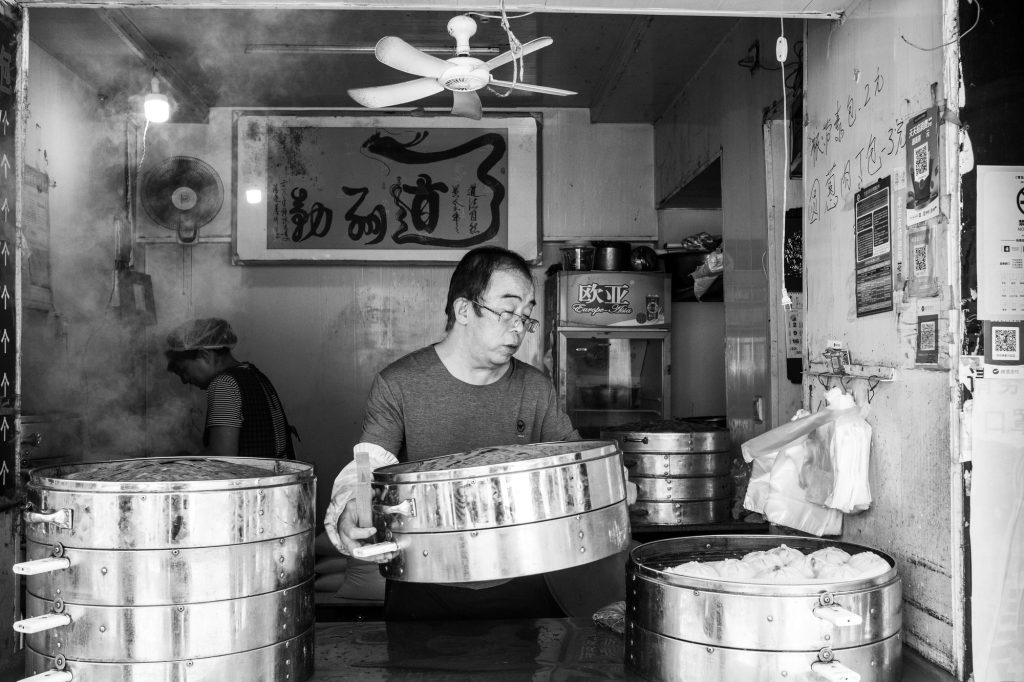
Why baozi is the calmest Chinese breakfast to learn first
Baozi (包子) — steamed buns with a soft wheat wrapper and a savoury or sweet filling — are one of the most forgiving classic Chinese breakfasts for foreign visitors. You see them in neighbourhood steam shops, hotel buffets, train-station counters, and market lanes from Beijing to Guangzhou. You do not need chopstick mastery, spice bravado, or a long QR-menu negotiation. You need a few filling words, a clear soup-versus-dry choice, and the habit of eating while the bun is still hot.
Early autumn 2026 is a friendly practice window. Mid-Autumn Festival falls on Friday 25 September 2026 (short holiday roughly 25–27 September), with a makeup workday on Sunday 20 September. National Day Golden Week runs roughly 1–7 October 2026, with a makeup workday on Saturday 10 October. Breakfast lines thicken on holiday mornings and on the Sunday makeup workday, so a slightly earlier start keeps the experience calm. If your trip straddles both holidays, skim Golden Week 2026 vs Mid-Autumn so you know when neighbourhood shops open late or close early.
This guide covers what baozi actually are, how fillings differ, how soup buns compare with dry breakfast buns, how shop flow works, and how to order without guesswork.
What you are actually ordering
The bun itself
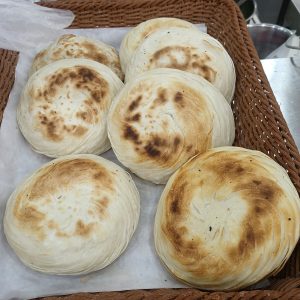
A baozi is a steamed bun made from a yeasted wheat dough. The wrapper is thicker and fluffier than a dumpling skin. Fresh pieces feel soft, slightly elastic, and warm to the touch. They are usually sold by the piece, sometimes in a small steamer basket or paper bag.
Related breakfast items often sit on the same counter:
- Mantou (馒头) — plain steamed bread with no filling
- Xiaolongbao or soup dumplings in specialised shops (different wrapper and eating method)
- Tea eggs, pickled vegetables, soy milk, and youtiao on neighbouring stalls
You can stay with two or three baozi on day one. Add soy milk or a tea egg later if you want more food without inventing a complicated order.
Fillings you will see most often
Menus vary by city, but first-timers usually meet these patterns:
1. Pork (zhūròu / 猪肉) — the default savoury choice in many shops; sometimes mixed with cabbage or chives.
2. Pork and cabbage / chives — mild, juicy, easy when you want vegetables in the bite.
3. Beef (niúròu / 牛肉) — common in northern and northwestern styles; often slightly firmer.
4. Chicken or other poultry — less universal, but useful if you avoid pork.
5. Vegetarian (sù / 素) — greens, mushrooms, eggs, or bean products depending on the shop.
6. Sweet — red bean paste, custard-style fillings, or sugar-based centres in some bakeries.
If labels are only in Chinese, photos on the glass steamer help. Pointing works. Asking “什么馅?” (what filling?) often gets a short answer or a gesture at the tray.
Soup vs dry: choosing without awkwardness
Dry breakfast baozi
Most neighbourhood morning baozi are “dry” in the sense that the filling is moist but not a burst of hot broth. You bite, chew, and continue. These are the calmest first order: less risk of scalding soup on your shirt, easier on a standing ledge, friendlier when you are carrying a backpack.
Soup-style buns and specialised shops
Some shops specialise in soup-filled buns (including xiaolongbao-style dumplings or larger soup bao). Those need a different technique: small bite first, sip or spoon the broth, then eat the rest. If the steamer looks delicate and customers are using spoons, you may have crossed from everyday breakfast baozi into a soup specialist. That is fine — just slow down.
Calm first-timer rule: order ordinary pork or vegetable baozi from a busy breakfast counter first. Save soup-burst specialists for a sit-down meal when you have time.
Street stall vs breakfast shop: reading the flow
Counter and steamer flow
At a steam shop, watch one customer ahead of you. Typical rhythm:
1. Look at the glass cases or bamboo steamers and choose fillings.
2. Say the count and filling (or point).
3. Pay by mobile wallet or cash if accepted.
4. Take the bag, tray, or basket to a stool, ledge, or small table.
5. Eat soon — steamed dough cools and firms as it sits.
Busy counters reward decisive orders. Have your words ready before you reach the front. Set up Alipay and WeChat Pay for foreign visitors before breakfast week so you are not hunting payment apps while the queue waits.
Sit-down shop and QR quirks
Some places use a short paper ticket, a wall menu with photos, or a simple counter call. Later in the day, QR ordering appears more often. If English is limited, QR menus for foreigners habits help: photograph the Chinese dish name, show staff, and confirm the filling out loud.
Sit-down spots give you chopsticks, vinegar or chilli oil on the table, and a few extra minutes. They are kinder if you are travelling with luggage or reviewing a metro map while you eat.
Useful ordering words and a sample script
Keep the script short:
- Baozi: bāozi / 包子
- Pork: zhūròu / 猪肉
- Beef: niúròu / 牛肉
- Vegetarian: sùde / 素的
- Two / three: liǎng / sān or show fingers
- To take away: dàbāo / 打包
Sample: “两个猪肉包子” — two pork baozi.
If staff ask which filling, point at the steamer window and say the number with fingers. If they ask “吃这里还是打包?”, answer “吃这里” (eat here) or “打包” (take away).
Optional table habits:
- A splash of black vinegar if available
- A little chilli oil if you already like heat
- No sauce at all if the filling is already juicy
How locals actually eat it
There is no single ritual, but these habits travel well:
- Bite from the side so steam escapes away from your face.
- Pause if the filling is hotter than the wrapper — it often is.
- Use a small plate or the paper bag as a crumb catcher.
- Eat while hot; cold baozi are edible but less pleasant.
If your baozi arrives in a sealed plastic bag, open it so steam can escape. Trapping steam makes the wrapper soggy faster than you expect.
Pairings, portions, and first-timer pacing
Two or three baozi are enough for many adults as a light breakfast. Add soy milk, a tea egg, or a small side of pickles if you have a long morning of walking or a high-speed train ahead. Avoid ordering a full second steamer “just in case” on day one; you can always buy another bun at the next shop.
Regional texture differs. Some cities favour thinner wrappers; some shops make very fluffy dough. Northern breakfast counters may lean toward larger savoury buns; southern mornings may sit baozi beside rice rolls and other local staples. Taste before drowning the bun in chilli. Hotel buffet baozi can sit under heat lamps — still fine, but neighbourhood steamers are usually better when you have time.
If you already enjoy other classic breakfasts, baozi pairs naturally with a later soy-milk morning or a noodle lunch. Keep day one simple so the order flow becomes automatic.
Timing around Mid-Autumn and Golden Week 2026
Holiday breakfasts are busy near major stations and tourist hotels. On Mid-Autumn morning (Friday 25 September 2026) and across the ~25–27 September window, family gatherings and short trips raise early foot traffic. Golden Week (~1–7 October) does the same at a larger scale. The Sunday 20 September makeup workday can also thicken weekday-style morning queues even though the calendar says Sunday.
Practical habits:
- Aim for opening time or mid-morning after the office rush.
- Keep a convenience-store steamed bun only as a last resort — the classic experience is the fresh steamer.
- If your hotel breakfast already includes baozi, use a neighbourhood shop on another morning so you still learn the order flow.
Hygiene, allergies, and calm expectations
Baozi wrappers are wheat. Fillings may include pork, beef, egg, soy products, sesame oil, or peanuts in sauces on the table. If you have gluten, meat, or other allergies, ask clearly and do not guess from colour alone. Shared tongs and trays are normal; carry hand sanitiser if that helps you feel settled.
Do not expect identical recipes city to city. “Classic” means a recognisable steamed bun with filling, not a franchise clone. A smaller, thinner bun in one city and a larger, fluffier bun in another are both real baozi.
A simple first-morning plan
1. Find a busy neighbourhood steam shop near your hotel (busy usually signals fresh turnover).
2. Watch one order.
3. Order two pork or one pork and one vegetarian baozi.
4. Pay, take a seat or ledge, and eat while warm.
5. Note the Chinese characters on your receipt or menu photo for tomorrow.
6. On morning two, try a different filling or add soy milk.
That is enough. You do not need a food-tour checklist to enjoy one of China’s most approachable breakfasts. Once the filling choice feels automatic, baozi become an easy anchor on travel days, early museum mornings, and the quieter hours before Mid-Autumn dinners or Golden Week departures.