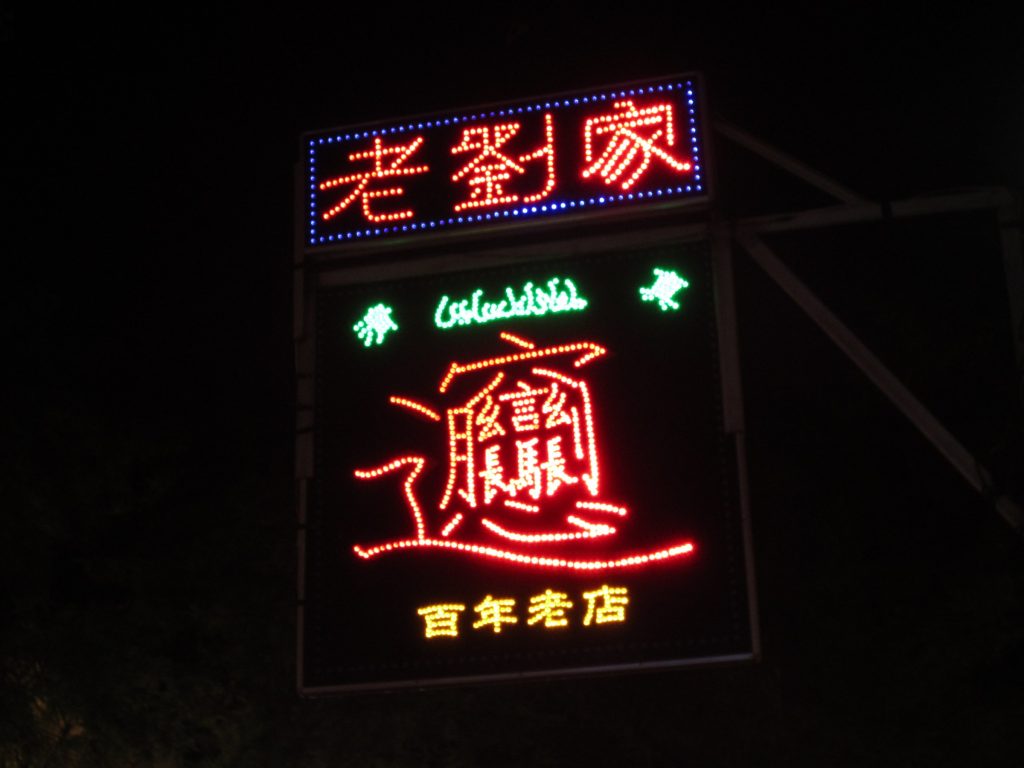
What biangbiang noodles are — and why Xi’an is the place
Biangbiang noodles are wide, hand-belted wheat noodles associated with Shaanxi cuisine and especially with Xi’an. The ribbon is broad, chewy, and built to carry chili oil, vinegar brightness, garlic, and savoury toppings. For foreign visitors, the dish looks dramatic in photos and tastes approachable if you control heat and keep the first bowl simple.
This is a calm first-timer guide: how to order, how to handle spice oil, what to pair, and how to enjoy the bowl without turning lunch into a dare. For wider city pacing while you are there, see Xi’an first visit in early autumn.
A first bowl mindset
You do not need the spiciest oil on the menu. You need:
- One classic biangbiang bowl with heat you can adjust.
- A cooling side or drink if chili oil runs ahead of you.
- Time to mix the noodles properly before judging the flavour.
- Permission to leave chili sediment at the bottom if it is too intense.
Xi’an’s food streets move quickly. A good first bowl is usually a sit-down or orderly shop stop, not a rushed walk-and-spill experiment with luggage in hand.
Ordering without stress
Words and signals that help
You may see the famous long character for “biang” on signs, or simplified menu spellings. Useful approaches:
- Point to a photo of wide noodles with chili oil if the menu is Chinese-only.
- Ask for “less spicy” / milder oil if you are heat-sensitive — gesture “a little” and point at the red oil if needed.
- Choose a standard meat or vegetable topping rather than stacking every add-on on bowl one.
If the shop uses QR ordering, keep Chinese restaurant QR menus for foreigners in mind: scan, find the noodle photo, adjust spice notes if the interface allows, and pay with a method you already set up via Alipay / WeChat Pay for foreign visitors.
What “standard” often includes
Exact toppings vary by shop, but a classic bowl often layers:
- Wide noodles as the base.
- Chili oil and aromatics (garlic, vinegar notes, sometimes fermented elements depending on house style).
- A protein or vegetable topping (options differ: meat sauces, egg, greens, or seasonal add-ins).
- Fresh herbs or scallions for lift.
You are buying texture plus oil perfume as much as “a mild wheat soup.” Biangbiang is often more coating than broth-heavy — mix thoroughly.
Spice oil: how to stay in control
Chili oil is the personality of many Xi’an noodle bowls. Practical tips:
1. Mix from the bottom so oil and vinegar distribute instead of sitting in one fiery pocket.
2. Taste a single ribbon first before declaring the bowl “too much.”
3. If heat spikes, eat noodles with more of the non-oil toppings, add rice if the shop serves it, or order a plain side.
4. Do not drink oil straight from the bowl rim as a joke — your afternoon will remember.
If you already know you struggle with chili, start milder and add heat only if the shop offers extra oil on the side. Bravery is optional; enjoyment is the goal.
Toppings and pairings for a calm meal
Smart first-timer pairings
- A mild vegetable side or cold dish to reset your palate.
- Soy milk, tea, or another non-carbonated drink you tolerate with spice.
- A shared meat dish at the table if you are dining with friends and want protein beyond the noodle topping.
- Fruit or a light dessert later — not a second ultra-spicy bowl immediately.
What to save for bowl two another day
- Extra-spicy house challenges.
- Every topping stacked at once.
- Back-to-back chili-heavy specialties without a break.
If you want another Xi’an carb chapter on a different day, keep room for dumplings, breads, or other Shaanxi snacks rather than forcing three chili oils into one afternoon.
Shop flow and etiquette
Busy noodle shops reward clear orders and compact table habits:
- Know your spice preference before you reach the counter.
- Keep bags out of waiter paths.
- Mix your own bowl when it arrives unless staff do a tableside pour.
- Return trays or leave chopsticks where locals do if it is a fast-casual format.
Lunch rush near major tourist streets can feel intense around Mid-Autumn and Golden Week travel weeks. Mid-Autumn Festival 2026 falls on Friday 25 September (holiday roughly 25–27 September; makeup workday Sunday 20 September). National Day Golden Week runs roughly 1–7 October, with a makeup workday on Saturday 10 October (国办发明电〔2025〕7号). Eat slightly early or late near those dates if you dislike standing queues. For holiday shape, skim Golden Week 2026 vs Mid-Autumn.
How biangbiang fits a Xi’an day
A gentle pattern:
1. Morning wall walk or museum block while energy is high.
2. Early lunch biangbiang bowl with controlled spice.
3. Afternoon slower sights or hotel rest — chili and walking heat do not always mix kindly.
4. Lighter dinner if lunch was large.
If you are comparing noodle styles across China trips, Lovely China also covers other regional bowls such as Lanzhou beef noodles for first-timers and dan dan noodles in Chengdu for first-timers. Biangbiang is about width and oil perfume; Lanzhou lean clearer broth; Sichuan bowls often lean mala numbness — different tools for different days.
Dietary notes without fake medical claims
- Wheat is the base — not a gluten-free dish.
- Chili oil intensity varies by shop; mild requests help but are not always precise.
- Vegetarian toppings may exist; ask clearly if you avoid meat or animal fats in sauces.
- If you have serious allergies, use translation cards and choose shops that can answer — street haste is the wrong place to guess.
Carry the snacks and medicines you already trust for travel days. Noodle adventures are happier when your kit is boring and ready.
Sample ordering script
At a photo-menu shop
Point to biangbiang photo → gesture “less spicy” if needed → confirm one topping → pay → seat → mix → taste.
At a QR-heavy shop
Scan → select wide noodles / biangbiang → set spice low-medium → pay on phone → wait for number → mix carefully.
With local friends
Let them order a classic house bowl → ask them to keep your oil milder → share a cold side → drink water between bites.
Calm first-bowl checklist
- Shop chosen for clarity (photo menu or patient staff), not only for social-media fame.
- Spice level decided before ordering.
- Payment app ready.
- Plan to mix the bowl before judging flavour.
- A cooling side or drink available.
- Time buffer so you are not eating while sprinting to a tour bus.
- Holiday crowds considered for late September–early October 2026.
- Second spicy dish postponed until tomorrow if the first bowl already sings.
Biangbiang noodles in Xi’an are at their best when the ribbon stays chewy, the oil smells fragrant instead of punishing, and you leave the table satisfied rather than scorched. Order simply, mix thoroughly, and let the wide noodle — not the chili dare — be the reason you came.