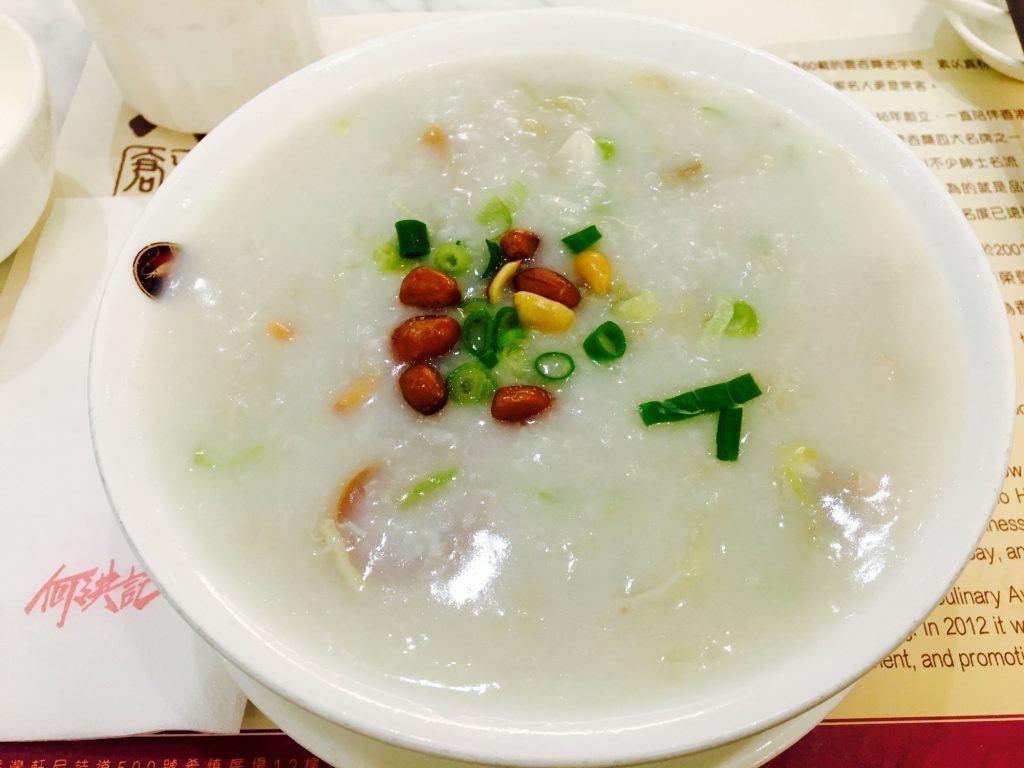
Why congee is the softest Chinese breakfast to learn first
Congee — zhōu (粥) in Mandarin — is Chinese rice porridge cooked soft with plenty of water until the grains break down into a warm, spoonable bowl. You meet it in neighbourhood breakfast shops, hotel buffets, Cantonese diners, and quiet morning stalls from Guangzhou to Beijing. For foreign visitors, it is one of the calmest classic breakfasts: mild flavours, no chopstick drama if you use a spoon, and a clear choice between plain white porridge and topped bowls.
Early autumn 2026 is a gentle practice window. Mid-Autumn Festival falls on Friday 25 September 2026 (short holiday roughly 25–27 September), with a makeup workday on Sunday 20 September. National Day Golden Week runs roughly 1–7 October 2026, with a makeup workday on Saturday 10 October. Breakfast counters get busier on holiday mornings and on the Sunday makeup workday, so an earlier start keeps ordering calm. If your trip straddles both holidays, skim Golden Week 2026 vs Mid-Autumn so you know when neighbourhood shops open late or close early.
This guide covers what congee actually is, plain versus topped bowls, how shop flow works, mild first-timer options, pairing ideas, and a short ordering script.
What you are actually ordering
The porridge itself
Chinese breakfast congee is rice simmered until soft. Texture ranges from silky and almost soup-like to thicker and grain-visible, depending on the shop and region. It is served hot in a bowl or takeaway container, usually eaten with a spoon.
Related items often sit nearby:
- Mantou or baozi on the same breakfast street
- Youtiao (fried dough sticks) for dipping
- Pickled vegetables, tea eggs, and soy milk
- Century-egg and lean-pork congee as a classic Cantonese topped bowl
You can order plain white congee on day one and add toppings later. That keeps the first decision small.
Names you will see
Menus and signs may say:
- 粥 (zhōu) — congee / porridge
- 白粥 (báizhōu) — plain white congee
- 皮蛋瘦肉粥 — century egg and lean pork congee
- 艇仔粥 — sampan / boat congee style with mixed toppings (common in Cantonese areas)
- 小米粥 — millet porridge in some northern breakfasts
Pointing at photos works when the Chinese characters feel dense. Photos of white bowls with egg pieces or shredded pork are usually topped congee, not plain.
Plain vs toppings: choosing without stress
Plain white congee
Plain báizhōu is the mildest start: warm rice porridge with little or no seasoning beyond a pinch of salt in some shops. Locals often pair it with pickles, fermented tofu, or a piece of youtiao. For first-timers with a sensitive stomach, jet lag, or spice caution, plain congee is the safest default.
Ask for plain if the counter defaults to a topped bowl. A simple “白粥” or pointing at the white-only photo is enough.
Topped congee
Toppings turn the bowl into a fuller meal. Common patterns:
1. Century egg and lean pork — the classic many visitors meet first; soft egg cubes and thin pork in the porridge.
2. Fish slices or seafood — common in southern and coastal styles; lighter protein feel.
3. Chicken or shredded poultry — mild when the broth is not heavily seasoned.
4. Mixed “sampan” style — peanuts, egg, meat, and other small toppings in one bowl.
5. Vegetable or bean curd add-ins — useful if you want less meat.
Calm first-timer rule: start plain or with century-egg-and-pork if you already like soft textures. Save heavily chilli-oil or mala-topped street versions for later.
Street stall vs sit-down shop: reading the flow
Counter and steamer-lane rhythm
At a busy breakfast counter, watch one customer ahead of you. Typical rhythm:
1. Look at the wall photos or steamed trays and choose plain or topped.
2. Say the style and whether you eat in or take away.
3. Pay by mobile wallet or cash if accepted.
4. Collect the bowl or sealed cup.
5. Eat while hot — congee cools and thickens as it sits.
Busy counters reward short orders. Have your words ready before you reach the front. Set up Alipay and WeChat Pay for foreign visitors before breakfast week so you are not hunting payment apps while the queue waits.
Sit-down diner and QR quirks
Cantonese congee houses and hotel breakfast rooms give you a spoon, maybe side dishes, and a few extra minutes. Later in the day, QR ordering appears more often. If English is limited, habits from QR menus for foreigners help: photograph the Chinese dish name, show staff, and confirm “plain” or the topping out loud.
Sit-down spots are kinder if you have luggage, a metro map open, or a travel companion who needs a calmer pace.
Useful ordering words and a sample script
Keep the script short:
- Congee / porridge: zhōu / 粥
- Plain white: báizhōu / 白粥
- Century egg and lean pork: pídàn shòuròu zhōu / 皮蛋瘦肉粥
- Not spicy: bú là / 不辣
- To take away: dàbāo / 打包
- One bowl: yī wǎn / 一碗
Sample: “一碗白粥” — one bowl of plain congee.
If staff ask about toppings, point at the photo and say “这个” (this one). If they ask “吃这里还是打包?”, answer “吃这里” (eat here) or “打包” (take away).
Optional table habits:
- A small dish of pickles on the side
- A piece of youtiao torn into the bowl
- White pepper or sesame oil only if you already like them
- No chilli on day one unless you asked for heat
How locals actually eat it
There is no single ritual, but these habits travel well:
- Use the spoon; chopsticks are for sides, not the porridge itself.
- Blow gently or wait a moment — the centre stays hotter than the rim.
- Tear youtiao into the bowl if you ordered it; let it soften slightly.
- Eat soon; cold congee is edible but less pleasant.
If your takeaway cup is sealed, open a vent so steam can escape. Trapping steam makes the surface gluey faster than you expect.
Pairings, portions, and first-timer pacing
One medium bowl is enough for many adults as a light breakfast. Add pickles, a tea egg, or a baozi if you have a long morning of walking. Avoid stacking three heavy toppings “just in case” on day one; you can always order a second small bowl nearby.
Regional texture differs. Cantonese shops often lean silky; some northern breakfasts include millet or thicker rice porridge. Hotel buffet congee can sit under heat lamps — still fine, but neighbourhood counters are usually better when you have time.
If you already enjoy other classic breakfasts, congee pairs naturally with a later baozi stop or a soy-milk morning. Keep day one simple so the order flow becomes automatic. For a steamed-bun companion guide, see baozi Chinese breakfast.
Mild options when you feel cautious
Choose mild when:
- You are jet-lagged or recovering from a long flight
- You are unsure about spice or fermented flavours
- You are introducing children to a Chinese breakfast
- You want something warm before a museum morning
Safe path: plain white congee + pickles on the side. Next step: century egg and lean pork. Later: fish or sampan-style bowls once you know the shop’s seasoning level.
If a topped bowl arrives more fragrant or salty than expected, eat from the edges first and leave heavily seasoned bits. You are not required to finish everything to be polite at a self-paid breakfast counter.
Timing around Mid-Autumn and Golden Week 2026
- Sunday 20 September 2026 (makeup workday): some breakfast streets feel more weekday-busy than a normal Sunday.
- Friday 25 September and ~25–27 September: neighbourhood shops may open later on reunion mornings; hotel breakfast remains reliable.
- ~1–7 October Golden Week: popular tourist-area breakfast lanes thicken; go earlier or stay near your hotel.
- Saturday 10 October (makeup workday after Golden Week): treat it like a weekday for office-district timing.
For open/closed expectations during the short Mid-Autumn window, keep Mid-Autumn holiday 2026 open/closed handy.
A calm first-morning plan
1. Pick a neighbourhood counter or hotel breakfast within a short walk of your stay.
2. Order plain white congee or century-egg-and-pork — one bowl only.
3. Add one side (pickles or youtiao) if you are still hungry.
4. Pay with a prepared mobile wallet.
5. Eat slowly, note what you liked, and repeat the same order tomorrow until it feels automatic.
Congee rewards patience more than bravado. Learn the plain bowl first, then let toppings become a choice rather than a guess. By the time Mid-Autumn or Golden Week crowds thicken, a quiet spoon of zhōu will feel like the easiest win of your morning.