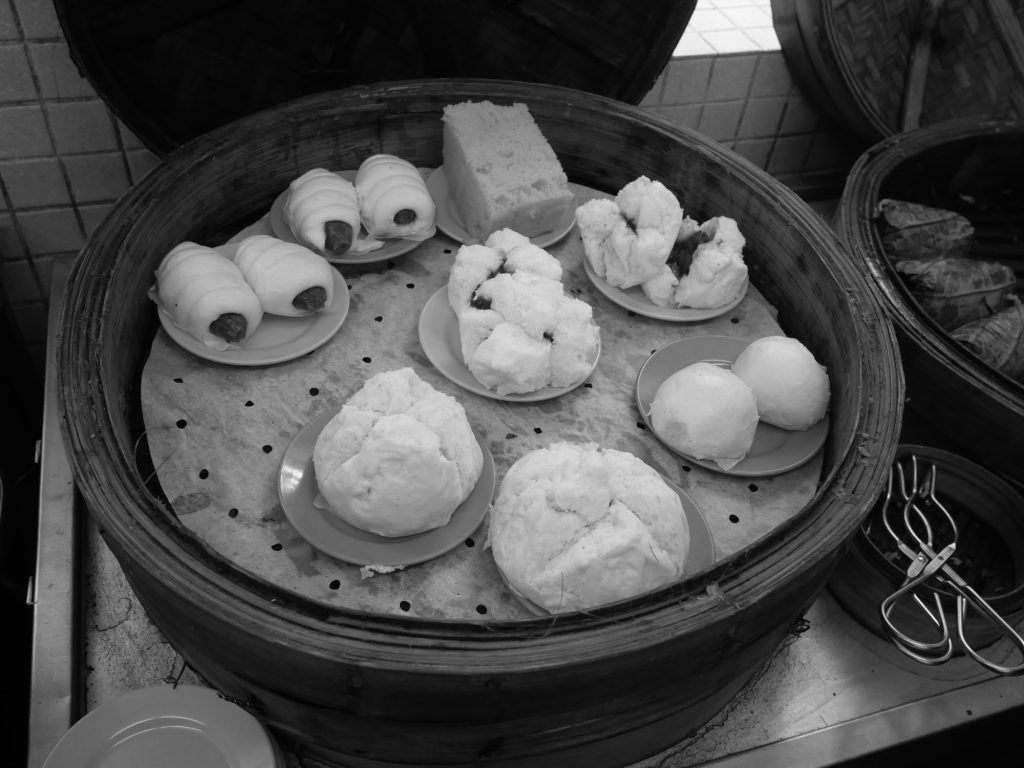
What dim sum brunch is
Cantonese dim sum (点心) is a meal of small shared plates — steamed dumplings, rice rolls, buns, meats, and tea — traditionally enjoyed late morning into afternoon. For English-speaking travellers in Guangzhou, Shenzhen, Hong Kong-style restaurants in mainland cities, or overseas Cantonese houses, it is social, paced, and easy to customise once you know a starter set of dishes.
Dim sum is not one dumpling. It is a table strategy: tea first, a few steamed items, something fried or roasted, and restraint so baskets do not bury the table.
Late September 2026 sits near Mid-Autumn (25 September) and before Golden Week (1–7 October). Weekend yum cha halls fill early — take a number, reserve if offered, or arrive near opening.
Carts, tickets, apps, and how ordering works
Classic cart service still exists in some halls: point at baskets as they pass. Many modern restaurants use paper tickets, QR codes, or apps. Neither is superior — follow the house system. If using tickets, mark quantities clearly. If using carts, wave politely; do not grab from a moving cart without eye contact.
Servers may stamp a bill card as items arrive. Keep the card dry and visible. Ask for 茶位 tea covers and understand that tea and seating customs vary by city and price level.
Tea basics without perfectionism
Order tea for the table — chrysanthemum, poulong/oolong, jasmine, or house recommendations. Pour for others before yourself when you can; someone will pour for you. Tapping the table to say thanks is a common casual custom in many Cantonese settings — optional, not an exam. Ask for hot water top-ups. Tea cuts oil and resets the palate between baskets.
A strong first-timer order set
Start with a mix like:
- Shrimp dumplings (har gow / 虾饺)
- Siu mai (烧卖)
- Char siu bao or other buns (叉烧包)
- Cheung fun / rice noodle rolls (肠粉) — see also Cantonese cheung fun guide
- A vegetable plate or steamed greens
- One crispy item (spring roll or fried dumpling) if you want contrast
Add roast meats or larger plates only after the first wave. For wonton noodles as a different Cantonese meal on another day, see Cantonese wonton noodles.
How to pace the table
Order two to four items first for two people, then more. Steamers go cold; fresh waves taste better than twelve baskets at once. Share everything. If someone needs no pork, say so before ordering — many classics are pork-based. Kids often like buns and rice rolls first.
Phrases that help
- 点心 (dian xin) / yum cha context
- 虾饺、烧卖、叉烧包、肠粉
- 少油 / 不吃内脏 if you want less oil or no offal
- 买单 (maidan) — bill
Pointing at the ticket photo grid is normal and efficient.
Payments and holiday crowds
Set up Alipay and WeChat Pay for mainland venues; card customs differ in some regions. Weekend mornings near Mid-Autumn and Golden Week mean queues. Lunch seatings can be easier than peak family yum cha rush. If you have a train after brunch, leave buffer — dim sum expands.
Common first-timer mistakes
- Ordering twenty baskets at once for two people
- Skipping tea
- Assuming every dumpling is shrimp
- Blocking aisles for photos of every steamer
- Treating cart servers as invisible
Allergies and diet notes
Wheat wrappers, shellfish, pork, peanut sauces, and sesame appear often. Soy is common. Vegetarian dim sum exists but is limited in some classic halls — ask. This is not medical advice; communicate allergies clearly before the first stamp on your card.
A calm first-timer plan
1. Arrive early or take a number on weekends.
2. Order tea and a first wave of 3–5 items for two.
3. Taste, then order a second wave.
4. Add greens; consider one sweet bun at the end.
5. Pay, walk, and nap optional — you earned it.
Dim sum vs dinner Cantonese roasts
Brunch dim sum is small plates and tea. Dinner may emphasise roast goose, seafood, and larger shared dishes. You can eat both in one trip on different days. Around Mid-Autumn, some halls sell festive items; mooncakes are a separate purchase lane from steamer baskets.
Etiquette light, not rigid
Speak at a friendly volume. Make space for carts. Finish what you order when you can; waste is noticed in busy halls. If a dish is wrong, signal quickly. Tipping norms differ from Western brunch — follow local practice for the city you are in.
Bottom line
Cantonese dim sum brunch is tea, small shared steamers, and paced ordering — best with an early arrival, a short first wave of classics, and chilli-free patience until you know the table. Learn five dishes well; the cart will teach the rest.
Sweet endings and restraint
Egg tarts, mango pudding, and sweet buns tempt at the end. Share one sweet for two people first. Sugar after savoury steamers is lovely; three desserts after twelve baskets is a nap forced upon you. Ask for the bill before fatigue orders another stamp round.
Bringing kids and mixed diets
Children often enjoy buns, rice rolls, and milder dumplings. Offal and chicken feet can wait. For no-pork diners, ask early — shrimp dumplings and vegetable items help, but cross-contact exists in busy kitchens. For gluten-free needs, dim sum is difficult; set expectations before sitting.
Business yum cha vs tourist yum cha
Business gatherings may move faster and order house signatures automatically. Tourist halls may push photo-friendly specials. In both cases, you can request classics. If clients order chicken feet and you are unsure, try a small piece or focus on other baskets without making a scene.
Connecting brunch to an autumn city day
Dim sum starts late morning; museums and parks come after. Do not book a 10:00 hike that conflicts with the only weekend seating you can get. Around Mid-Autumn week, family tables book out — have a backup noodle shop plan if the hall queue exceeds your patience.
Sweet endings and restraint
Egg tarts, mango pudding, and sweet buns tempt at the end. Share one sweet for two people first. Sugar after savoury steamers is lovely; three desserts after twelve baskets is a nap forced upon you. Ask for the bill before fatigue orders another stamp round.
Bringing kids and mixed diets
Children often enjoy buns, rice rolls, and milder dumplings. Offal and chicken feet can wait. For no-pork diners, ask early — shrimp dumplings and vegetable items help, but cross-contact exists in busy kitchens. For gluten-free needs, dim sum is difficult; set expectations before sitting.
Business yum cha vs tourist yum cha
Business gatherings may move faster and order house signatures automatically. Tourist halls may push photo-friendly specials. In both cases, you can request classics. If clients order chicken feet and you are unsure, try a small piece or focus on other baskets without making a scene.
Connecting brunch to an autumn city day
Dim sum starts late morning; museums and parks come after. Do not book a 10:00 hike that conflicts with the only weekend seating you can get. Around Mid-Autumn week, family tables book out — have a backup noodle shop plan if the hall queue exceeds your patience.