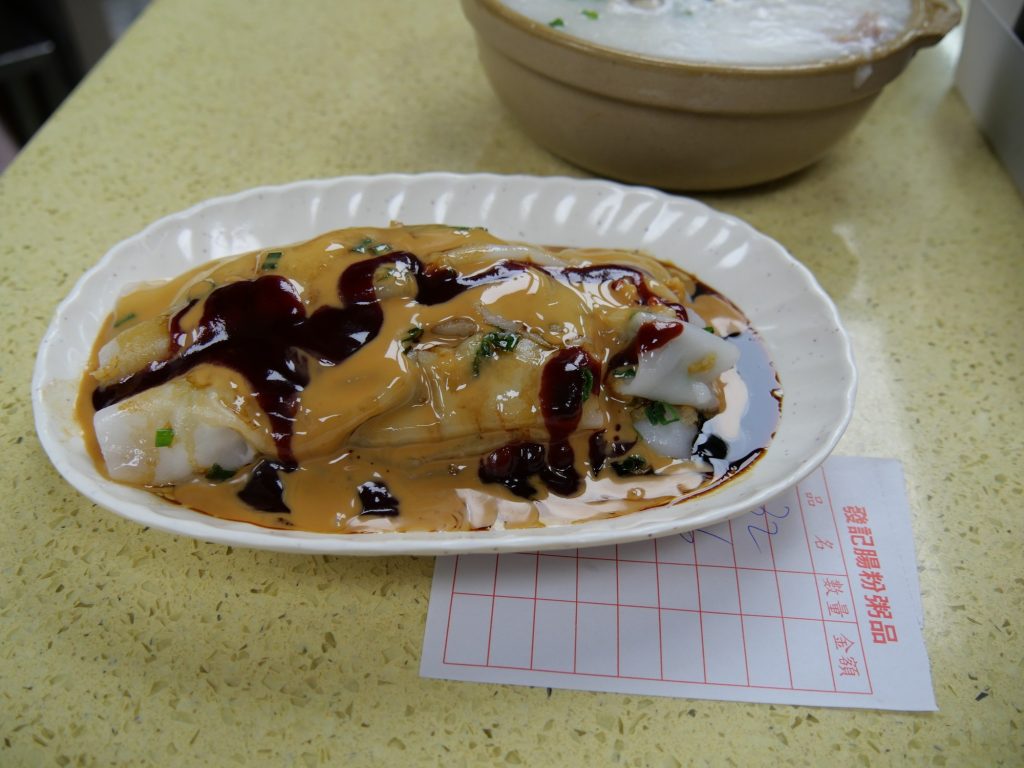
What cheung fun actually is
Cheung fun—肠粉 (chángfěn in Mandarin; chéung fán in Cantonese)—are steamed sheets of rice batter rolled around a filling or served plain, then dressed with sweet soy, sesame, scallion oil, sometimes peanut sauce, and chili. The texture should be soft, silky, and slightly elastic—not gluey bricks and not fried crunch.
English menus say “rice noodle rolls,” “steamed rice rolls,” “rice sheets,” “changfen,” or “cheung fun.” In Guangdong, Hong Kong, and many Malaysian/Singaporean Cantonese shops abroad, the Cantonese name dominates; in mainland Mandarin contexts you will also see 肠粉. Photograph the characters when translations wobble—see reading Chinese menus with photo translation apps.
This guide is for travelers and expats ordering a first plate in China: which filling to pick, how sauces work, dim sum parlour vs street steam tray, and what to drink with it.
Why first-timers should try it
Cheung fun is one of the gentlest entries into Cantonese food: warm, mild, customizable heat, and friendly at breakfast or yum cha. It is less intimidating than a full roast-meat display and lighter than fried dim sum trays. If your group includes chili-avoiders and adventurous eaters, chili on the side solves both.
It also pairs naturally with other Cantonese firsts—wonton noodles, claypot rice, or dim sum in Guangzhou—without demanding a huge appetite.
Dim sum parlour vs breakfast stall
Yum cha / dim sum restaurants: Cheung fun arrives as a shared plate among baskets. Fillings often include shrimp (虾肠), beef (牛肉肠), barbecued pork (叉烧肠), or plain (白肠 / 斋肠 styles vary). Sauce is usually light sweet soy poured at the table or in the kitchen.
Dedicated cheung fun / rice-roll shops: Fresh sheets pulled from steam trays, often with more sauce personality—peanut, sesame, fried shallot, chili. Common for breakfast and late-night in Guangdong cities.
Hotel buffets and mall food courts: Convenient, sometimes thicker sheets. Fine for a safe first try; chase a busy specialist if texture feels dull.
Watch steam: shops that pull fresh rolls for each order beat trays that sat under lamps.
Fillings: what to order first
Safe first orders:
- 虾肠粉 — shrimp rice rolls (classic dim sum; check shellfish allergies)
- 牛肉肠粉 — beef rice rolls
- 叉烧肠粉 — char siu pork rice rolls (sweet-savory pork)
- 白肠粉 / 净肠粉 — plain rolls (sauce becomes the star)
Less common but available: egg, mushroom, vegetable mixes, or crispy dough stick rolled inside (炸两 related ideas in some cities—ask before assuming).
If you are unsure, plain or beef is a calm start; shrimp is the prestige dim sum order when you eat seafood.
Prices vary by filling and venue—read the menu card, do not rely on memorized tourist numbers.
Sauces, spice, and how “hot” it is
Cheung fun is not inherently spicy. Heat is optional chili sauce or oil on the side. The baseline flavors are sweet soy, sesame, scallion, and sometimes peanut.
Useful asks:
- 不要辣 — no spicy
- 辣椒分开 — chili separate
- 少酱 / 酱少一点 — less sauce (if you dislike sweet soy pools)
- 花生酱 — peanut sauce (confirm if you have peanut allergy)
- 芝麻酱 — sesame paste/sauce
Allergies matter here: peanut and sesame are common. Ask clearly—有花生吗? / 有芝麻吗?
Taste before spooning extra chili. Table chili in Cantonese shops can be fragrant and hotter than it looks.
How to order (script and portion)
In dim sum, cheung fun is one plate among many—order one plate for two people to start, then repeat if loved. In a breakfast stall, one roll set can be a solo meal with soy milk or tea.
QR ordering is common in mainland parlours; paper tickets and shouting remain in some Hong Kong and Guangzhou old shops. See QR menus for foreigners.
Calm script:
1. Choose filling (shrimp / beef / plain).
2. Say 肠粉 or point at the photo.
3. Request 辣椒分开 if unsure about heat.
4. Order tea (dim sum) or soy milk (breakfast stall).
5. Eat with chopsticks; cut gently if the roll is long—do not fling sauce.
Pocket Mandarin line: 一份虾肠粉,辣椒分开。
In Cantonese-heavy rooms, staff may still understand Mandarin or the menu photo. Pointing remains undefeated.
Payment: QR in most mainland venues—set up Alipay / WeChat Pay. Hong Kong shops may prefer local pay methods or cards—follow the cashier.
What to drink and what to eat with it
Tea is the dim sum default—ask for jasmine or the house mix if you do not have a preference. Soy milk or milk tea appears in casual breakfast settings. Save heavy soft drinks if you want to taste the sweet soy.
Companions:
- Other dim sum baskets (siu mai, har gow) at yum cha
- Congee for a soft breakfast duo
- Roast meats on rice for a heartier Cantonese lunch—see char siu / siu yuk guide
- Wonton noodles if you want a soup-and-roll contrast
Do not order five heavy fried items plus cheung fun for a first solo breakfast unless you are truly starving; the rice sheets fill quietly.
Regional notes
Guangzhou / Guangdong: Cheung fun is everyday comfort—stalls and tea houses both shine. Hong Kong: Dim sum carts and specialist shops; English menus more common in tourist zones. Mainland cities outside Guangdong: “Guangdong rice rolls” shops appear in malls; quality varies. Malaysia/Singapore-style sauces with sweet dark soy and fried shallots influence some overseas Cantonese shops you may already know—China versions can be lighter or different; judge each shop on its own steam tray.
Southwest Chinese “rice rolls” or other regional steamed sheets may share a family resemblance but different batter and sauce logic—check you ordered Cantonese 肠粉 if that is what you want.
Texture tips and etiquette
Good cheung fun should stretch slightly and cut cleanly. If it is paste-thick and gummy, the batter ratio or holding time failed—try another shop rather than deciding you “hate rice rolls.”
At yum cha, sharing is normal; take a piece to your plate rather than eating directly from the shared dish if you are with new colleagues who prefer that hygiene custom. Do not tip in ordinary mainland restaurants; Hong Kong practices vary by venue type—follow local cues.
Steam trays are hot—keep phones and sleeves clear. Leftovers refrigerate poorly compared with fresh steam; order modestly.
For street-adjacent stalls, use ordinary caution—see street food safety for the first month.
Common first-timer mistakes
- Expecting fried crunch (that is a different snack universe)
- Dumping chili before tasting the sweet soy balance
- Ignoring peanut sauce when you have allergies
- Ordering only shrimp when someone at the table cannot eat shellfish—confirm fillings
- Calling all rice sheets “noodles” and ending up with a soup noodle instead—show 肠粉
- Visiting only a lukewarm buffet tray and giving up on the genre
Allergies and diet notes
Rice batter is usually rice-based (often with starch). Sauces may include soy (wheat), sesame, and peanut. Shrimp and other seafood fillings are common—cross-contact possible on shared steam trays. Plain rolls are the easier vegetarian path, but ask whether broth-based sauces or lard appear in house dressings; many shops can clarify if you ask simply.
Gluten can still appear via soy sauce—even when the sheet itself is rice.
A calm first-timer plan
1. Try cheung fun at a busy dim sum lunch or a specialist breakfast stall—pick one format per meal.
2. Order 牛肉肠粉 or 虾肠粉 (if seafood is fine) with chili separate.
3. Drink tea; share the plate.
4. Note whether you prefer light sweet soy or peanut-heavy styles for next time.
5. Add wonton noodles or roast meats on a different day rather than crushing one sitting.
If you are building a Cantonese week, space rice rolls, claypot rice, and roast meats across meals—you will taste more and waste less.
Bottom line
Cantonese cheung fun is silky steamed rice noodle rolls with sweet soy and optional chili—gentle, flexible, and easy to order once you know filling names. Start with beef, shrimp, or plain, keep chili on the side, watch for peanut/sesame, and chase fresh steam over buffet lamps. It is one of the kindest first Cantonese dishes you can share with mixed appetites in China.