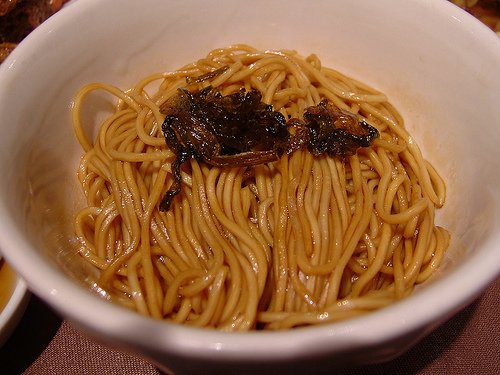
What cong you mian is
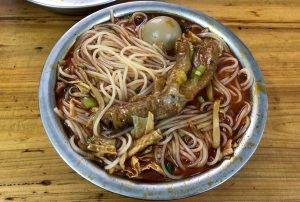
Shanghai scallion oil noodles — cong you mian / 葱油面 — are wheat noodles tossed with deeply fragrant scallion oil, soy sauce, and a touch of sweetness. They look simple. They are not bland when made well: the oil should smell of slow-fried spring onion, the noodles should have bite, and the seasoning should coat rather than drown.
This is comfort food and breakfast-to-lunch staple more than banquet theatre. For English-speaking travellers and expats in Shanghai, it is one of the kindest first local noodle bowls — milder than Sichuan mala, less ritual than Peking duck, and easy to finish before a museum.
It is related to but not identical to scallion pancakes (葱油饼). If you want pancakes, see separate guides; here we stay with the noodle bowl.
How to order
Show 葱油面 or “cong you mian.” Ask if toppings are included: some bowls arrive plain with oil and soy; others add minced pork, egg, greens, or dried shrimp. Start classic. If you need less sweet or less salty, say so — house styles vary.
Busy breakfast shops and old-fashioned noodle rooms are better teachers than random tourist plazas. Turnover keeps noodles springy. Set up Alipay and WeChat Pay. Tipping is not expected.
Taste and texture
Expect savoury-sweet soy, allium fragrance, and slick coating on springy noodles. If the bowl tastes only of salt and grease without scallion perfume, the oil was rushed — try another shop. If noodles are mush, they sat too long. Stir gently before eating so oil distributes.
Chili is usually optional or absent. This is not a heat challenge dish. That makes it ideal before a long walk or for spice-sensitive travellers exploring Shanghai food.
When to eat it
Breakfast and lunch are classic. Late-night bowls exist near some neighbourhoods. Around Mid-Autumn and Golden Week 2026, station and mall noodle counters queue — order, step aside, eat. If you want a heavier Shanghai celebration meal, save shengjianbao or a banquet for another slot; cong you mian can be the calm everyday bowl that keeps you functional.
Pairings without overload
A side of greens, tofu, or a small soup keeps the meal balanced. Pairing with another oily fried snack immediately can feel heavy. Tea or soy milk works. Fruit later is a kinder dessert than more fried dough.
Common mistakes
- Expecting fiery spice
- Judging the dish by a lukewarm tourist-stall bowl
- Adding too much vinegar or chilli before tasting the scallion oil
- Ordering an extralarge bowl before a tight museum timed entry
- Confusing it with scallion pancake ordering at the same counter
Allergies and diet
Wheat noodles are standard. Soy sauce brings soy and often wheat. Scallion oil is allium-based; dried shrimp toppings appear in some versions — ask. Vegetarian versions exist when no meat topping or shrimp is used; confirm broth/oil additives if you are strict. Sesame may appear in some houses.
Street safety and shop cues
Ordinary caution applies: busy shops, clean bowls, and hot-cooked noodles. See street food safety for the first month. If a bowl sits waiting under a lamp, choose made-to-order.
A calm first-timer plan
1. Find a busy breakfast or lunch noodle shop.
2. Order classic cong you mian; add one green side if hungry.
3. Taste before doctoring with chilli or vinegar.
4. Eat while noodles still bounce.
5. Walk it off along a tree-lined street — Shanghai autumn is made for that.
Neighbourhood pacing in late September
If you are in Shanghai between Mid-Autumn and Golden Week, use cong you mian as a fast fuel before garden visits or Bund walks rather than a two-hour restaurant project. On makeup workdays and rush hours, shops near offices densify — neighbourhood spots one metro stop away are often calmer. For longer autumn packing if you continue travelling, see China autumn packing list October–November 2026.
Homemade vs shop — what travellers should know
Food blogs love DIY scallion oil. As a visitor, you do not need to cook it to understand it. Shop versions teach the fragrance benchmark. If you live in China longer, learning to fry scallions slowly until golden (not burnt) becomes a home skill — but that is a different article. First trip: order the bowl.
Bottom line
Shanghai cong you mian is fragrant scallion oil on springy noodles — simple, savoury-sweet, and first-timer friendly. Choose busy shops, taste before adding heat, and let it be everyday comfort rather than a checklist trophy. It is one of the easiest Shanghai bowls to love quickly.
How it compares to other Shanghai noodle comfort
Shanghai also offers soup noodles, spicy crab-flavoured trends, and heavier meat toppings. Cong you mian stays on the gentle end. If you tried shengjianbao and want something less rich the next morning, this is the reset bowl. If you came from Sichuan trips eating mapo and dandan, the mildness may surprise you — that is the point.
Ordering scripts you can show on your phone
- 葱油面 — cong you mian
- 不要辣 — no chilli
- 少油 — less oil (if you are sensitive)
- 加青菜 — add greens
Speak slowly or show the characters. Staff in neighbourhood shops may not have English menus; pointing works.
Leftovers and takeaway
Noodles soften quickly. Eat in. Takeaway is possible but texture drops. If you must carry, eat within a short window and do not leave bags in a hot hotel room for hours.
Scallion oil quality: the make-or-break detail
The best bowls smell of slow-cooked scallion before you taste salt. Shops that burn the scallion produce bitterness; shops that undercook produce raw onion notes without sweetness. You cannot fix bad oil with vinegar. If the fragrance is missing, change shops next time rather than adding chilli to distract yourself.
Some modern cafes reinterpret cong you mian with fancy toppings. Fun, optional, secondary. Learn the plain bowl first.
Breakfast lines and office mornings
On weekday mornings, office workers move quickly. Have your order phrase ready, pay efficiently, and eat without occupying a four-top alone if the shop is slammed — share tables when invited by the layout. On Sunday late September tourist days, lines move slower; use that time to decide whether you want an egg topping.
Kid-friendly and spice-free travellers
This dish is naturally kid-friendlier than mala. Still watch temperature — noodle bowls arrive hot. Split a large portion if needed. For travellers avoiding soy, this dish is harder; discuss alternatives like plain rice sets in other restaurants.
Connecting to a Shanghai autumn weekend
After noodles, walk tree-lined streets or a park loop. Oil-heavy meals sit better with movement. If rain arrives, museums and malls absorb the afternoon without ruining the day. Keep hotel registration and metro cards sorted so lunch stays leisurely.
Bottom line reminder for Golden Week visitors
When Shanghai densifies in early October, a calm noodle lunch keeps plans flexible. Book big dinners separately; keep cong you mian as your reliable midday friend.