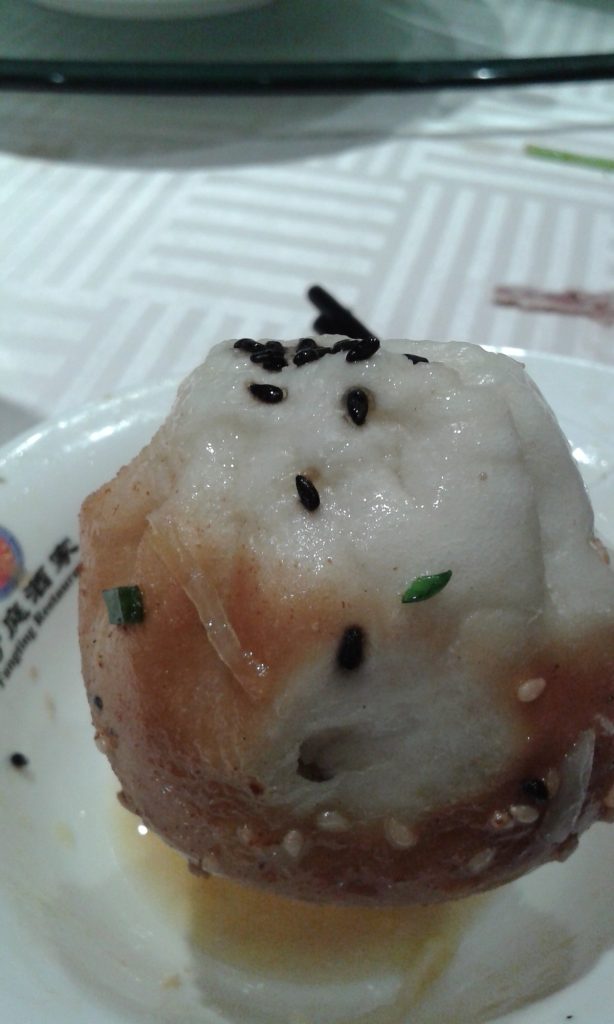
What shengjianbao actually is
Shengjianbao—生煎包 (shēngjiānbāo), also called 生煎馒头 (shēngjiān mántou)—are Shanghai’s pan-fried pork buns: yeasted dough, juicy pork filling with melted aspic soup inside, crisp golden bottoms, and soft, sesame-and-scallion tops. Shops fry a batch in a wide flat pan, add a little water, cover to steam, then uncover so the bottoms crackle again.
English signs may say “pan-fried buns,” “shanghai pan fried pork buns,” “shengjian,” or “fried soup buns.” The characters 生煎包 or 生煎 are what locals look for. Photograph them if needed—see reading Chinese menus with photo translation apps.
This guide focuses on first-timer field habits in Shanghai and other Chinese cities: how many to order, which shop formats you will meet, sauces, timing, and how not to burn your mouth. For a deeper bun-vs-dumpling comparison, you can also skim our earlier shengjianbao in Shanghai overview and how to eat xiaolongbao.
Why they matter on a first Shanghai food day
Shengjianbao are a breakfast and anytime snack, not a formal banquet dish. They are faster and sturdier than delicate xiaolongbao, cheaper per piece in many neighborhood shops, and easy to share while standing or perched on a stool. If your only “Shanghai bun” experience is a tourist soup-dumpling set menu, you have missed the city’s everyday pan-fried rhythm.
They also teach a useful skill: hot liquid inside fried dough. The soup is a feature, not a leak. Treat the first bite like a safety brief, not a dare.
Shengjianbao vs xiaolongbao (quick remap)
Shengjianbao: yeasted bun-like dough; pan-fried then steamed in the same pan; crisp golden bottom; snack counters and breakfast shops; fast batch cooking.
Xiaolongbao: thin dumpling skin; steamed in bamboo baskets; soft all around; dumpling restaurants and chains; basket timing.
If you want spoon-and-nibble elegance, order xiaolongbao. If you want crisp bottoms and a standing breakfast, order shengjian. Ordering the wrong craving is the most common first-week mix-up—menus sometimes list both.
Shop types you will actually see
Window / street-front pans: Watch the cook flip a giant pan of buns; buy by the piece or by the liang (weight unit in some older shops). Standing room only. Ideal for first timers who want to see the craft.
Sit-down snack shops: Tray service, vinegar and chili on the table, soy milk on the menu. Slightly calmer for luggage days.
Mall or chain counters: English photos, fixed set prices, predictable hours. Useful when jet-lagged; sometimes less crisp than a busy neighborhood pan.
Hotels and tourist strips: Convenient, often pricier, variable quality. Fine for a safe first try; chase a busy local pan on day two.
Turnover matters more than décor. A crowded morning pan with constant batches usually beats an empty afternoon display under a heat lamp.
How many to order (and what else)
For a first solo breakfast, start with four to six buns if they are standard Shanghai size—enough to learn the soup technique without waste. Hungry eaters or larger “jumbo” buns change the math; watch what the person ahead of you carries away.
For two people, a shared dozen is a common opening order if buns are small; add or cancel after the first tray. Do not invent a fixed yuan budget from a blog—boards and screens show the live price.
Useful add-ons:
- 豆浆 — soy milk (sweet or savory; ask 甜的 / 咸的)
- 醋 — black vinegar at the table
- 辣椒 — chili sauce or oil (optional; easy to overdo)
Youtiao (fried dough sticks) are a different breakfast item; do not assume every shengjian shop sells them. Egg pancakes and rice rolls belong to other stalls—see also jianbing breakfast notes if you are building a broader morning crawl.
How to eat without scorching your mouth
1. Let the bun sit 30–60 seconds if it just left the pan.
2. Bite a small corner of the top or side—not a giant chomp through the bottom crust first.
3. Sip or let soup flow into a spoon if the shop gives one; many people simply tilt and sip from the bun.
4. Then eat the rest, crisp bottom last or first depending on preference—just do not vacuum the soup blindly.
Sesame seeds and scallions on top are normal. A little vinegar brightens the pork; drowning the bun in chili oil hides the juice you came for.
If soup squirts on your shirt, you are in a long tradition of first-timers. Lean forward over the tray.
Ordering script and menu words
Point at the pan and show a number on your fingers, or say:
- 要六个生煎 — six shengjian
- 生煎包,四个 — four pan-fried buns
- 现做的吗? — are these freshly made? (useful if a tray looks tired)
- 有猪肉的吗? — do you have pork? (default is usually pork)
- 有没有素的? — any vegetarian? (many shops say no)
QR ordering appears in sit-down spots; photo tiles help. For QR habits generally, see Chinese restaurant QR menus for foreigners.
Pocket line: 六个生煎,一碗豆浆。
Payment is typically QR—keep Alipay / WeChat Pay for visitors set up before peak breakfast queues.
Spice, sauces, and “is it spicy?”
Shengjianbao are not a spicy dish by default. Heat is optional table chili. The filling is savory pork, ginger, and scallion, with gelatin soup melted inside. If you dislike chili, ignore the red sauce. If you like heat, dab—do not soak—unless you already know the brand’s chili level.
Black vinegar is the classic brightener. Soy sauce is less central than for dumplings in some northern habits; follow what locals pour.
Regional notes: Shanghai vs elsewhere
In Shanghai, shengjianbao are a city signature with endless neighborhood arguments about which pan is best—skip the argument on day one and choose busy + fresh. In other Chinese cities, “Shanghai shengjian” shops appear in malls and snack streets; quality varies. In Guangdong / Hong Kong, you may see pan-fried buns inspired by the style beside dim sum culture—related, not identical to a Shanghai breakfast counter.
If you are hunting soup dumplings outside Shanghai instead, see ordering soup dumplings outside Shanghai.
Timing, hygiene judgment, and practical tips
Best windows: morning through late morning, and again when a shop fires fresh evening batches. Mid-afternoon trays can sit. Watch whether new pans are coming off the stove.
Hygiene judgment for first-month street snacks: busy pans, clean-ish trays, gloves or tools for serving—see street food safety for your first month. Sit-down shops with washable plates are the lower-stress first try if you are nervous.
Etiquette: queues are normal; have your order number ready. Do not tip. Sharing from a paper bag on a sidewalk stool is fine. Taking photos of the pan is usually tolerated if you do not block service.
Leftover cold shengjianbao lose their magic; order what you will finish hot. Reheating in a dry pan works better than microwave sogginess if you somehow take extras back to a kitchen—but first-timers should eat them on site.
Common first-timer mistakes
- Confusing them with xiaolongbao and expecting a bamboo basket
- Biting like a plain bread roll and spraying soup
- Ordering twenty before tasting size and richness
- Visiting only a dead tourist stall with lukewarm bottoms
- Skipping vinegar entirely, then calling the filling “flat”
- Assuming every pan-fried bun abroad labeled “Shanghai” matches a neighborhood Shanghai pan
Allergies and diet notes
Default filling is pork. Some shops offer chicken, shrimp, or mixed seafood—ask and do not assume. Aspic is traditionally pork-skin based. Vegetarian versions exist in a minority of shops; many cannot produce a true soup bun without animal gelatin. Sesame seeds top many batches—flag sesame allergies (有芝麻). Gluten is in the dough—there is no classic gluten-free shengjianbao.
Shellfish cross-contact is possible in shops that also fry shrimp versions on shared equipment.
A calm first-timer morning plan
1. Pick a busy neighborhood pan near where you already are (not a long metro quest before coffee).
2. Order four to six buns + soy milk.
3. Photograph the Chinese name for next time.
4. Eat with vinegar; add chili only after the first bun.
5. If you love them, return for a second shop later in the trip instead of over-ordering once.
Pair the morning with a park walk or a later, lighter lunch. If dinner plans include hairy crab season later in autumn, keep breakfast protein reasonable—see Shanghai hairy crab season notes when timing overlaps.
Bottom line
Shanghai shengjianbao reward patience on the first bite and curiosity about busy pans. Order a modest count, protect your shirt from the soup, use vinegar thoughtfully, and treat crisp bottoms as the point of the genre. Once you can eat one calmly, you have unlocked one of the city’s most repeatable everyday pleasures—far beyond a single tourist dumpling reservation.