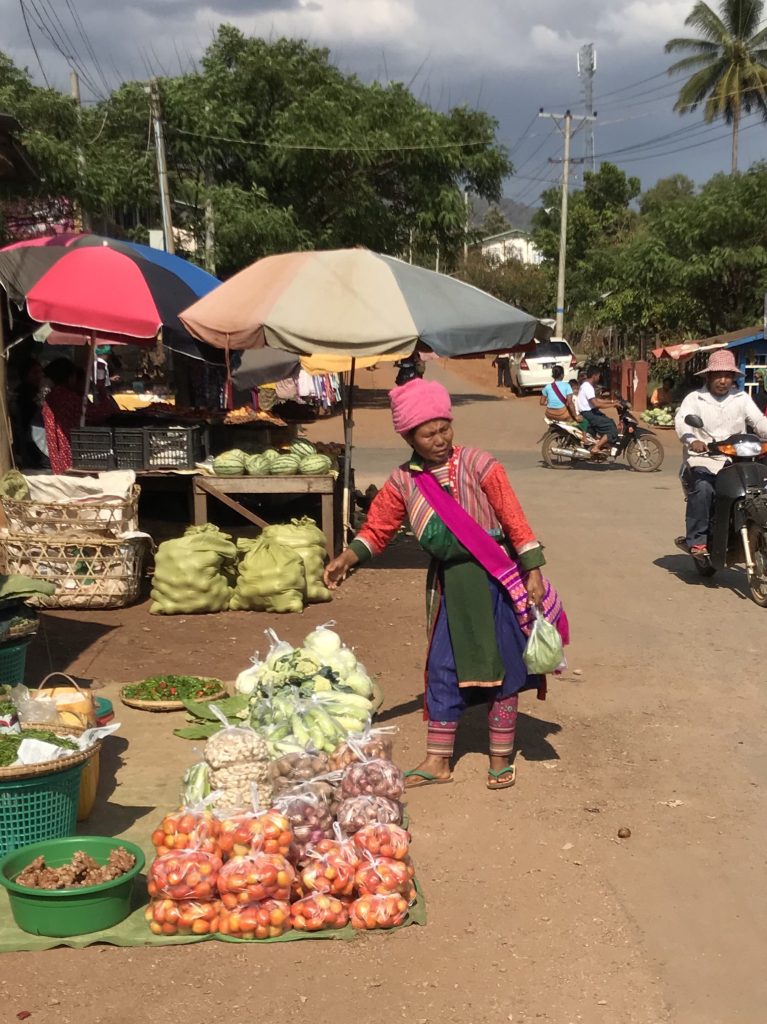
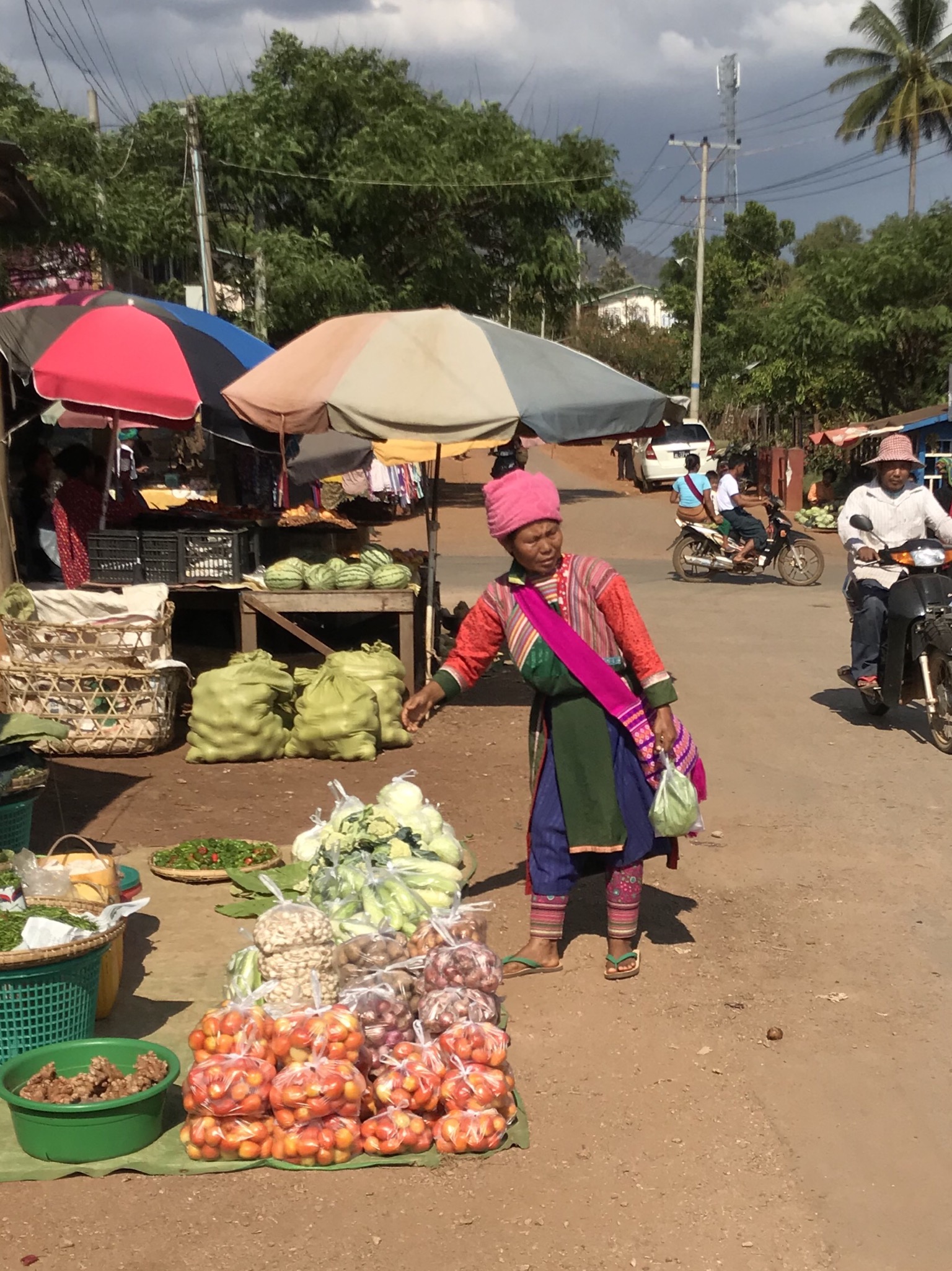
The minibus coughs to a halt on a hairpin bend above the Nu River. Mist clings to the cornfields terraced into the slope, and a woman in a indigo headscarf waves us down from a wooden gate. She is not waiting for tourists. She is waiting for her son, who has walked three hours from the county middle school. When the boy appears, she slings his backpack over her own shoulder and turns toward a cluster of stilt houses roofed with split bamboo. No signboard marks the village. No ticket booth. Just the smell of woodsmoke and fermenting bean paste drifting from a fire pit.
Finding the villages
Lisu communities in China cluster along the Nujiang and Lancang river valleys in northwest Yunnan, with smaller pockets across the border in Sichuan. The largest concentrations sit in Fugong, Gongshan, and Lanping counties. Reaching them usually means a long ride from Liuku or Shangri-La on roads that hug cliff faces. Public buses run on a loose schedule; drivers leave when the seats fill. If you rely on a hired car, confirm the driver knows the village name in Lisu — many hamlets share the same Mandarin label but sit on opposite ridges.
Once you arrive, do not expect a reception desk. Most families live in two-story wooden houses raised on stilts. The ground floor shelters pigs and firewood; the upper floor holds the hearth, sleeping mats, and an altar for ancestors. Guests sleep on the floor beside the fire. Bring a sleeping bag liner. The host will offer a bowl of maize liquor before you settle in. Drink a sip. Refusing outright signals disrespect.
Festival rhythm
The calendar turns on two major gatherings. The Sword Pole Festival falls on the eighth day of the first lunar month. Men climb a ladder of thirty-seven sharpened blades barefoot, cheered by crowds circling a square. The Knife Ladder is not a performance for outsiders; it is a vow to the mountain spirits. If you attend, stand at the back. Do not step into the cleared space. Do not point cameras at the climbers’ faces while they ascend.
The Kuoshi Festival, the Lisu New Year, arrives in the tenth lunar month after the harvest. Villages slaughter pigs, pound glutinous rice into cakes, and brew vats of corn wine. Families visit each other’s hearths for three days. On the second morning, young men and women line up on the dancing ground, singing antiphonal courtship songs. A stranger who joins the circle will be handed a cup of wine and expected to sing a line in return. Hum a tune from home. They will laugh, then teach you the chorus.
Clothing that speaks
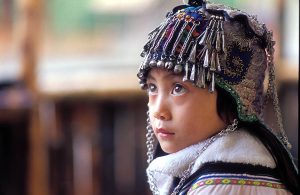
Everyday dress has largely given way to synthetic jackets and rubber boots, but festival attire still follows strict codes. Women of the Flowery Lisu subgroup wear jackets stitched with hundreds of tiny cloth triangles — red, yellow, blue, green — each cut and sewn by hand. A single jacket can take a winter to finish. The headdress is a coiled band of black fabric wrapped with silver chains and coral beads. Married women add a silver pendant shaped like a pipa lute; unmarried girls leave the pendant off.
Men’s formal wear is simpler: a black turban, a short indigo jacket with copper buttons, and a long knife sheath at the waist. The knife is not decorative. It is used for slaughtering, carving chopsticks, and settling disputes. If a host offers to show you his blade, hold it by the scabbard. Draw it only if he nods. Return it handle first.
What arrives on the table
Meals revolve around maize, buckwheat, and whatever the forest yields. The staple is tuotuo, a thick porridge stirred with a wooden paddle until it pulls away from the pot in a single mass. It lands on a communal wooden tray. Diners pinch off pieces with three fingers, dip them in a chili-salt mix, and chase each bite with sour bamboo shoot soup.
- Maize flour — coarse, yellow, stone-ground
- Buckwheat flour — dark, nutty, mixed half-and-half for texture
- Water — spring drawn, cold
- Salt — coarse, from the Nujiang salt wells
- Dried chili — toasted and pounded
- Fermented bamboo shoots — sliced, rinsed once
- Wild greens — whatever the slope offers that morning
- Pork fat — a thumbnail cube for richness
To make tuotuo at home, bring water to a rolling boil in a heavy pot. Sprinkle the mixed flours in a thin stream while stirring clockwise with the paddle. Keep the motion steady; lumps form in seconds. When the porridge thickens to a glossy sheen, drop in the pork fat and a handful of greens. Stir three more minutes. Turn onto a wet wooden board. Let rest two minutes before cutting.
In a county-town restaurant, order “Lisu maize cake” and “bamboo shoot stew with pork belly.” The cake will arrive griddled crisp on both sides. The stew should taste of smoke, not soy sauce. If the menu lists “Lisu hot pot,” skip it. That is a Han adaptation built for tour groups.
Mistakes newcomers make
First, assuming every village welcomes drop-ins. Some hamlets close their gates during mourning periods or clan rituals. A red cloth tied across the path means stop. Wait at the gate until someone notices you. Second, photographing altars. The ancestor shelf holds bowls of rice, a rooster feather, and a snippet of the family’s first harvest cloth. Point a lens there and the host will turn away. Ask before you raise the camera.
Third, treating corn wine as a toast. The host pours a thimbleful into a bamboo cup. You drink. He refills. This repeats until the jar empties. Pace yourself. Pretending to sip and setting the cup down is noticed. Fourth, offering cash to children who sing for you. The songs are gifts. Hand a child a pen or a piece of fruit instead. Money rewrites the exchange into a transaction.
Fifth, ignoring the fire pit etiquette. The hearth is the mouth of the house. Do not step over the tripod. Do not toss trash into the flames. Do not point your feet toward the fire while sitting. When you leave, the host will press a packet of roasted maize into your bag. Eat it on the road. Throwing it away breaks the bond.
Stories that linger
An old man in Dulongjiang once told me the Lisu came from the east, chasing a white deer across the mountains. The deer leapt into the Nu River and became a white stone. The people settled where the stone landed. He spoke in Lisu, his grandson translating into Mandarin, then I wrote it in English. Three languages for one stone. The grandson shrugged. “The deer knows the way. We only follow.”
On the last night of Kuoshi, I sat beside a fire with a woman who had woven three jackets for her daughters. She pulled a silver needle from her collar and mended a tear in my sleeve without asking. “Cold wind finds holes,” she said. The needle flashed in the firelight. The corn wine jar was empty. The songs had softened to hums. I still have the sleeve. The stitch holds.