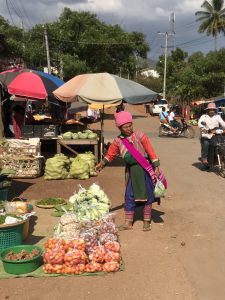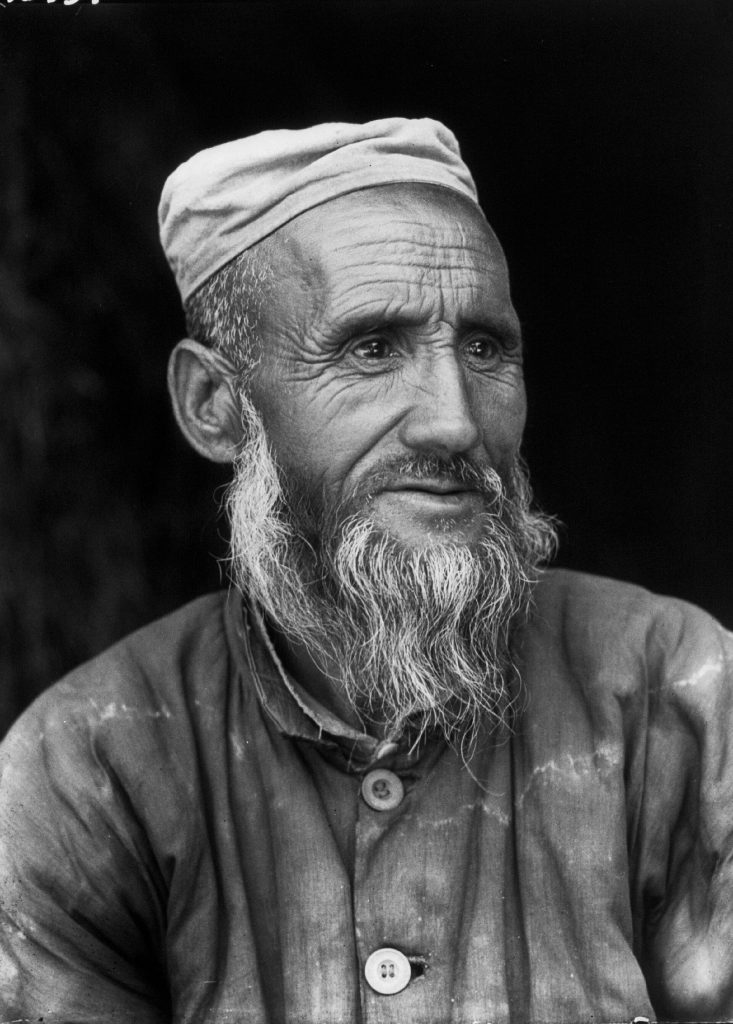
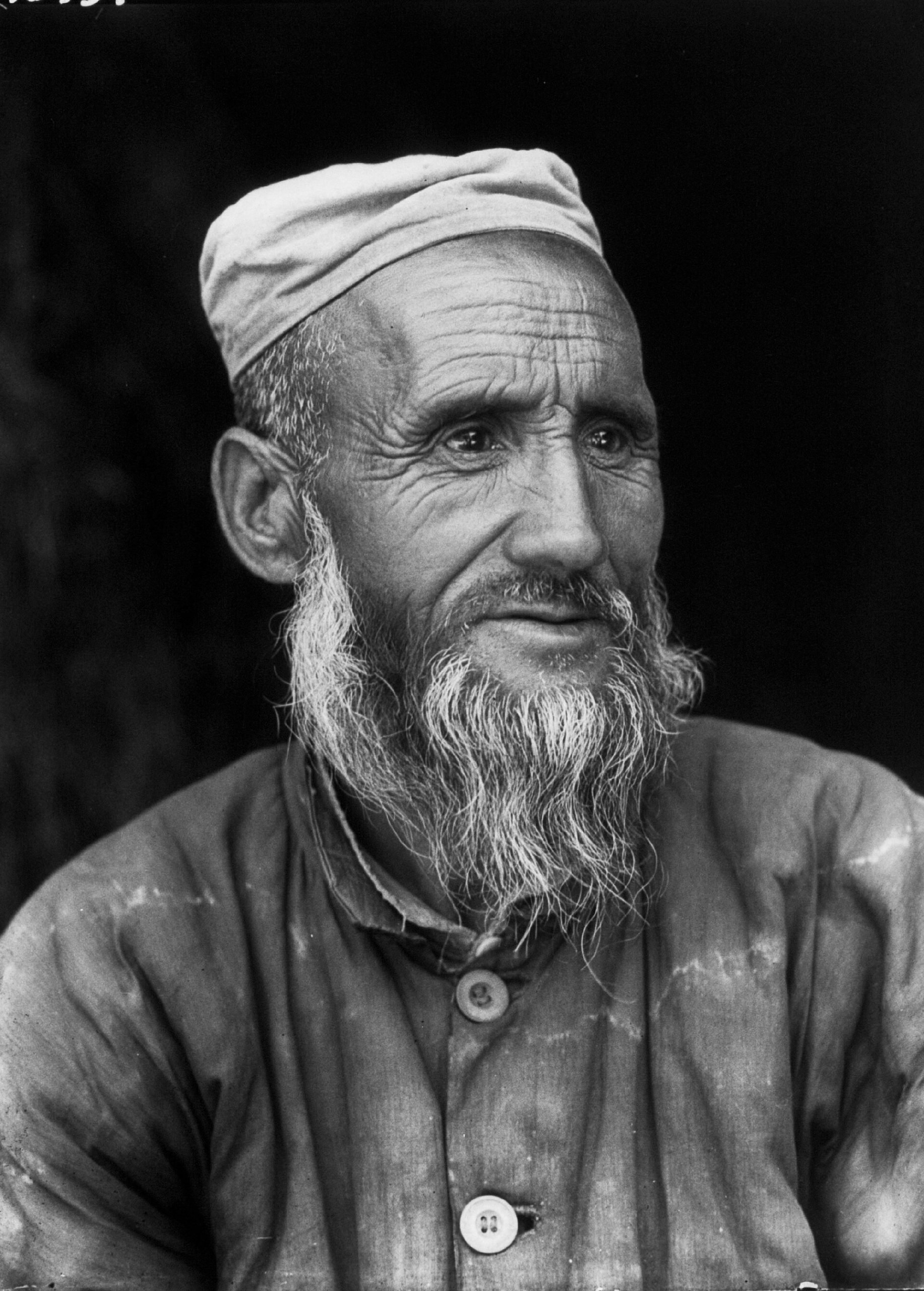
The minaret of the old mosque in Jiezi catches the first light before the apricot trees do. An imam in a white cap adjusts the loudspeaker while a donkey cart clatters past, loaded with sacks of wheat bran. Down the lane, a woman in a floral headscarf haggles over the price of dried chilies, her Salar rolling into the vendor’s Mandarin like water finding cracks in stone. This is not a museum village. It is a Tuesday morning in Xunhua Salar Autonomous County, and the rhythm here is set by irrigation schedules, prayer times, and the river that cuts the valley in two.
Where the Salar call home
Most Salar families live along the Yellow River where it swings north through eastern Qinghai and spills into southern Gansu. Xunhua County holds the largest concentration, a string of towns and hamlets tucked between loess cliffs and terraced fields. Across the water, Hualong Hui Autonomous County and Jishishan Bonan, Dongxiang and Salar Autonomous County share the same watershed. You will also find smaller pockets in the Ili Valley of northern Xinjiang, descendants of a Qing-era garrison relocation, and scattered households in Henan and Shanxi. The landscape dictates the routine: wheat and barley on the slopes, melons and vegetables in the river-bottom silt, walnut groves clinging to the steeper banks.
Language at the doorstep
Salar belongs to the Oghuz branch of Turkic, kin to Turkish and Azerbaijani, but it has spent centuries borrowing vocabulary from Tibetan, Chinese, and the Persian-Arabic loop that travels with Islam. On the street you hear a hybrid: a greeting in Arabic, a number in Mandarin, a joke’s punchline in Salar. The language has no standard written form in daily use; children learn Chinese characters at school, Arabic script at the mosque, and speak Salar at the dinner table. If you arrive knowing a few Turkish words — su for water, ekmek for bread — you will catch the skeleton of a sentence, but the flesh is entirely local. Locals do not expect fluency. A simple Sälemetsiz be? (are you peaceful?) accompanied by a slight nod of the head earns a smile and often an invitation to sit.
Guest rights and kitchen rules
Hospitality operates on a code older than the county borders. When you enter a courtyard house, the host will pour tea before you have set down your pack. The bowl arrives scalding, milky, salted, sometimes with a pinch of roasted barley flour stirred in. Drink three sips minimum; a single gulp signals you are in a rush. Meat dishes follow — braised mutton, hand-pulled noodles in clear broth, steamed buns stuffed with scallions and rendered fat. The host serves the choicest pieces to the guest; refusing them is polite once, expected twice, and offensive a third time. Women often eat separately or after the men in conservative households, though this varies by family and generation. If you are offered a bowl of qatlima (layered flatbread) torn by hand, take it with your right hand. Left hand stays on your knee.
- Tea bowl: accept with both hands, sip quietly, leave a mouthful to show satisfaction.
- Meat: wait for the host to place a piece in your bowl before starting.
- Bread: tear, don’t cut; never place it upside down on the table.
- Departure: the host walks you to the gate. Turn back once and wave; they wait until you are out of sight.
Faith woven into the day
The call to prayer structures the valley’s timetable. Shops shutter for twenty minutes at noon and again at dusk. During Ramadan, the pace shifts entirely: mornings are quiet, kitchens cold until sunset, when the air fills with the scent of frying sanzi (twisted dough crisps) and simmering mutton stew. Friday congregational prayer draws men from surrounding villages to the main mosque in Jiezi, its blue-tiled dome visible from the river road. Visitors are welcome to observe from the courtyard — remove shoes, cover shoulders and knees, stand at the rear. Photography inside the prayer hall is frowned upon; ask before pointing a lens at people performing ablution at the stone troughs. The Salar practice a Hanafi Sunni Islam infused with Sufi orders (the Khufiyya and Jahriyya have histories here). You will see older men fingering prayer beads (tasbih) while chatting on park benches, the beads clicking like a second heartbeat.
Work, seasons, and the river
Agriculture still anchors most households. In early spring, families gather on the terraces to sow wheat by hand, the seed bags slung over shoulders. Summer brings the melon harvest — honeydews the size of basketballs, stacked under poplar shade for buyers from Lanzhou and Xining. Autumn is walnut season; you hear the thud of green hulls hitting tarps before you see the trees. Winter is for maintenance: repairing irrigation canals, mending tools, preparing dung cakes for heating. The Yellow River is both highway and hazard. Ferries still cross at a few points, but most traffic uses the suspension bridges built in the 1990s. Fishermen cast nets at dawn; their catch — mostly carp and the occasional sturgeon — appears on lunch tables by noon. If you hike the river trail between Mengda and Baizhuang, you will pass solar pumps humming beside ancient water wheels, a collision of eras that feels entirely normal to the people living it.
Festivals that mark the year
Two calendars run in parallel. The Islamic festivals — Eid al-Fitr (Roza Heyt) and Eid al-Adha (Qurban Heyt) — govern the major gatherings. On Qurban Heyt, every household that can afford it slaughters a sheep. The meat divides into three: one third for the family, one third for relatives, one third for the poor. The morning starts at the mosque, then spills into courtyards where cauldrons boil, children chase each other with balloon strings, and elders distribute red-dyed eggs. The lunar new year (Spring Festival) is also observed, but with Salar accents: dumplings stuffed with mutton and caraway, couplets written in Arabic script beside Chinese characters, firecrackers lit at the courtyard gate to drive off the nian beast. The third month of the lunar calendar brings the Nadam-style horse racing on the high pasture above Jiezi. Riders as young as six gallop bareback across the turf, while spectators picnic on felt blankets, thermoses of milk tea steaming in the thin air. Dates shift each year; ask a local imam or check the county government’s WeChat account for the current schedule.
What newcomers get wrong
Assuming every Salar speaks fluent Mandarin is the first stumble. Elders in remote villages may know only a handful of phrases. Speaking loudly and slowly does not bridge the gap; a translation app or a patient young relative works better. Treating the headscarf as a costume prop — asking to try it on for a photo — reads as disrespect. The scarf signals marital status and piety; it is not a souvenir. Skipping the tea ritual because you “don’t drink dairy” misses the point: the bowl is a covenant, not a beverage. Pour it out unseen if you must, but accept the gesture. Photographing women without permission, especially inside homes, can cause genuine offense. Ask the male head of household first, then the woman herself. Finally, do not conflate Salar with Hui or Uyghur. They share religion and some vocabulary, but the Salar trace their origin to the Salur tribe of the Oghuz Turks, a distinct migration during the Tang dynasty that left its own dialect, epic songs (Yelken), and a corpus of oral history recited at weddings. Listen for the kobuz (jaw harp) at a wedding feast; its twang carries stories of Samarkand, the Pamirs, and the river that finally held them.