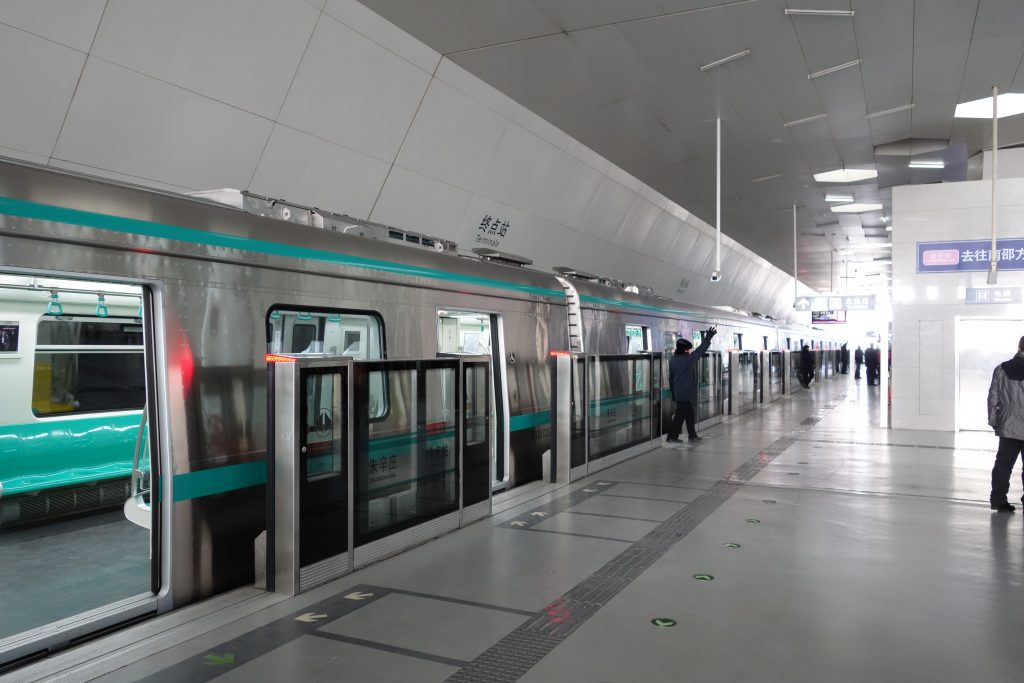
Why the Beijing subway is worth learning first
Beijing’s subway is the backbone of a calm first visit. It connects airports, railway hubs, hutong edges, museums, and hotel clusters with bilingual station names on major lines. For foreign visitors in 2026, the network feels large but readable once you understand tickets, gates, and peak timing.
Early autumn is a good practice window. Mid-Autumn Festival falls on Friday 25 September 2026 (short holiday roughly 25–27 September), with a makeup workday on Sunday 20 September. National Day Golden Week runs roughly 1–7 October 2026, with a makeup workday on Saturday 10 October. If your trip sits near either holiday, skim Golden Week 2026 vs Mid-Autumn so you know when platforms get denser.
You do not need to master every line on day one. Learn one transfer hub near your hotel, one payment method that works for you, and the habit of checking exit letters before you climb the stairs.
Tickets, cards, and mobile transit in 2026
Single-journey tickets
At many stations you can buy a single-journey ticket from machines that show English menus. Follow the on-screen map or station list, pay, and take the token or card the machine issues. Keep it until you exit — you will need it at the exit gate on many lines.
If the machine rejects your overseas card, try another payment path rather than standing in the same queue twice. Staffed windows can help when machines fail, but queues grow at rush hour and holiday eve evenings.
Mobile payments and transit QR codes
Most foreign visitors in 2026 lean on mobile wallets. Set up Alipay and WeChat Pay for foreign visitors before you rely on subway gates after a long flight. Inside the apps, look for Beijing transit or metro QR options and follow the in-app activation steps.
Practical habits:
- Screenshot a working QR code only if the app explicitly allows offline display; otherwise keep data on.
- Hold the code steady at the scanner; do not rush the gate if the light stays red.
- If one wallet fails, switch to the other or to a single ticket — do not block the lane while troubleshooting.
Stored-value options
Some visitors still use a physical transit card sold at stations or service points. Rules and foreign-passport purchase steps can change, so treat staff guidance at the window as the source of truth for your travel week. A card can feel calmer if you ride many times a day and prefer tapping over opening an app each time.
Reading stations: signs, colours, and exits
Beijing subway signage is friendlier than many first-timers expect. Line colours and numbers appear on maps and platform edges. Station names usually appear in Chinese characters and pinyin or English on major corridors.
Before you leave the platform:
1. Confirm the line number and direction (terminal station names matter).
2. Note transfer arrows early if you need to change lines.
3. Decide your exit letter while you still have map space — exits can be far apart at large hubs.
Exit letters (A, B, C, D…) matter more than “the north exit” in conversation with locals. Screenshot your hotel’s suggested exit and nearby street names. If you surface on the wrong side of a ring road or railway corridor, walking around can take longer than another short ride.
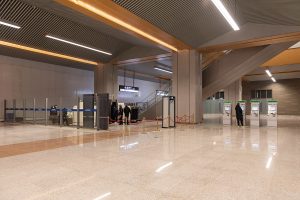
Security checks sit at station entrances. Place bags on the scanner, keep liquids accessible if asked, and move through calmly. The check is routine, not personal.
First-ride flow from street to seat
A calm first ride looks like this:
1. Enter the station and clear security.
2. Buy a ticket or open your transit QR.
3. Tap or scan at the gate; wait for green before you push.
4. Follow line colour and direction signs to the correct platform.
5. Stand behind the yellow line; let people exit first.
6. Ride, watch the next-station display, and move toward the doors one stop early if the car is busy.
7. Exit through the gate with the same ticket or scan method.
8. Match exit letters to your map before you climb long stair flights.
Carriage manners that keep you comfortable:
- Keep backpacks in front or on your lap when the car is full.
- Offer priority seats when someone needs them more.
- Avoid eating messy food; a water bottle is fine.
- Stand clear of door areas if you are not exiting next.
Peak hours, holidays, and when to shift your plan
Weekday morning and evening peaks are the densest times on core lines. Tourist-heavy stations near the city centre also swell on weekend late mornings. You do not need exact headcount data to plan: if the platform edge is already packed two persons deep, wait for the next train or walk one station along a less crowded corridor when the map allows.
Before Mid-Autumn (early–mid September): Usually a steadier practice window for first rides.
Makeup workday Sunday 20 September 2026: Treat it like a weekday for commuting density on work corridors.
Mid-Autumn short holiday (~25–27 September): Leisure stations and shopping-transfer hubs feel busier; start sightseeing rides earlier in the day.
Golden Week (~1–7 October): Expect denser platforms at famous stops and railway-linked stations. Keep itineraries shorter and avoid needless cross-city transfers at peak dinner hours.
If a station entrance is temporarily redirected, follow temporary signs rather than forcing a remembered door from a blog photo.
Transfers that confuse first-timers
Large transfer stations can involve long walks, extra security in some layouts, or split platforms. Budget time the first time you change lines at a major hub. Follow overhead transfer signs continuously — do not assume the first staircase is your only option.
If you are connecting to a main railway station for a high-speed departure, arrive earlier than your urban sense of “plenty of time.” Subway delays plus station security plus ticket gates add up. For train booking basics, see how visitors book mainland trains on 12306.
Airport links and dedicated airport lines have their own ticket rules and luggage space patterns. Check the line name on your map rather than assuming every blue airport icon uses the same fare logic.
Luggage, accessibility, and comfort tips
- Luggage: Soft-sided bags are easier on escalators. Very large suitcases may be awkward at peak times; consider off-peak rides or a ride-hail for the hotel hop — Didi for foreign visitors covers the booking flow.
- Elevators: Look for lift icons on station maps if stairs are a problem; not every exit has one.
- Heat and AC: Cars are usually air-conditioned; carry a light layer for chilly blasts after humid outdoor walks.
- Phone battery: Maps and QR codes drain power — carry a power bank.
- Data: Offline map downloads help if your eSIM hiccups underground; see China SIM and eSIM tips.
A simple first-day subway practice route
You do not need a scenic “metro tour.” Practice with purpose:
1. Ride from your hotel station to one central interchange.
2. Transfer once, even if you only ride one stop on the second line.
3. Exit, walk a block, re-enter, and return.
That loop teaches gates, transfers, and exit letters without burning a sightseeing half-day. After that, use the subway as infrastructure: museum morning, hutong afternoon, early dinner, back before the last trains matter. For evening timing near the Mid-Autumn period, last-metro planning stories are a useful companion read.
Common first-timer mistakes to skip
- Buying a ticket for the wrong destination because you tapped a nearby station name that looked familiar.
- Following a crowd through a transfer tunnel without checking the line number.
- Exiting too early when the train doors open at a station that shares a similar English word.
- Standing in the gate lane while refreshing a payment app.
- Planning a cross-city lunch transfer at weekday peak without a buffer.
Calm checklist before you go underground
- Payment method tested (QR, card, or single ticket plan B).
- Hotel name and exit letter screenshotted in Chinese and English.
- Power bank charged.
- Shoulder bag zipped for security scanners.
- Extra ten minutes for your first transfer of the day.
Beijing’s subway rewards patience more than speed. Once the gate-and-sign grammar clicks, the city shrinks: a museum, a park edge, and a railway hub become one connected afternoon instead of three taxi negotiations. Learn it before Mid-Autumn and Golden Week densify the platforms, and your September–October days stay calmer — even when the calendar does not.