Why etiquette matters more than speed
China’s high-speed trains are fast, frequent, and surprisingly calm when everyone follows a shared script. Foreign visitors who learn a few station and carriage habits usually feel less anxious than those who only memorise ticket screenshots. Etiquette here is practical: boarding order, luggage placement, volume, food mess, and how you leave your seat at the destination.
This guide assumes you can already book a ticket. If not, start with how visitors book a mainland train on 12306. For overnight contrasts, see soft sleeper first overnight train. For holiday timing, skim Golden Week 2026 vs Mid-Autumn.
Calendar context for 2026: Mid-Autumn Festival is Friday 25 September (~25–27 September), with a makeup workday on Sunday 20 September. Golden Week runs roughly 1–7 October, with a makeup workday on Saturday 10 October. Station halls densify before those holidays — etiquette and buffers matter more then.
At the station: security, gates, and waiting
Arrive with margin, not with heroics
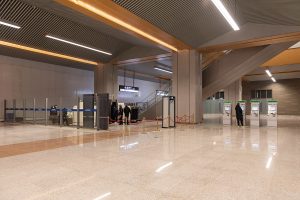
Large stations (Beijing South, Shanghai Hongqiao, Guangzhou South, and similar hubs) reward early arrival. Security checks for bags are routine. Place bags on the scanner, keep liquids accessible if asked, and move through without filming staff at close range.
After security:
1. Check the departure board for your train number and gate / waiting area.
2. Confirm the gate again 15–20 minutes before departure; assignments can shift.
3. Keep your passport and ticket QR / paper ready in the same pocket order every time.
4. Use toilets before boarding when possible; queues form near departure.
Passport and ticket checks at the gate are normal. Have documents out before you reach the front of the line so you do not block people behind you.
Boarding order without drama
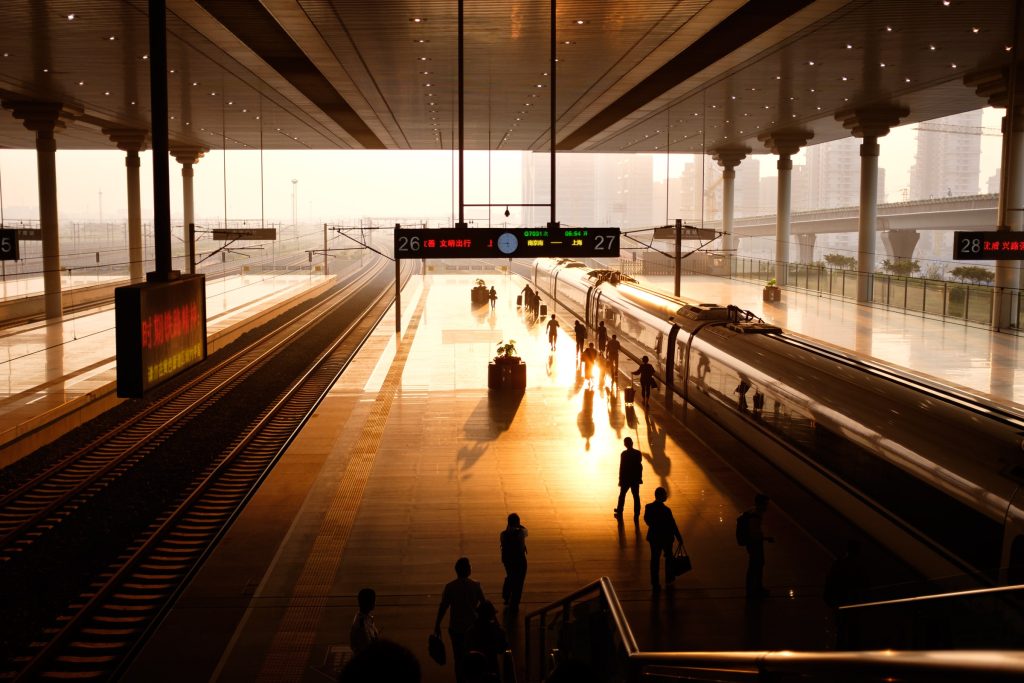
When the gate opens, people move quickly but usually in a recognisable flow: follow staff instructions, match car numbers on the platform, and enter at the door closest to your seat car when signs allow. You do not need to sprint. You do need to keep walking once you are on the platform so the gate exit does not jam.
On the platform:
- Stand behind the yellow line until the train stops and doors open.
- Let passengers exit before you step in.
- If you boarded the wrong door, walk inside the train to your car rather than arguing on the platform edge.
Inside the carriage: seats, luggage, and volume
Find your seat calmly
Seat numbers are marked clearly. Put large suitcases on the racks at the car ends or in designated luggage areas; smaller bags go on the overhead shelf. Do not leave hard-shell cases in the aisle. If the overhead shelf is full, ask neighbours politely or move a bag to the end rack — do not pile luggage on empty passenger seats unless the conductor indicates it is allowed for that trip.
Hot water taps are common at the car ends. Use your own bottle or cup; wipe spills; do not block the aisle while filling.
Quiet habits that locals appreciate
High-speed cars are not silent monasteries, but they are not party buses either:
- Take calls briefly and at lower volume; step to the vestibule for longer conversations when you can.
- Use headphones for videos and games.
- Keep group chatter considerate, especially in morning and late-evening cars.
- If a carriage is marked or commonly treated as quieter, match that energy.
Children travel often. Offer patience; parents usually try. Priority seats near doors are for those who need them more — yield without a speech.
Food and drink without leaving a trail
Eating on board is normal. Messy, strong-smelling banquets are not. Practical rules:
- Choose foods that stay on a tray or in a container.
- Instant noodles are fine if you manage hot water carefully and dispose of trash properly.
- Alcohol is a personal choice; staying clear-headed helps with station exits and connections.
- Clear your seat area before arrival; use trash bags or bins as provided.
Convenience purchases on board or in stations are easier when Alipay and WeChat Pay already work. Cash is backup.
People flow: toilets, conductors, and connections
Toilet queues grow after meal moments and near journey’s end. Go earlier. Leave the toilet as tidy as you found it; the next passenger is minutes behind you.
Conductors and attendants move through cars for checks and service. Keep your ticket accessible. If you need help — wrong seat, feeling unwell, luggage stuck — ask calmly with translation app support. Pointing at seat numbers works surprisingly well.
If you have a tight connection:
- Sit nearer the exit end of your destination logic when booking if you know the station layout.
- Pack bags five to ten minutes before arrival.
- Stand only when the train is slowing and the aisle is free enough; do not block doors early.
- Follow exit signs upstairs to the departure floor only after you clear the arrival flow.
For airport-to-train days, remember that city airports and rail hubs are separate stress systems — see also Beijing Capital Airport first arrival style sequencing: one mode at a time.
Holiday crowding and how etiquette stretches
Before Mid-Autumn (25 September 2026) and through Golden Week (~1–7 October), expect:
- Longer security lines at major stations.
- Fuller overhead racks — pack lighter if you can.
- More families with luggage carts in concourses.
- Less tolerance for blocking aisles while reorganising bags.
Etiquette upgrades for dense days:
- Queue single-file at gates.
- Board with bags already zipped and tickets ready.
- Accept that you may not find two empty seats together for a bag and a jacket.
- Say a brief “sorry” / “不好意思” if you bump someone — tone matters more than perfect pronunciation.
Makeup workdays (20 September and 10 October 2026) can shift who travels when; do not assume a Sunday or Saturday feels identical to a pure holiday. Check your ticket date against the makeup workday Mid-Autumn note if your workplace or friends mention swapped rest days.
Accessibility, safety, and small courtesies
- Keep emergency aisles clear.
- Do not smoke anywhere on the train; enforcement is real.
- Power outlets exist on many seats — share if adapters and sockets are contested.
- Overnight or late trains still deserve low voices; people sleep sitting up.
- Photograph scenery through windows without leaning into strangers’ faces or blocking the aisle for the perfect shot.
If you feel unsafe or unwell, seek the attendant, not only online advice mid-journey.
A simple etiquette checklist you can screenshot
Before the trip
- Ticket, passport, payment apps, and offline translation phrases ready.
- Luggage weight you can lift to a rack without swinging into seats.
At the station
- Security calm, board early enough, documents in hand at the gate.
- Toilet stop before boarding when possible.
On board
- Correct seat, bags stowed, volume low, food tidy.
- Hot water courtesy, trash cleared, aisle kept open.
On arrival
- Bags packed before the stop, exit without shoving, follow signs upstairs.
High-speed train etiquette in China is mostly invisible when done well: you become part of a smooth river of people moving from city to city. Learn the script once, and every later ride — Mid-Autumn weekend or ordinary Tuesday — feels shorter, quieter, and more like travel than logistics combat.