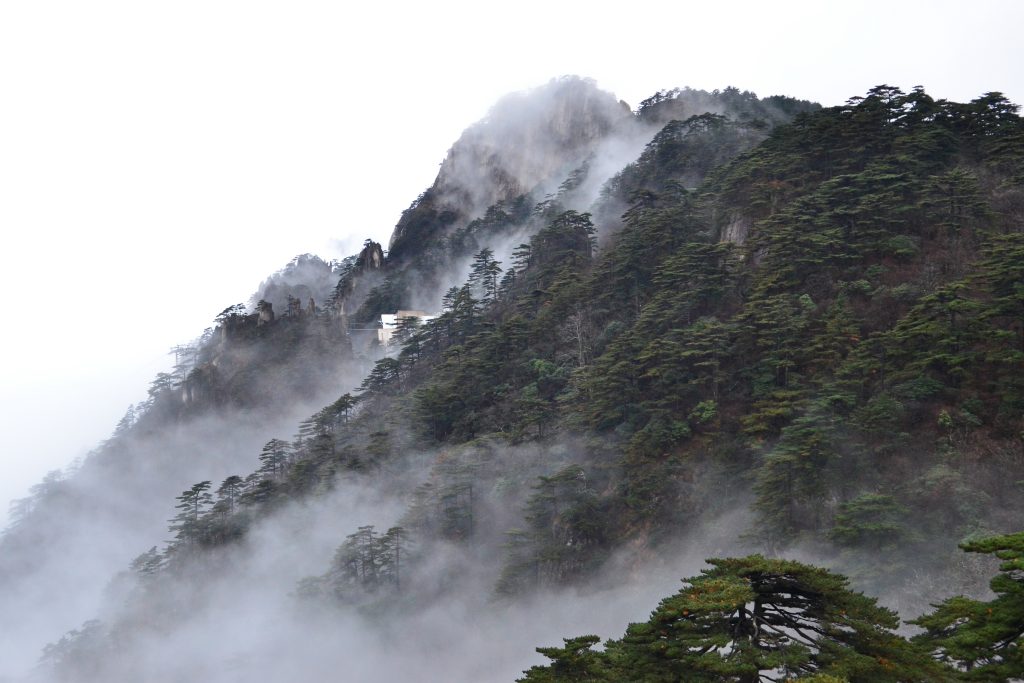
Why Huangshan in autumn — and why “before Golden Week” matters
Huangshan (黄山), often called Yellow Mountain in English, is a granite-and-pine landscape of stairways, sea-of-clouds mornings, and cool ridgelines. For foreign visitors, autumn is one of the most rewarding seasons: clearer views on good days, cooler hiking air, and colours that photograph well without summer’s heaviest humidity.
Timing still matters in 2026. Mid-Autumn Festival is Friday 25 September (holiday roughly 25–27 September). National Day Golden Week runs roughly 1–7 October. A trip in the quieter stretch after mid-September but before early October can feel calmer than arriving on the holiday itself. If you are weighing festival dates, start with Golden Week 2026 vs Mid-Autumn and National Day Golden Week 2026 travel planning.
Huangshan is not a single viewpoint. It is a mountain system with multiple ascents, cable-car options, overnight hotels on or near the scenic area, and long stair segments. A practical first trip is usually one or two nights with one focused ridge day — not a checklist of every named peak.
How to get there without burning your energy budget
Most visitors approach via Huangshan city transport hubs and then transfer to scenic-area gates. High-speed rail into the region is common for domestic routes; from major cities you book seats ahead, especially near holidays — see how visitors book mainland trains on 12306.
From the city side to the mountain gates, use official buses, hotel transfers, or a ride-hail when available. Keep your passport handy for tickets and hotel check-in. Set up Alipay and WeChat Pay before you need a rural-edge snack stall or a last-minute poncho.
Do not schedule a dawn summit expectation on the same calendar day you land from a long international flight. Build a buffer night in town or at the mountain base if jet lag is still loud.
Cable cars, stairs, and choosing an ascent style
Huangshan’s cable cars reduce vertical grind, but they do not remove walking. Even after a gondola, you still face stone steps, uneven ridges, and weather delays. Decide your style before you buy:
- Cable car up + ridge walk + cable car down: Efficient for first-timers with limited knees or time.
- Cable car one way + hike the other: A classic compromise when weather and queues allow.
- Mostly on foot: Rewarding in clear weather if you have training and daylight.
Practical cable-car notes:
- Queues grow on weekends, Mid-Autumn eve, and Golden Week mornings. Arrive earlier than your optimism suggests.
- Operations can pause for wind, fog, or maintenance. Have a stair plan B and emotional flexibility.
- Keep tickets and ID consistent with whatever real-name rules apply that season.
- Stand clear of doors, secure phones on straps, and expect temperature drops as you gain elevation.
If stairs are a hard limit, research elevator or assistance options at your chosen gate in advance and choose routes that match — do not discover the longest staircase after you have already committed bags to a summit hotel.
Weather layers: packing for mist, sun, and cold mornings
Autumn on Huangshan can mean bright sun at noon and sharp wind on the ridge an hour later. Fog can erase views entirely, then lift into a classic sea of clouds. Pack for change, not for a single forecast icon.
Suggested layers:
- Moisture-wicking base layer
- Warm mid-layer (fleece or light insulated jacket)
- Windproof shell
- Compact rain layer or poncho
- Gloves and a light beanie for early starts
- Broken-in shoes with grip (polished stone steps get slick)
Extras that earn their weight:
- Headlamp or phone light for pre-dawn paths if you overnight above
- Power bank (cold drains batteries)
- Small cash backup plus mobile payments
- Blister kit and any personal medication
Skip brand-new stiff boots on day one. Skip cotton-only outfits that stay wet after mist.
Overnight options: on the mountain vs down in town
Staying on or near the scenic ridges
Summit-area lodging puts you closer to sunrise viewpoints and lets you walk after day-trippers thin out. Rooms book early near Mid-Autumn and Golden Week. Expect simpler comforts than a city business hotel, variable heating feel, and meal options that are convenient more than gourmet. Confirm whether your rate includes breakfast and how dinner timing works if you return after dusk.
Staying in Huangshan city or at the base
Town or base hotels usually mean more restaurant choice, easier luggage storage, and a calmer sleep for travellers who dislike thin mountain walls. The trade-off is an earlier morning transfer to the gate and less flexibility for sunrise. This pattern suits one full mountain day with a soft landing afterward.
Whichever you choose, complete hotel check-in with a foreign passport calmly: passport ready, booking name matching, and evening arrival buffers if you hike late.
A calm one-night, two-day skeleton
Day 0 evening: Arrive town/base, eat simply, check tomorrow’s cable-car status and weather trend, sleep early.
Day 1: Early transfer to gate → cable car or ascent → ridge walking with long rests → lunch on a simple plan → overnight on mountain or descend before fatigue turns ankles clumsy.
Day 2 (if second morning on mountain): Sunrise only if weather and sleep allow → shorter ridge segment → descend → town lunch → onward train.
Do not stack “every famous pine + every named peak + night show in town” into one punishing loop. Huangshan rewards selective walking. Photograph one ridge well rather than rushing ten.
Crowd timing without fake numbers
You do not need invented crowd statistics to plan politely:
- Weekdays in mid-September: Often the gentlest teaching window for first-timers.
- Makeup workday 20 September: More weekday-like movement on transport into the region.
- Mid-Autumn short holiday (~25–27 September): Busier scenic gates and cable-car lines; book lodging earlier.
- Between Mid-Autumn and Golden Week: A useful gap if your dates are flexible.
- Golden Week (~1–7 October): Highest pressure on lodging, cable cars, and narrow ridge segments — shorten the route, start earlier, protect meal and descent time.
When paths bottleneck at viewpoints, step aside for photos instead of stopping in the walking lane. Keep trekking poles tips controlled on crowded stairs.
Food, water, and energy on the mountain
Carry water and a few snacks even if you plan to buy food above. Choices exist along popular routes, but selection shrinks late, and you should not bargain with hunger on slick steps. Eat familiar carbs before a long stair push; save experimental spice for town dinners after you descend.
If fog traps you in a slower pace, stretch your food and daylight budget rather than forcing a summit vanity photo.
Safety and mountain manners
- Stay on marked paths; cliffs are real.
- Respect barriers at drop-offs.
- Descend before legs tremble — most incidents come from fatigue, not drama.
- Share narrow stairs: uphill and downhill courtesy matters more than speed.
- Drones and smoking rules follow posted park guidance — obey signs.
- Weather changes fast; turning back is a valid itinerary.
Payments, connectivity, and backups
Mobile payments dominate small purchases. Keep a screenshot of your hotel’s Chinese address and the scenic gate name. Offline maps help when signal dips in valleys. If your eSIM is new, test it the night before the ascent.
For ride segments where buses feel unclear, a working ride-hail setup helps on the city side — Didi for foreign visitors.
What “success” looks like on a first Huangshan trip
Success is not capturing every postcard angle. It is:
- Reaching a ridge section safely
- Having clothing that matched the wind
- Managing cable-car queues without rage
- Returning with knees intact
- Leaving one viewpoint unvisited on purpose so the day stayed human
Autumn light on granite and pine is generous when you give it time. Visit before Golden Week if you can, pack layers like you mean it, and treat stairs as the main event — not an obstacle between you and a photo. Huangshan will still be there for a second trip; your ankles only need to survive this one.