What “Golden Week” means in 2026
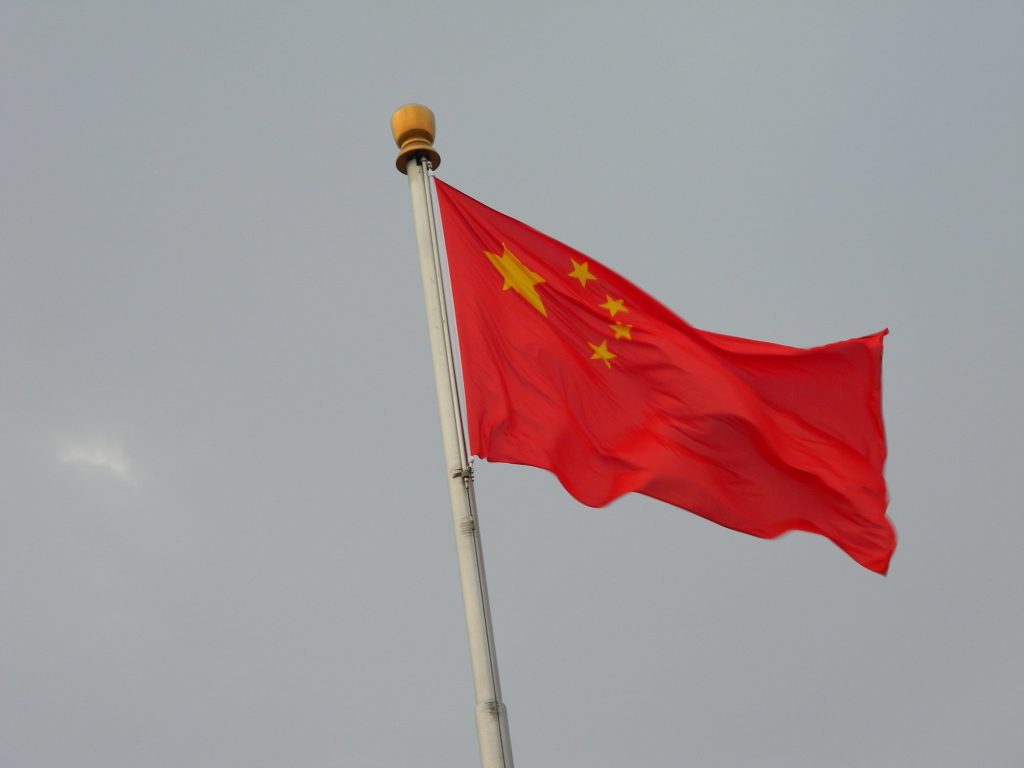
National Day (国庆节) marks the founding of the People’s Republic of China on 1 October. The surrounding public holiday—widely called Golden Week—is one of the two longest travel peaks of the year (alongside Spring Festival). It is when many families take cross-province trips, book scenic spots, and pack trains and expressways.
According to the State Council General Office notice on 2026 partial holiday arrangements (国办发明电〔2025〕7号, published on the official government site), the National Day holiday in 2026 runs from Thursday 1 October through Wednesday 7 October—seven days off. To stitch the break together, the notice also sets adjusted workdays: Sunday 20 September and Saturday 10 October are scheduled as work days for many offices and schools following the national calendar.
Treat those makeup days as real workdays unless your employer says otherwise. Residents plan around them; travelers feel them as quieter weekdays before and after the rush—or as surprising office reopenings.
For a side-by-side with the autumn moon holiday, see Golden Week 2026 versus Mid-Autumn. Mid-Autumn itself is separate: Friday 25 through Sunday 27 September 2026.
The calendar at a glance
- Mid-Autumn holiday: 25–27 September 2026
- Makeup workday before National Day block: 20 September 2026 (Sunday → work for many)
- National Day Golden Week: 1–7 October 2026
- Makeup workday after: 10 October 2026 (Saturday → work for many)
Always re-check the official notice closer to your trip if you are making non-refundable bookings; employers and local governments follow the State Council framework, with workplace nuances.
What typically stays open
Think of Golden Week as a travel-and-leisure peak, not a total shutdown.
Often busy and operating (hours may change):
- Major tourist attractions, museums with holiday schedules, city walls, cable cars, and theme parks
- Hotels, homestays, and guesthouses (book early)
- Restaurants in tourist districts and shopping malls
- Malls, convenience stores, and many supermarket chains
- Intercity transport: trains, flights, coaches—on intensified schedules but high demand
- Urban metro and local buses in large cities (watch last-train notices)
Popular sites may extend hours or release extra ticket batches; they may also impose daily visitor caps. “Open” does not mean “easy to enter without a booking.”
What may close or slow down
Patterns vary by city and sector, but foreign residents and visitors often notice:
- Government offices and many public service counters on holiday closure schedules
- Banks’ lobby services (ATMs usually still work; currency errands can wait)
- Some clinics’ routine outpatient desks (emergency care differs—verify locally)
- Schools and many training centers
- White-collar offices following the national holiday calendar
- Small neighborhood shops in residential alleys whose owners travel
Do not assume every embassy appointment, visa run, or HR paperwork day remains available. Move administrative tasks outside 1–7 October when you can.
Crowds: where pressure concentrates
Without inventing numbers, the qualitative map is stable year after year:
- Iconic national sites (palace museums, flag-raising viewing areas, top-tier mountains and lakes)
- High-speed rail hubs on departure eve and return days
- Expressway service areas on peak road-travel days
- Domestic tourism cities marketed for short holidays
- Shopping streets tied to promotions
Secondary streets a few stops away from the postcard view are often calmer. Dawn entries, night sessions (where offered), and mid-holiday weekdays can feel different from the first and last days of the break—still busy, but sometimes more breathable than the opening surge.
If Beijing palace tickets are on your list, plan before the week begins using normal booking discipline; our Forbidden City tickets before Golden Week note is written for that exact problem.
Transport planning that actually helps
Trains
Book early on the official 12306 channels or authorized partners. Overnight sleepers and daytime G/D trains on trunk routes are classic Golden Week bottlenecks. If you are new to the system, read how visitors book mainland trains on 12306 before the holiday release wave.
Consider arriving a day before a must-see reservation, or traveling on shoulder days outside 1–7 if your visa and work calendar allow.
Flights and roads
Flights mirror train demand on domestic tourist corridors. Driving can be flexible for local trips and stressful on intercity expressways at peak open-road moments. Build slack into any airport transfer; holiday traffic near terminals is a known friction.
Local rides
Metro is usually the most predictable intra-city tool. Didi and taxis still run; surge and waits rise near stations and attractions. Keep the Didi foreign-visitor basics ready if you rely on ride-hailing.
Hotels and short stays
Raise your booking priority if you need a specific neighborhood near a major sight. Read cancellation rules carefully: holiday rates can be less flexible. Confirm that your passport check-in hotel accepts foreign guests—standard advice year-round, more painful to discover on 1 October night.
Food and daily life
You will not starve in tier-one tourist cities. You may wait for popular restaurants, especially ones famous on domestic social media. Mall food courts absorb overflow. Convenience stores cover late arrivals.
If you cook at home, grocery early; some wet markets and small vendors pause while chains stay open. Payment apps remain essential—holiday cashiers are not the moment to debug a new wallet.
Working residents: set expectations early
If you are employed in China, ask HR how your entity treats the 20 September and 10 October makeup days, overtime during the holiday, and any on-call rotations. Foreign employees sometimes assume Western “public holiday = always off” logic; Chinese holiday calendars include compensatory workdays by design.
A dedicated workplace angle lives in our companion piece on working through Golden Week as a foreign employee—useful if your question is leave etiquette rather than sightseeing.
Sightseeing strategy for visitors
1. Pick one hero sight per day, not four.
2. Pre-book timed tickets wherever the venue requires them.
3. Sleep near a metro line, not merely near a landmark with no train.
4. Schedule museum interiors on the most crowded outdoor parade days if indoor capacity feels better managed.
5. Keep a rain plan—autumn showers plus queues is a morale test.
6. Use early morning for open-air photography; use evenings for illuminated riversides when day tickets are sold out.
7. Exit tourist cores for one meal a day to reset noise levels.
What not to invent or assume
Holiday media love dramatic crowd photos. Your trip does not need fake statistics. Verify opening hours on the venue’s current notice, verify train seats in the booking app, and verify your employer’s calendar in writing. Official holiday dates come from the State Council notice cited above; local park hours come from local sources.
A simple planning timeline
- 4+ weeks out: draft city list; avoid stacking only mega-attractions.
- As rail/flight inventory opens: book long-distance legs.
- 2 weeks out: lock hotels; buy attraction reservations.
- 1 week out: download offline maps, confirm payment apps, screenshot bookings.
- 20 September makeup day: handle office tasks if you work locally.
- 25–27 September Mid-Autumn: treat as a separate mini-peak if you are already traveling.
- 1–7 October: execute the calm itinerary; protect sleep.
- 10 October makeup day: expect offices and schools back on a Saturday schedule for many.
Bottom line
Golden Week 2026 is 1–7 October, framed by makeup workdays on 20 September and 10 October, per the State Council’s 2026 holiday notice. Plenty stays open; the challenge is capacity, not a shuttered country. Book transport and tickets early, shrink daily ambitions, and treat administrative chores as pre-holiday tasks. Do that, and National Day week becomes a structured travel window instead of a surprise obstacle course.