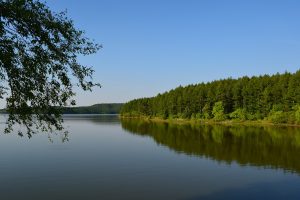
The minivan’s engine whined as we climbed the final switchback, the air thinning with every meter. Through the dusty windshield, the water suddenly appeared — a slab of dark jade pinned between white shoulders. Muztagh Ata floated in the reflection, upside down and perfect, while a wind off the glacier ripped across the shore and stole the heat from my fingers. Three hours out of Kashgar, the Karakoram Highway had finally delivered us to 3,600 meters.
Getting There and the Permit Reality
Most travelers hire a private car or share a minivan from Kashgar’s international bus station near the Sunday Market. The ride takes three to four hours one way, depending on roadwork and the number of police checkpoints. You will stop at least twice: once at a security station just outside the city where they scan passports, and again at the lake entrance gate where the border permit is checked.
If you only plan a day trip, the standard Xinjiang travel permit you received on arrival in the region is usually enough. The moment you mention sleeping in a yurt, the driver will insist on a separate border zone permit. These are issued by the Public Security Bureau in Kashgar — often arranged by your hostel or a travel agency — and require a copy of your passport and visa. Do not assume the driver has it sorted. I watched a group from Germany get turned around at the second checkpoint because their agency forgot to file the overnight extension. They drank tea at the gate while the van reversed back toward the lowlands.
- Day trip: standard regional permit, passport, Chinese visa.
- Overnight: additional border zone permit (apply 2–3 working days ahead).
- Bring printed copies; phone screens glare in the sun and officers prefer paper.
Reading the Sky and the Season
The lake sits in a funnel where the Pamir, Tian Shan, and Kunlun ranges collide. Weather changes in minutes. In late summer, the water turns a surreal turquoise under a hard blue sky. By mid-autumn, the wind carries sleet that stings exposed skin, and the surface darkens to steel grey. Winter closes the pass entirely; snow buries the yurts up to their crown rings.
Locals say the clearest reflections come in the early morning before the valley wind picks up. If you stay the night, wake before dawn. The peaks catch the first light while the shore is still frozen. By ten o’clock, clouds often swallow the summits. A driver once told me, “The mountain decides if you see it, not you.” He was right — we waited three hours in a yurt drinking milk tea before Kongur Tagh unveiled its shoulder for five minutes.
Sleeping on the Shore: Yurt Logistics
A cluster of white yurts sits on the western bank, smoke curling from their stove pipes. They belong to Kyrgyz families who move up from the valley for the warm season. A bed costs roughly 50 to 80 yuan per person on a shared platform; a private yurt runs higher. You are paying for thick quilts, a dung-fired stove, and a bowl of hand-pulled noodles in mutton broth at dawn.
There is no running water. The “toilet” is a deep pit behind a canvas screen. Bring wet wipes, a headlamp, and your own toilet paper. Electricity comes from a sputtering generator that cuts out at midnight. Phones charge only while it runs. I learned to keep my power bank inside my sleeping bag — batteries die fast in the cold.
- Cash only. Small denominations. No signal for mobile pay.
- Earplugs: wind howls through the felt flaps all night.
- Layer system: thermals, fleece, down, wind shell. Temperatures drop below freezing even in summer.
- Altitude headaches hit hard at 3,600 m. Hydrate the day before; carry ibuprofen and oxygen canisters from Kashgar pharmacies.
Food on the Plateau
The menu is short and heavy: laghman (hand-pulled noodles), manty (steamed mutton dumplings), grilled kebabs, and endless bowls of salty milk tea. Mutton dominates because sheep survive where crops don’t. The tea arrives in small ceramic bowls — sip it slowly; it replaces water at altitude. Yak yogurt is sometimes available, thick and sour, served with a spoonful of sugar.
If you have dietary restrictions, bring your own supplies. The yurt kitchen is a single pot over coals. Vegetarians will struggle beyond plain noodles and bread. I carry vacuum-packed tofu, dried fruit, and instant oatmeal for breakfast insurance.
What Newcomers Get Wrong
They underestimate the sun. At this elevation, UV burns exposed skin in twenty minutes. Sunglasses and a brimmed hat are not optional. They also overestimate their fitness. A short walk to the lakeshore leaves you gasping if you flew in from sea level yesterday. Spend a night in Kashgar first. Walk slowly. Breathe deep.
Another mistake: treating the yurt hosts as service staff. These are nomadic families opening their seasonal home. Ask before photographing elders. Accept tea with both hands. If you are offered a piece of kurut (dried cheese ball), take it — refusing is impolite. One traveler I met tossed a wrapper into the stove. The host’s silence was louder than any scolding.
Finally, do not plan a tight return. Landslides, military drills, or a sudden blizzard can close the highway for hours. Build a buffer day into your Kashgar onward ticket. The lake operates on mountain time, not train schedules.
Leaving the Water
On the descent, the van dropped below the cloud layer. The air thickened, warmed, smelled of dust and apricot orchards. My ears popped. Through the rear window, the lake shrank to a dark comma on the plateau, the peaks fading into haze. The driver lit a cigarette, shifted gear, and accelerated toward the valley. The permit checkpoint waved us through without a glance. We were already lower, already heavier, already planning the next time the mountain might let us see its face.