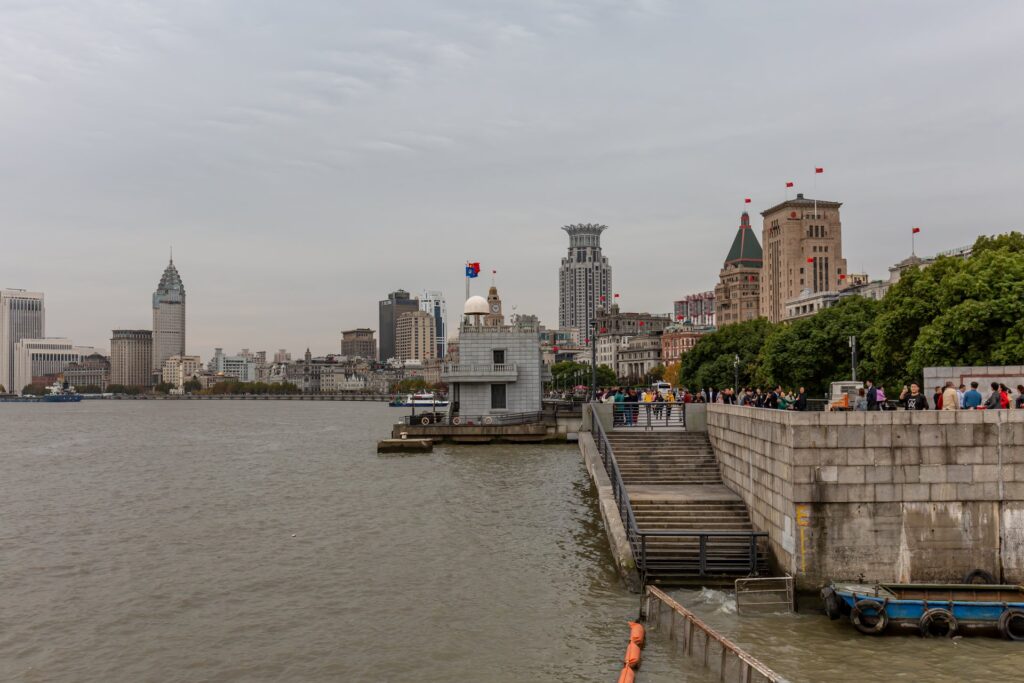
First visit energy without the crush
Shanghai rewards people who arrive with a short list and good shoes. The city is huge, the metro is competent, and the famous waterfront is only one layer. For a first visit in early autumn 2026, two focused days beat four exhausted ones — especially if Mid-Autumn (Friday 25 September, short holiday roughly 25–27 September) or National Day Golden Week (roughly 1–7 October) sits on your calendar.
White Dew (Bailu) begins Monday 7 September 2026. From then into late September, evenings cool enough for long Bund walks without peak summer humidity, while days stay mild for lane wandering. Lock outdoor promenades and old neighbourhoods into the quieter weekdays you can find; save indoor museums as rain or holiday buffers.
If your trip straddles both Mid-Autumn and Golden Week, read Golden Week 2026 vs Mid-Autumn before you freeze hotel nights. Shanghai does not empty for either holiday — it reshuffles.
Before you land: payments, maps, mindset
Foreign visitors still lean hard on mobile payments. Get Alipay and WeChat Pay working with your overseas cards before you need a taxi at midnight. Keep a little cash as backup, but expect many stalls and cafés to prefer a QR scan.
Download an offline metro map or screenshot your hotel’s nearest stations. English signage on Metro Line 2 and major interchanges is generally usable; smaller exits still benefit from a saved Chinese address.
Mindset for two days: one waterfront-and-skyline day, one lanes-and-culture day. Optional third day for a high-speed rail hop to Suzhou or Hangzhou — not crammed into the same evenings.
Day 1 — Bund, Pudong view, and one skyline choice
Morning: The Bund on foot
Start on the Bund (Waitan) while the light is soft. Walk a stretch of the waterfront, look across the Huangpu to Lujiazui, and resist the urge to photograph every building from the first railing. Pick two or three façades you actually like, then keep moving. Early autumn mornings here are made for coffee in hand and a slow north–south or south–north pass.
If haze sits on the river, shorten the photo session and lean into architecture detail instead of skyline drama. The buildings will still be there at dusk.
Midday: Cross or stay — your call
You can ferry or metro across to Pudong for a closer look at the towers, or stay on the Puxi side and duck into side streets for lunch. Either way, eat when you are hungry, not when a guidebook says a famous dumpling shop is mandatory. Shanghai’s xiaolongbao culture is real; queue length is not a moral score. Choose a clean place with a clear menu and a payment method you can complete.
Afternoon: One height or one museum — not both at full throttle
Pick either a viewpoint experience (ticketed observation decks change rules and prices — check the operator the day you go) or a single major museum with timed entry if required. Stacking both on day one is how first visits turn into sore feet and blurry memory.
Shanghai Museum (People’s Square area) is a classic first-timer indoor stop when you want bronzes, ceramics, and calm galleries. Confirm opening hours and any reservation rules on the official channel; holiday weeks can alter access.
Evening: Bund again, differently
Return to the waterfront after dark if energy remains. Night lighting on the Pudong side is the postcard; the Bund promenade is the viewing deck. Keep valuables zipped, watch for bike lanes and photo tripods, and leave before you are too tired to navigate the metro.
Day 2 — Old lanes, one neighbourhood deep, slower food
Morning: Choose a lane district and walk it properly
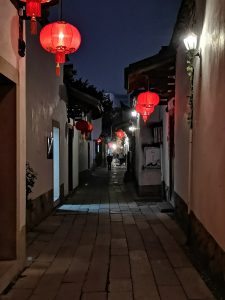
Shanghai’s “old town” branding can be touristy; the value is still in walking a compact historic fabric at human speed. Areas around Yuyuan / Old City, or residential pockets in the former concession zones, reward unhurried turns down quieter lanes once you step half a block off the main souvenir drag.
Go early. Mid-morning tour groups compress the photogenic corners. You do not need a perfect itinerary — you need curiosity, polite distance from residents’ doorways, and a willingness to leave when a lane is clearly private.
Midday: Sit-down meal, not a checklist
Order fewer dishes than you think you need, share if you are two or more, and ask for spice level if anything looks chilli-forward. Autumn menus may feature hairy crab elsewhere in Jiangnan; in Shanghai proper you can still eat simply — noodles, soup dumplings, cold appetisers — without chasing a ranked list.
Afternoon: Park, water town taste, or art — one more layer
Options that fit a first visit without requiring another city:
- A large urban park for shade and people-watching.
- A short metro hop to a different neighbourhood for cafés and bookshops.
- A gallery or contemporary art space if that is your language.
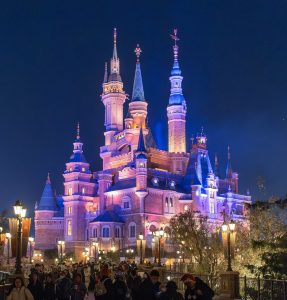
What to skip on a two-day first visit: trying to “do” Disneyland, Zhujiajiao, and the full French Concession café crawl in the same afternoon. Each of those deserves its own half-day.
Evening: Soft landing
Choose a neighbourhood dinner near your hotel. Pack for the next morning if you are leaving for Suzhou or Hangzhou. Sleep.
Optional day 3 — Suzhou gardens or Hangzhou’s West Lake
High-speed rail makes both cities realistic day trips or overnights. Book trains through official channels; our walkthrough on how visitors book mainland trains on 12306 covers the passport and app friction points.
- Suzhou — classical gardens, canal edges, walkable historic cores. Pair with our Suzhou gardens autumn day trip guide if gardens are the goal.
- Hangzhou — West Lake loops, tea hills if you have legs left. See West Lake Hangzhou first visit in early autumn.
Do not attempt both cities in one day from Shanghai. That is a transport flex, not a visit.
Dodging Mid-Autumn and Golden Week pressure
If you are in Shanghai 25–27 September 2026: expect family travel, moon-viewing crowds on popular waterfronts, and fuller restaurants at dinner. Book dinner earlier than usual. Mooncakes are cultural, not mandatory calories — our Mid-Autumn food piece covers the edible side if you want context.
If you are in Shanghai 1–7 October 2026: major sights and intercity trains tighten. Prioritise prebooked tickets, metro over taxis at peak hours, and indoor plans when outdoor promenades feel packed.
Best first-visit window in early autumn: weekdays between Bailu and Mid-Autumn, or the quieter weekdays after Mid-Autumn and before Golden Week if your flight times allow.
Practical scraps that matter
- Metro turnstiles want a working QR transit code or card — set this up with time to spare.
- Crossing the Huangpu is normal; living on one side and sightseeing on both is fine.
- Rain gear beats an umbrella fight on the Bund wind.
- Hotel addresses in Chinese characters on your phone save taxi conversations.
- Tip culture is not the default; service charges appear where they appear — follow the bill.
Neighbourhood notes without a ranked list
The former concession areas reward block-by-block wandering: plane trees, lane houses, small galleries, and cafés that open and close with fashion cycles. You do not need a “top ten streets” list. Pick a metro stop, walk a rectangle, and duck into anything that looks cared for. When a lane turns residential and quiet, treat it as someone’s front yard — smile, keep moving, put the camera down.
If jet lag hits on day one, swap the afternoon height-or-museum choice for a long coffee and an earlier night. Shanghai will still be there tomorrow; your knees will thank you on the garden day trip later in the week.
What success looks like after two days
You have watched the river change colour twice. You have walked at least one neighbourhood that was not only a souvenir street. You have eaten something local without filming every bite. You know how your payment apps behave. You have a train theory for Suzhou or Hangzhou if you want more Jiangnan.
Shanghai will still be mostly unexplored — that is correct. A first visit’s job is orientation and a few sharp memories, not conquest. Come in early autumn, sidestep the holiday spikes when you can, and let the Bund be a beginning rather than the whole story.