I will now generate the article for Lovely China in GitHub-flavored Markdown, covering visit tips for Shanghai’s Yu Garden in 2026.
Shanghai Yu Garden Visit Tips for Foreigners 2026
Export
Stepping into Shanghai’s historic Yu Garden feels like slipping through a portal straight into the Ming Dynasty, complete with exquisite classical rockeries, serene lotus ponds, and traditional curving pavilions. However, for foreign travelers and expats embarking on their first visit, navigating the stark contrast between the tranquil inner garden and the surrounding bustling commercial bazaar can be overwhelming. To ensure your outing goes smoothly, it helps to understand the layout, master local digital payments, and time your arrival strategically. Whether you are building out your broader Shanghai first-visit guide or just looking for a solid afternoon excursion, these practical tips will help you master Yuyuan.
Garden vs. Bazaar: Knowing the Difference
One of the most common points of confusion for first-time visitors is distinguishing between Yu Garden (Yuyuan) proper and the surrounding Yuyuan Bazaar. They sit right next to each other, but they offer completely different experiences.
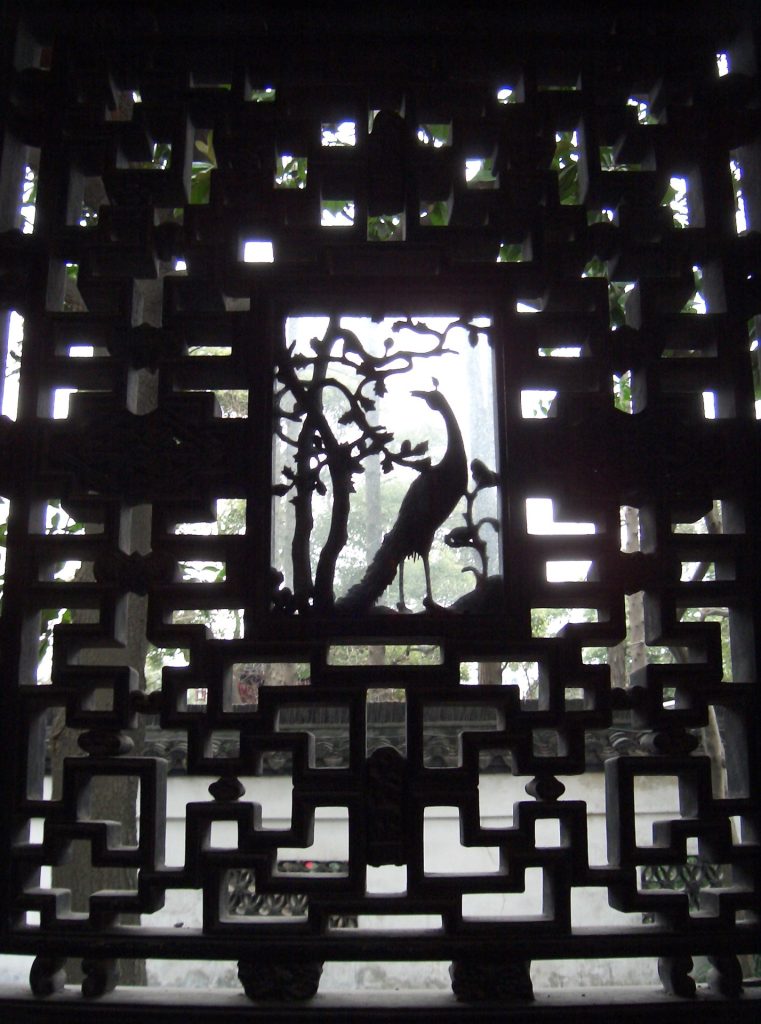
The Yu Garden itself is a walled, classical Chinese garden originally built during the Ming Dynasty by Pan Yunduan for his parents. Inside, you will find quiet pathways, dramatic limestone rockeries, intricate wood carvings, and beautiful dragon walls. It is an enclosed historical site meant for peaceful appreciation of landscape design, and it operates under specific opening hours with restricted visitor capacity.
In contrast, the surrounding Yuyuan Bazaar (often called Yuyuan Tourist Mart) is a bustling, neon-lit commercial area packed with souvenir stalls, traditional snack shops, tea houses, and crowds of tourists. Famous landmarks like the Huxintao Teahouse and the Zigzag Bridge sit right in this open public zone. While the bazaar is free to enter and wander through at any hour, it is loud, crowded, and heavily commercialized. Knowing this distinction helps you manage expectations: come to the bazaar for street food, architecture photography, and shopping, but head inside the garden gates when you want a quiet escape from the city roar.
Ticketing and Digital Logistics
Securing entry tickets to the inner garden requires a bit of digital preparation, especially for international visitors who may not be familiar with domestic Chinese booking mini-programs.
Official Booking Channels: Always rely on the park’s official booking platform or designated municipal tourism channels rather than third-party reseller scams. Because ticketing regulations and identification requirements can update periodically, check the official park booking portal or tourist bureau notices during the week leading up to your travel.
Passport Requirement: As a foreign traveler, you will need your physical passport to purchase tickets online and to enter through the turnstiles. Keep your passport secure yet easily accessible.
Payment Integration: Cash is rarely used for modern attraction bookings or bazaar purchases. Make sure your smartphone is fully prepared by linking your international credit cards through the Alipay and WeChat Pay hub, which will allow you to scan codes for tickets, snacks, and metro rides effortlessly. For transit logistics, reviewing options like tourist metro cards vs mobile pay can also save you time at Line 10’s Yuyuan Garden Station.
Beating the Crowds: Timing Your Visit
Afternoon and weekend crowds at Yuyuan can be staggering. On weekends, public holidays, and peak afternoon hours, the narrow lanes of the bazaar and the pathways of the garden fill to capacity, making it difficult to move at your own pace or capture clear photographs.
To maximize your enjoyment, aim for these timing strategies:
Go Early: Arrive right as the garden opens in the morning. The air is fresher, the tour groups have not yet flooded the gates, and the soft morning light filtering through the pavilions is ideal for photography.
Weekday Advantage: If your schedule allows, visit on a Tuesday or Wednesday instead of a Saturday or Sunday.
Bazaar at Night: While the inner garden closes in the late afternoon, the surrounding bazaar stays illuminated well into the evening. Visiting the bazaar after dark offers a completely different atmosphere with glowing traditional lanterns and vibrant night views, though it remains busy.
Practical Checklist for Foreign Visitors
Before heading out to Yuyuan, run through this quick checklist to ensure a seamless experience:
[ ] Physical passport packed for ticket verification and entry.
[ ] Alipay or WeChat Pay tested and linked with an international Visa/Mastercard.
[ ] Comfortable walking shoes for uneven stone paths and massive crowds.
[ ] Downloaded translation app with offline Chinese packs for reading historical plaques and communicating with vendors.
[ ] Verified current ticket prices and operating hours on official channels just prior to your visit week.
If you are planning to branch out to nearby regional destinations after exploring Shanghai’s historic heart, you can also easily transition from your city explorations to a Suzhou day trip from Shanghai to experience even more stunning classical gardens.
Frequently Asked Questions
Do I need to book my Yu Garden ticket in advance?
While last-minute entry is occasionally possible depending on daily caps and seasonal demand, booking in advance through official channels is strongly recommended for foreign travelers to avoid language barriers at the ticket window and ensure entry on busy days. Always verify current booking rules on official municipal tourism portals prior to your trip.
Can I visit the Yuyuan Bazaar for free?
Yes. The surrounding Yuyuan Bazaar, including the historic streets, shopping plazas, and the exterior areas around the Zigzag Bridge and Huxintao Teahouse, is completely open to the public and free to enter at any time. Only the walled classical garden interior requires a paid admission ticket.
How do I get to Yu Garden using public transportation?
Related Lovely China reading
For payments, start with Alipay and WeChat Pay hub and WeChat Pay vs Alipay for tourists. For trains, keep high-speed rail first-timers guide and 12306 passport signup for foreigners handy. City hubs: Beijing first-visit guide, Shanghai first-visit guide. Connectivity: roaming vs local SIM honest guide, pocket Wi-Fi vs eSIM for China, offline maps for foreigners. Bookmark China travel tools page.
Practical checklist
- Confirm official rules on the relevant government, park, airline, or bank page near your travel week
- Screenshot bookings, tickets, and QR codes while you still have stable Wi-Fi
- Save hotel and attraction names in Chinese characters in your phone notes
- Carry passport, a backup payment method, and a small cash float (why cash is still needed)
- Test one small mobile payment before you rely on wallets at a gate or taxi
- Keep the China travel tools page page bookmarked for related Lovely China hubs
FAQ
Is this travel advice official?
No. Lovely China orients travellers. Verify live rules on official pages, apps, and counters near your travel week.
Will every city behave the same?
No. Airports, stations, and parks differ. Use local signage and staff instructions when they conflict with a general guide.
What should I screenshot before I lose Wi-Fi?
Bookings, tickets, hotel Chinese address, pickup pins, and payment success screens.
Notes for late 2026 travellers
Late October and November bring cooler mornings, earlier sunsets, and comfortable walking weather across much of eastern and central China. Pack layers and leave extra time on clear weekends at popular sights.
This article does not invent ticket prices, opening hours, processing times, consular fees, or official statistics. When a number matters, verify it on the official site, app screen, or ticket board near your travel week.
If an official rule page disagrees with this guide, follow the official page. Lovely China orients English-speaking travellers; we are not an immigration, banking, or medical authority.