The minivan hit a washboard stretch of dirt track and the horizon tilted. Ahead, the grassland rolled flat to a line of white poplars, and beyond them the reed beds of Xianghai caught the late light like brushed steel. A flock of bean geese lifted in a ragged V, their calls sharp over the engine noise. This is the moment the map stops being useful and the reserve starts being real.
When the birds write the calendar
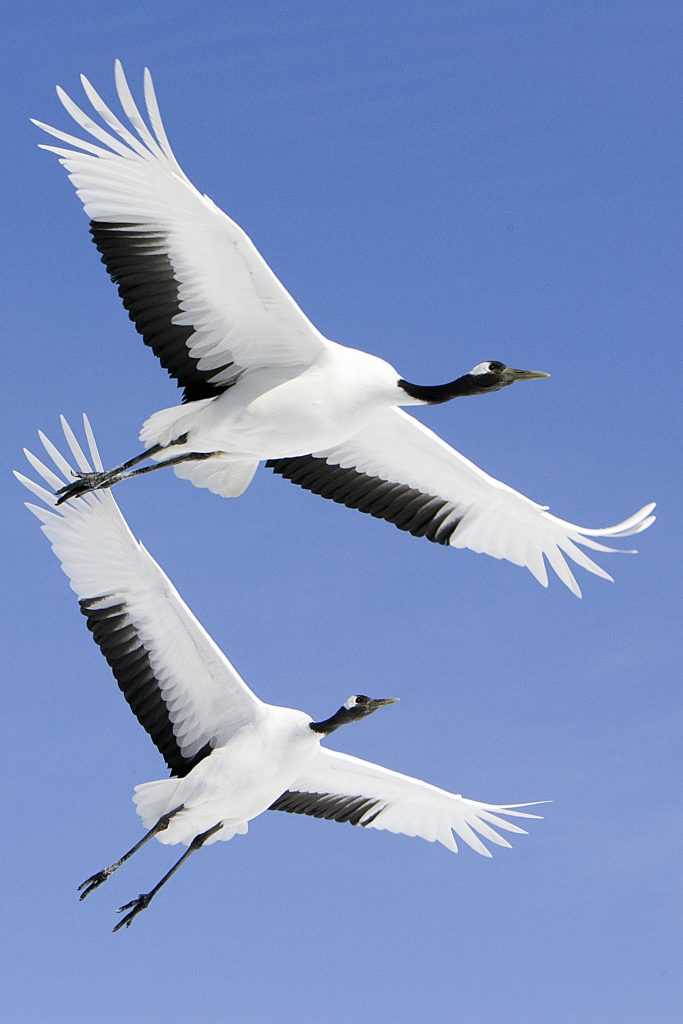
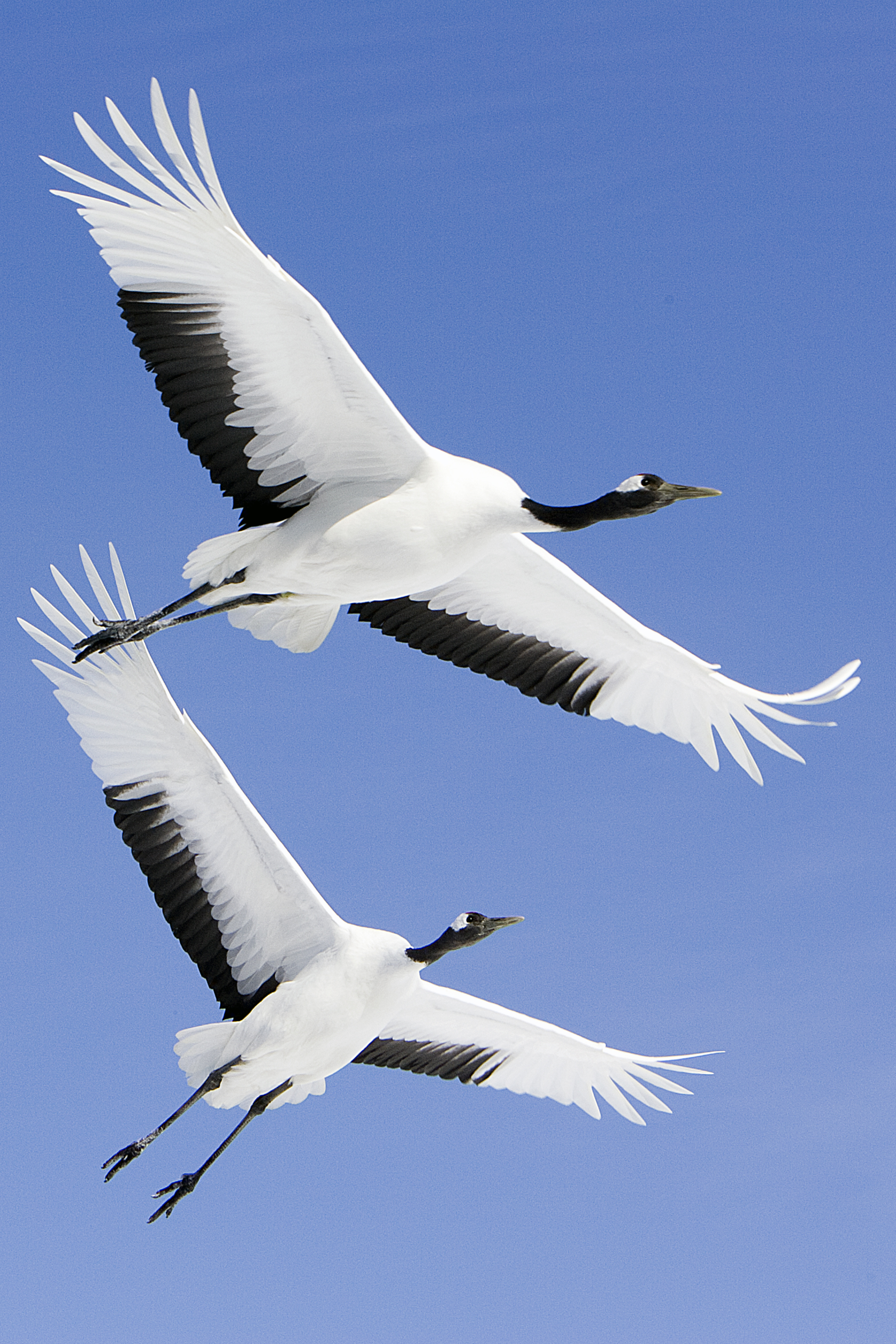
Xianghai lives by the lunar rhythm, not the Gregorian one. The first major pulse arrives around the Qingming festival in early spring, when the ice on the lakes fractures and the cranes return. Red-crowned, white-naped, and Siberian cranes stake out nesting territories in the shallow marsh. By the time the dragon boat races happen in the south, the chicks are already stumbling after their parents through the sedge.
Autumn brings the second wave. Around the Mid-Autumn Festival, the migratory route swings south and the reserve becomes a refueling station. Demoiselle cranes gather in the hundreds on the alkaline flats, their black neck feathers catching the low sun. The weather then is crisp, the mosquitoes gone, and the grass turned the color of dried barley. Winter is silent. Only the resident great bustards and a few hardy Mongolian gazelles remain, and the access roads often vanish under drifts.
Getting there without a tour bus
Most foreigners fly into Changchun Longjia Airport, then hire a driver for the three-hour run northwest. The highway (G12) is good until you turn off toward Tongyu County. From there, the county road narrows and the signage switches to Chinese only. A reliable driver will know the reserve’s main gate near Xianghai Town; an unreliable one will drop you at the county bus station and wish you luck.
If you prefer public transport, take a high-speed train to Baicheng, then a local bus to Tongyu. From Tongyu, minivans marked “Xianghai” wait near the market. They leave when full, not on a schedule. Budget half a day for the whole chain. Bring snacks and water; the last convenience store is in Tongyu.
Where to stand with binoculars
The reserve is huge, but three zones cover the essential birding.
- Crane Island (He Dao) — A raised boardwalk cuts through the core wetland. Arrive at first light. The red-crowned cranes dance in the mist off the water. Stay on the planks; the mud swallows boots whole.
- Alkaline Lake Flats — Drive the dirt track north of the main gate until the grass turns white with salt crust. This is where demoiselle cranes and great bustards feed in autumn. A spotting scope helps; the birds are wary of vehicles.
- Poplar Windbreak Belt — Rows of planted trees shelter passerines during migration. In spring, you’ll find Siberian rubythroat, Pallas’s leaf warbler, and the occasional oriental scops owl roosting in the bark.
Rangers at the gate hand out a photocopied map with these zones marked in red pen. Ask them which boardwalk sections are open; flood damage closes different stretches each year.
Moving inside the reserve
Private cars are banned past the entrance checkpoint. The reserve runs electric shuttles — green minibuses that rumble between the gate, the visitor center, and the boardwalk trailhead. They leave roughly every forty minutes. If you miss the last return run, you’re walking five kilometers back.
Many birders rent a motorcycle taxi from drivers waiting just outside the gate. Negotiate a half-day rate before you climb on. The drivers know the unmarked tracks to the lake edges that the shuttles skip. Wear a helmet; the helmets they hand you are cracked, but better than nothing.
Bicycles work in the dry season. The terrain is pancake-flat and the tracks are hard-packed. Bring your own patch kit; the rental bikes at the visitor center have bald tires and seized brakes.
What the Mongols expect from visitors
Xianghai sits in Horqin Left Wing Middle Banner. Mongol families still herd sheep on the reserve’s buffer zone. You’ll see white gers (yurts) pitched near the tree lines, smoke curling from stove pipes. If a herder invites you for salty milk tea, accept the bowl with both hands. Dip your ring finger in the tea and flick a drop to the sky, then to the ground — respect to heaven and earth.
Do not walk between a herder and his flock. Do not point cameras into the ger without asking. The locals tolerate birders because the reserve brings cash, but they value privacy. A few Mandarin phrases — “打扰了” (sorry to disturb) and “谢谢” — go further than a telephoto lens.
Rangers enforce the core zone boundaries strictly. Cross the red-painted stakes into the nesting marsh and you’ll be escorted out, possibly fined. The stakes are not suggestions; they move each year with the water level.
Mistakes that ruin a trip
- Arriving at noon. Birds vanish in the heat haze. Be on the boardwalk before 6 a.m. in spring, 5:30 a.m. in autumn.
- Wearing bright colors. A red jacket spooks cranes at three hundred meters. Dress in beige, olive, or gray.
- Skipping the wind layer. The grassland wind cuts through fleece. A packable hard-shell jacket lives in my daypack year-round.
- Assuming phone signal. Coverage dies ten kilometers past Tongyu. Download offline maps and the bird ID app before you leave the city.
- Bringing a drone. Drones are prohibited throughout the reserve. Rangers confiscate them on sight.
- Expecting Western toilets. The visitor center has squat pits. Carry toilet paper and hand sanitizer.
I learned the noon mistake on my first visit — watched a pair of white-naped cranes lift off just as my shadow hit the reeds. The second trip, I was in the blind before dawn, thermos steaming, and the marsh woke up around me: the guttural trumpets, the rush of wings, the smell of wet mud and wormwood. That’s the reserve. Not the map. Not the shuttle schedule. The moment the light hits the water and the cranes answer each other across the flats.