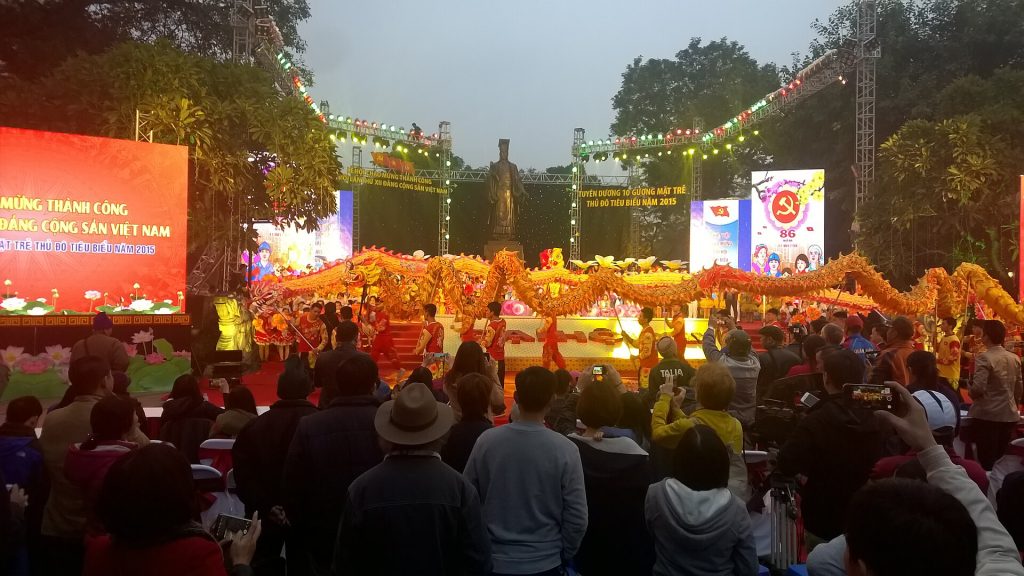
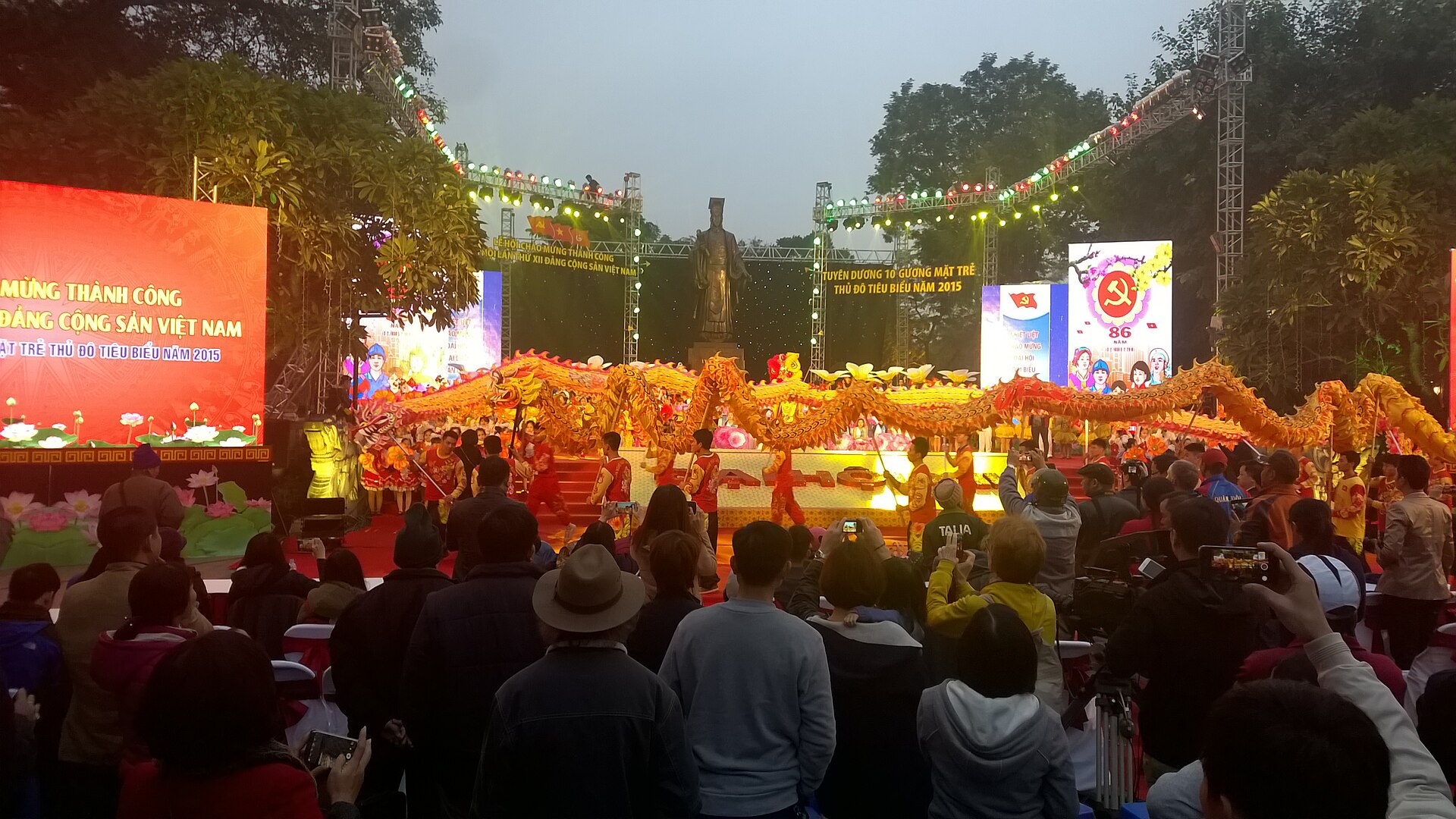
The drummers hit the first beat and the street goes quiet. A head the size of a bathtub lifts on aluminum poles, silk whiskers trembling, and the body follows — twenty meters of bamboo ribs and painted cloth rippling down the lane. Incense smoke curls around the performers’ ankles. This is not a show staged for tourists; it is a neighborhood waking up.
What the dragon actually is
Forget the fire‑breathing monster of Western cartoons. The Chinese dragon has no wings, breathes no flame, and lives in rivers, not caves. Its horns belong to a deer, its ears to a cow, its neck to a snake, its claws to an eagle, its scales to a carp. When the troupe lifts the puppet, they are not acting out a battle. They are coaxing a water spirit to rise, coil, and chase the pearl of wisdom — a red ball on a pole that the lead dancer teases just out of reach.
When you will see it
The biggest performances cluster around the Spring Festival, especially the first fifteen days of the lunar new year. Lantern Festival night — the fifteenth day — often brings the longest dragons, sometimes stretching past a hundred meters and requiring fifty carriers. But dragons also appear at temple fairs in the third lunar month, at harvest celebrations in the eighth month, and at shop openings year‑round. If you hear firecrackers and a steady double‑beat drum in a market alley, follow the sound.
How a troupe moves as one
Each dancer grips a pole attached to a segment of the dragon’s spine. The head carrier — usually the most experienced — decides every turn, every rise, every sudden dip. The tail follows seconds later, whipping wide like a rudder. A single shouted cue from the drummer — “Qi!” for rise, “Fu!” for crouch — snaps the whole line into sync. Watch the shoulders: veterans keep their upper bodies loose while their legs drive low, horse‑stance steps. Novices stiffen up after three minutes; the dragon then drags like a wet rope.
What the patterns mean
- “Chasing the Pearl” — the head lunges at the red ball, body spiraling behind. Represents the pursuit of wisdom.
- “Dragon Coils the Pillar” — the line wraps tight around a central pole, then explodes outward. Shows controlled power.
- “Dragon Crosses the Bridge” — performers step in figure‑eights, the body folding over itself without tangling. Tests teamwork.
- “Dragon Returns to the Sea” — a rapid retreat, head low, tail high, ending in a stacked pile of cloth. The spirit goes home.
Etiquette for a first‑time viewer
Stand clear of the turning radius — the tail swings wider than you expect. Never step over a pole laid on the ground; it is treated as part of the dragon’s spine. If a performer offers you a pinch of “dragon beard” candy pulled from the head’s whiskers, accept with both hands and eat it on the spot; it carries the troupe’s blessing. Do not hand red envelopes directly to the dancers while they are moving. Slip the packet to the drummer or the team leader during a pause. And keep your phone flash off; the strobe blinds the head carrier tracking the pearl.
Common mistakes that mark you as a newcomer
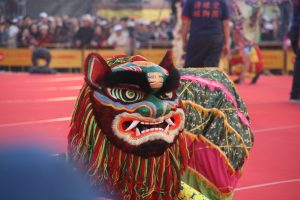
- Calling it a “lion dance.” Lions have two people inside a furry suit; dragons are poles and cloth, ten to fifty people outside.
- Asking “Where is the dragon’s tail?” while standing directly under it. The tail is the last pole — look for the carrier walking backward.
- Trying to grab the pearl prop for a selfie. The lead dancer will not break character, but the drummer will glare.
- Assuming every dragon is the same. Southern styles (Guangdong, Fujian) favor short, acrobatic dragons that leap onto benches. Northern styles (Hebei, Shanxi) build hundred‑meter processional dragons that flow like rivers.
- Leaving after the first five minutes. The opening salute is polite; the real stamina test — and the best photo moments — come in the middle when sweat soaks the carriers’ shirts.
If you want to try carrying a section
Many cultural centers in Guangzhou, Foshan, and Quanzhou run half‑day workshops before the Lantern Festival. You will start with a five‑meter “baby dragon” — PVC pipe ribs, nylon skin, weight about eight kilos. The coach teaches the basic walk: left foot forward, right pole up; right foot forward, left pole up. After an hour your forearms burn. The real lesson is not strength but listening — feeling the vibration travel down the pole from the head carrier’s wrist. If you can match that rhythm for ten minutes without the dragon collapsing, the troupe may invite you to hold a pole at the next temple fair. Wear flat shoes, bring a towel, and leave your watch at the hotel; the poles scratch crystal faces.