The old storyteller in the Wuzhou teahouse didn’t start with “once upon a time.” He set his bamboo clappers down, poured a cup of lukewarm jasmine, and said, “Before the First Emperor unified the weights and measures, before the Han sent envoys west, there was a cave chief named Wu in the southern hills.” The room smelled of dried tangerine peel and tobacco. He wasn’t performing for tourists. He was reminding the regulars—farmers, retirees, a couple of truck drivers—that the ground under their feet held the oldest Cinderella the world knows.
The Cave Where the Fish Lived
You don’t find Ye Xian in a palace. You find her in a limestone karst cave near the Vietnam border, where the Zuo River cuts through Guangxi. The Zhuang people still call the area Yexian Dong—Ye Xian’s Cave. I hiked there in the third lunar month, when the kapok trees bloom red as spilled cinnabar. The path climbs past sugarcane fields and a shrine where women tie red ribbons for fertility. Inside, the air is cool and smells of bat guano and wet stone. A natural pool reflects the stalactites. This is where the magical fish—her only friend—lived before the stepmother killed it and served it for dinner.
Bones That Talk
The Tang dynasty scholar Duan Chengshi wrote the tale down around 850 CE in Miscellaneous Morsels from Youyang, but the Zhuang and Yao elders will tell you the story is older than paper. The fish bones are the engine of the plot. After the stepmother cooks the fish, a mysterious old man—sometimes a sky spirit, sometimes an ancestor—tells Ye Xian to bury the bones under her bed. When she needs clothes for the cave festival, she prays to the bones. Silk robes appear. Golden slippers appear. The slippers are tiny, woven from gold thread, scaled for a woman who never walked on bound feet. That detail matters. Foot binding came centuries later. Ye Xian’s feet were natural, strong from climbing karst paths.
The Festival on the Third Day of the Third Month
The climax happens at the Sanyuesan festival, the third day of the third lunar month. Young Zhuang men and women still gather on hillsides to sing antiphonal songs—call and response, flirtation disguised as poetry. Ye Xian goes in her bone-gifted finery. She loses a slipper fleeing the stepmother’s recognition. A neighboring chief finds it. No glass here. Gold. He holds a “slipper test” at his court. Only Ye Xian can wear it. The bones produce her wedding dowry: treasure chests, servants, a retinue. The stepmother and stepsister are crushed by falling stones in their cave—a local justice, not a royal pardon.
What a Visitor Sees Today
If you go to Wuzhou or Hezhou in the third lunar month, you won’t see a theme park. You’ll see:
- Elders in indigo headscarves recording songs on smartphones.
- Five-color glutinous rice dyed with maple leaves, gardenia, and violet plant juice—eaten at the festival to honor ancestors.
- Bronze drums, some two thousand years old, beaten in rhythm for the dancing.
- A cave shrine with incense sticks burning before a simple statue: a girl, a fish, a pile of bones.
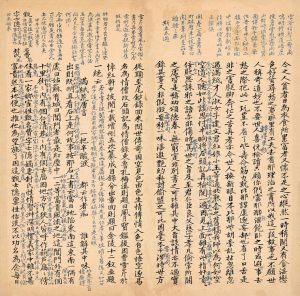
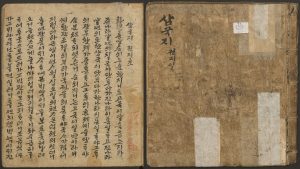
Don’t ask for the “original manuscript.” It’s in a Beijing library. Ask instead for the version sung in Zhuang dialect. The melody is pentatonic, the lyrics improvised. Each singer adds a line: the fish’s sorrow, the stepmother’s greed, the sound of gold slippers on stone.
Mistakes Newcomers Make
- Expecting a Disney castle. The setting is karst mud, wood smoke, and river reeds.
- Thinking the golden slippers mean wealth. They mean fit. The chief tests character, not shoe size.
- Visiting in the wrong season. The story lives in the third lunar month. Come in autumn and the cave is just a cave.
- Photographing the shrine without bowing. The old women notice. They’ll still share their rice, but you’ve marked yourself as someone who watches instead of listens.
How to Carry the Story Home
Buy a pair of hand-embroidered Zhuang cloth shoes in the market—blue cotton, silver thread, soft soles. Not the slipper. The working shoe. Wear them on your own stone paths. When someone asks where you got them, don’t say “a fairy tale.” Say: “A place where a girl fed a fish, buried its bones, and walked out of a cave on her own two feet.” That’s the version the Zhuang tell. The bones are still under the bed, waiting for the next person who knows how to ask.