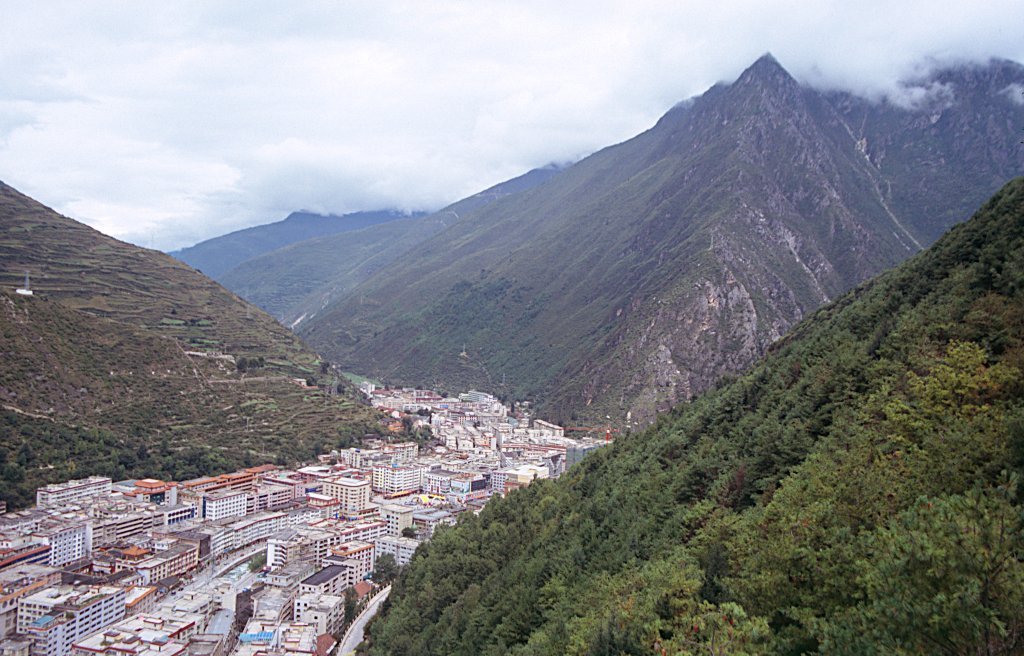
The minibus from Chengdu had been climbing for six hours when the driver slammed on the brakes at a roadside checkpoint. Snow dusted the guardrails. A young officer leaned in, checked my passport, and waved us through without a word. Ten minutes later the valley opened up: a river the color of weak tea cutting between steep slopes, prayer flags snapping above a cluster of concrete towers and wooden storefronts. Kangding sits at 2,600 meters, high enough that the air feels thin on the first flight of stairs, low enough that you can still find a hot bowl of hand‑pulled noodles at midnight.
Getting There Without Losing a Day
Most travelers arrive from Chengdu. The fastest option is the morning flight from Shuangliu or Tianfu airports — forty minutes in the air, then a twenty‑minute taxi from Kangding Airport to the city center. Flights get canceled when clouds hug the peaks, so keep a buffer day if your onward schedule is tight. The cheaper, more reliable route is the highway. Buses leave Chengdu’s Xinnanmen and Chadianzi stations every hour from dawn until early afternoon. The ride takes seven to nine hours depending on traffic and landslide clearance. Book a seat on the larger “luxury” coaches; the smaller vans stuff luggage into the aisle and stop at every village tea house. If you prefer wheels under your own control, hire a private driver in Chengdu for the day. The road (G318) is paved the whole way, but the hairpin turns above Luding demand a steady hand.
Altitude: The First Forty‑Eight Hours
At 2,600 meters most people feel a mild headache, a faster pulse, and a thirst that water alone cannot quench. The mistake is to treat Kangding like a lowland city — rushing to the cable car, hiking to the glacier park, drinking baijiu with new friends. Instead, plan a “zero day.” Check into a guesthouse with a view of the river, prop the pillows up, and sleep. Sip butter tea or hot ginger water every hour. Eat light: rice porridge, steamed buns, boiled eggs. Avoid alcohol and heavy meat for the first night. If the headache sharpens behind the eyes or you wake gasping, descend to Luding (1,300 meters) — it’s only ninety minutes down the highway. Pharmacies in Kangding sell portable oxygen canisters and rhodiola capsules; they help, but they are not a substitute for time.
Where to Sleep: River Noise vs. Temple Bells
The city stretches along the Dadu River. The north bank, near the bus station and the cable‑car base, is louder — tour groups, karaoke, trucks downshifting on the bridge. The south bank, a five‑minute walk across the pedestrian suspension bridge, holds the older Tibetan quarter. Here the lanes smell of yak butter and incense. Family‑run guesthouses occupy two‑story wooden buildings with balconies that overlook the water. A double room with a private bathroom and a heater costs roughly 150 to 300 yuan in the shoulder seasons; prices double during the summer biking influx and the Lunar New Year holiday. Ask the owner for a room on the second floor — ground‑floor windows face the street dogs that bark at every passing motorcycle.
Food That Warms the Blood
Kangding’s cuisine sits at the intersection of Sichuan pepper heat and Tibetan butter richness. Breakfast is usually a bowl of thukpa — hand‑rolled wheat noodles in a clear broth with shredded radish, cilantro, and a spoonful of chili oil. Lunch might be a plate of yak meat stir‑fried with green peppers, garlic, and a handful of dried chili flakes; the meat is lean, slightly sweet, and chews longer than beef. Dinner often ends with a communal hot pot: a split pot, one side fiery red with doubanjiang and Sichuan peppercorns, the other milky white with yak bone broth, goji berries, and slices of lotus root. Vegetarians can order the mushroom‑tofu version, but confirm the broth base — many places use beef stock by default.
- Home‑style thukpa (serves two)
- 200 g fresh wheat noodles (or dried pulled noodles)
- 1 liter chicken or vegetable stock
- 100 g white radish, julienned
- 2 spring onions, sliced
- 1 tbsp chili oil (Sichuan style)
- 1 tsp light soy sauce
- Handful of cilantro, chopped
- Salt to taste
- Bring stock to a gentle boil. Add radish and cook two minutes.
- Drop in noodles; stir once to separate. Cook until just tender, about three minutes for fresh, five for dried.
- Ladle into bowls. Top with spring onions, cilantro, chili oil, and soy sauce. Serve immediately.
In restaurants, point to the picture menu or say “wo yao yi wan thukpa” (I’d like a bowl of thukpa). If you want less oil, add “shao you.” Portions are generous; one bowl plus a side of cold cucumber salad feeds a hungry hiker.
Things to Do: Cable Car, Glacier Park, and the Tea Horse Road
The Paoma Mountain cable car departs from the north bank every twenty minutes. The gondola climbs 1,000 meters in ten minutes, depositing you at a viewing platform where the Gongga massif pierces the horizon on clear days. A wooden boardwalk circles the summit; allow forty minutes for a slow loop with photo stops. The ticket includes round‑trip; buy at the booth, not from scalpers near the bridge. In summer, the line can stretch an hour — arrive before 9 a.m. or after 4 p.m.
Mugecuo Glacier Park lies thirty kilometers west. A minibus from the Kangding tourist center (next to the main square) runs hourly in peak season; the ride winds through rhododendron forests and past a steaming hot‑spring pool where locals soak their feet. The park’s centerpiece is a turquoise alpine lake fed by meltwater. A boardwalk skirts the shore; the full circuit takes two hours at a leisurely pace. Bring a windproof jacket — temperature at the lake can be ten degrees cooler than in town. There are no shops inside; pack water and snacks.
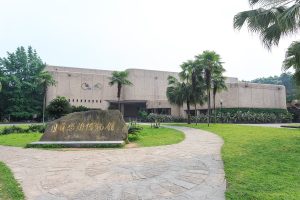
The Tea Horse Road memorial sits on the south bank, a stone archway flanked by bronze statues of a Tibetan porter and a Han merchant. The adjacent museum displays salt bricks, tea bricks, and a map of the ancient caravan routes. Entry is free. Spend twenty minutes reading the captions; they explain why Kangding became the place where tea from the south met horses from the north. Afterward, walk the old street behind the museum — wooden doors, copper kettles, and the smell of roasting barley.
Hot Springs: Public Pool vs. Wild Soak
Two kilometers north of the city, the Erdaoqiao hot‑spring complex offers indoor pools, private tubs, and a large outdoor pool fed by a 60 °C spring. The water smells faintly of sulfur. Locals come after work, families on weekends. A two‑hour soak costs about 80 yuan; bring your own towel and flip‑flops. For a quieter experience, hike thirty minutes up the valley trail behind the complex to a series of natural rock pools. The water is cooler, the setting silent except for the river. No changing rooms — wear your swimsuit under your clothes and dry off in the sun.
Local Etiquette: What Not to Do
Prayer wheels turn clockwise. Walk around stupas and mani piles in the same direction. Do not step on the threshold of a Tibetan home or monastery doorway. When a monk offers a blessing scarf (khata), accept with both hands and drape it over your shoulders — do not put it in your pocket. Photography inside chapel halls is usually forbidden; ask first. In markets, bargain gently — vendors expect a 10‑15 % discount, not half price. And never point the soles of your feet toward a shrine or an elder; sit cross‑legged or tuck your legs to the side.
Seasonal Rhythm: When to Be Here
Late spring (the third lunar month) brings rhododendron blooms on the slopes above Mugecuo. Summer (fourth to sixth lunar months) is the biking season — hundreds of cyclists pedal the G318 from Chengdu to Lhasa, filling guesthouses and raising dust on the passes. Autumn (seventh to ninth lunar months) offers the clearest skies; the Gongga peaks show their full white crowns against blue. Winter (tenth lunar month through the new year) is bitter — temperatures drop to minus fifteen at night, the cable car runs on a reduced schedule, and many Tibetan families migrate to lower valleys. If you come in winter, confirm your accommodation has reliable heating and stock up on instant noodles; restaurants close early.
Leaving: The Road West
Kangding is the last sizable town before the high passes of the Sichuan‑Tibet highway. Buses to Litang, Daocheng, and Yading depart from the west station at 7 a.m. and 1 p.m.; the ride to Litang (4,000 meters) takes six hours on a good day. Shared jeeps leave when full from the lot behind the bus station — faster but cramped. If you’re heading back to Chengdu, the morning bus gets you there before dark. Keep your passport handy; there are two more checkpoints before the prefecture boundary. And when the bus crests Zheduo Pass at 4,298 meters, press your forehead to the cold glass — the world below looks like a crumpled map, and you’ll understand why travelers have paused in this valley for centuries.