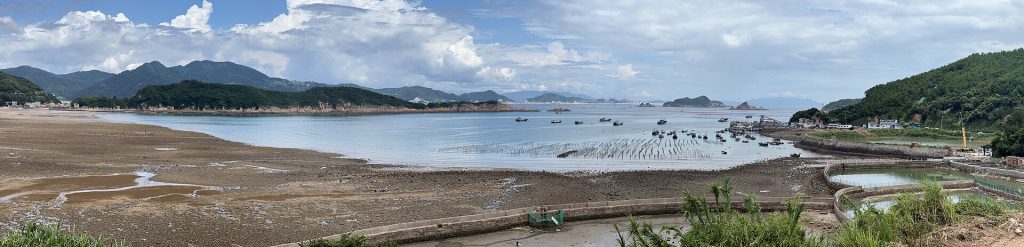
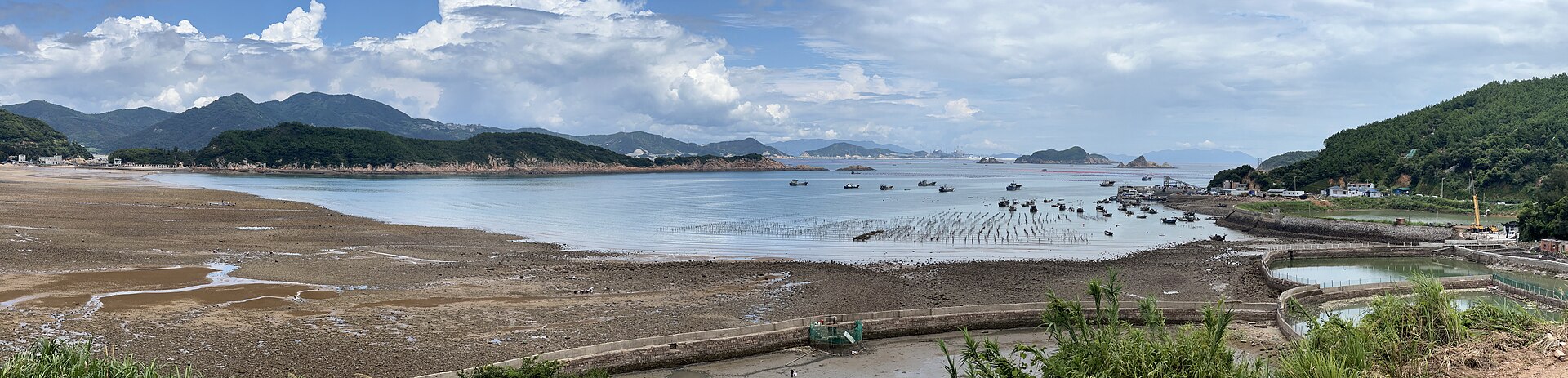
The minibus rattles to a halt on a crushed-shell track somewhere between Beiqi and Xiaohao. Dawn is still a gray smudge on the horizon. I pull on rubber boots, shoulder the tripod, and step onto the wet flats. The mud sucks at my soles with a wet pop. Ahead, bamboo poles march in perfect rows toward the water, each one strung with nets heavy with laver. An old man in a straw hat poles a flat-bottomed boat through the shallows, his silhouette clean against the pale sky. This is why photographers fly into Fuzhou, drive three hours north, and wake at 4 a.m.: the mudflats of Xiapu deliver geometry, light, and human rhythm in a single frame.
Reading the Tide Table Like a Local
Everything here orbits the lunar calendar. Spring tides around the new and full moon pull the water far out, exposing kilometers of patterned mud — ideal for wide aerial compositions of the bamboo grids. Neap tides keep the water high; the poles vanish, but you gain mirror reflections of the hills at sunrise. I keep a printed tide chart from the Ningde Marine Bureau taped to my dashboard, but the boat captains know the cycles by heart. Ask your guesthouse host to circle the “big water” days in red ink. Arrive at the shooting site ninety minutes before low tide; the best textures appear as the surface drains and the sun hits the ridges at a low angle.
Core Shooting Zones and What They Give You
Each village stretch has a visual signature. Beiqi delivers the classic “forest of poles” at sunrise — rows upon rows converging to a vanishing point. Xiaohao, ten minutes south by motorbike, serves sunset with fishermen wading chest-deep, harvesting kelp against backlit spray. Yangjiaxi, inland along a river valley, trades mud for mist: terraced tea gardens, wooden footbridges, and elderly women sorting leaves in doorways. Shuangxi adds red-roofed houses reflected in still water. Dongchong and Yantian are working harbors; trawlers return at mid-morning, decks piled with silver ribbonfish, and the dockside chaos is pure street photography. Pick two zones per day — one for dawn, one for dusk — and use the harsh midday light to scout, nap, or eat.
Getting There and Moving Around
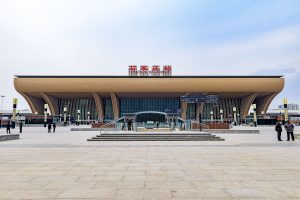
Fly into Fuzhou Changle International Airport. A pre-booked private car takes three hours up the G15 expressway, then county roads that hug the coast. High-speed rail to Ningde Station cuts the drive to ninety minutes; from the station forecourt, shared minivans depart for Xiapu County town every twenty minutes. Once in the county, the mudflat villages are strung along the S201 coastal road. Renting an electric scooter (about eighty yuan a day) lets you chase light between Beiqi and Xiaohao without waiting for the infrequent village buses. For Yangjiaxi, hire a local driver — the mountain switchbacks are steep, and the last kilometer is a concrete track that bottoms out low-clearance sedans.
Where to Sleep and Eat Without Tourist Menus
Stay in a family-run guesthouse in Beiqi or Xiaohao. Rooms are simple — tiled floor, air-conditioning, hot water — and the host will wake you with a thermos of tea before first light. Dinner arrives on a lazy Susan: steamed mantis shrimp still twitching, laver omelet fringed with crisp edges, garlic-smashed clams in broth, and a bowl of rice scented with dried scallop. Don’t order from a laminated menu; point at the live tanks by the kitchen door. Breakfast is usually congee with pickled mustard greens and a plate of fried dough sticks. If you crave coffee, the county town has a couple of cafés that roast their own beans; the villages do not.
Gear Choices and Field Habits
- Wide zoom (16–35 mm equivalent) for the pole grids and harbor panoramas.
- Medium telephoto (70–200 mm) to compress the wading fishermen and isolate net patterns.
- Circular polarizer — cuts glare on wet mud and deepens the sky.
- Graduated ND filter or bracket exposures for sunrise gradients.
- Carbon-fiber tripod with spiked feet; the mud is soft and the wind off the Taiwan Strait is steady.
- Microfiber cloths and a rocket blower — salt spray coats front elements in seconds.
- Dry bags for everything; a zip-lock bag for the phone and tide chart.
- Headlamp with red mode for pre-dawn setup without ruining night vision.
I shoot raw, expose to the right, and bracket three stops when the sun breaches the horizon. After each session I rinse tripod legs with fresh water from a jug in the car — salt corrodes aluminum threads fast.
Common Missteps and How to Avoid Them
- Arriving at low tide instead of before it — the mud dries, cracks, and loses its sheen within thirty minutes of full exposure.
- Wearing sneakers or hiking boots; they suction off in knee-deep mud. Knee-high PVC aquaculture boots (sold at any county hardware shop for thirty yuan) are the only footwear that works.
- Ignoring the fishermen’s space. They are working, not posing. Stay ten meters back, use the long lens, and never step on the laver nets — one torn net costs a week’s wages.
- Packing only a single battery. Cold, damp mornings drain lithium cells; carry three spares in an inner pocket.
- Assuming the “golden hour” lasts an hour. At this latitude in autumn, the sweet light window is twenty minutes. Have compositions pre-visualized and tripod planted.
- Skipping the inland day. The mudflats repeat visually after two dawns; Yangjiaxi’s mist and tea terraces reset the portfolio.
On my last morning, the tide was late. Mist clung to the poles, and the old man in the straw hat didn’t appear. I waited, boots sinking deeper, until a single cormorant landed on a bamboo stake — a black brushstroke on gray. The shutter clicked once. That frame, unplanned, hangs on my wall. Xiapu rewards patience more than planning; the mudflats write their own scripts, and you just need to be standing in the right mud at the right hour.