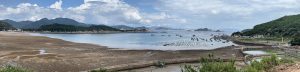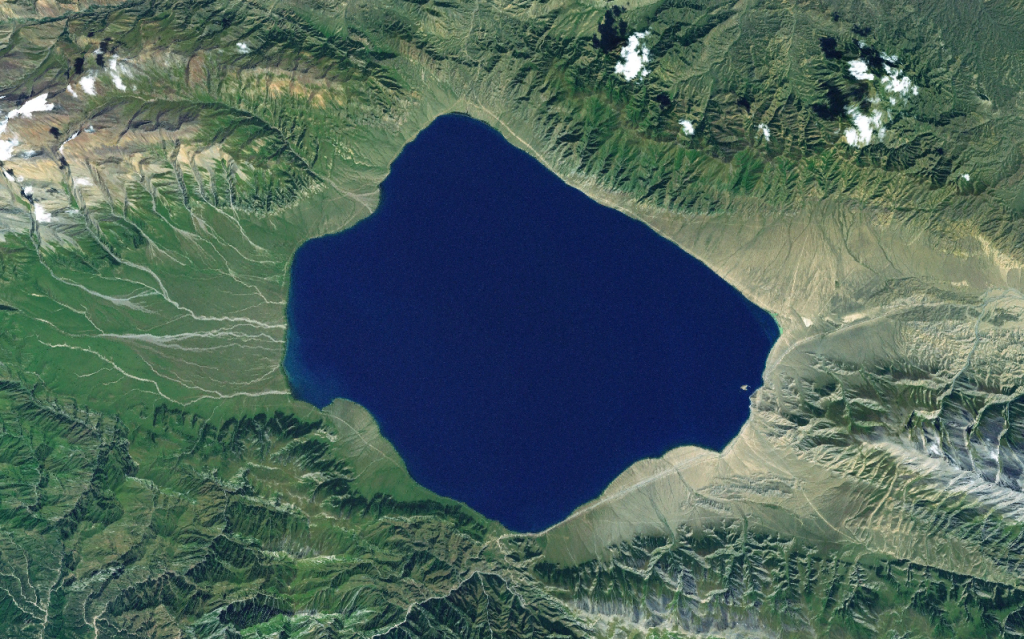
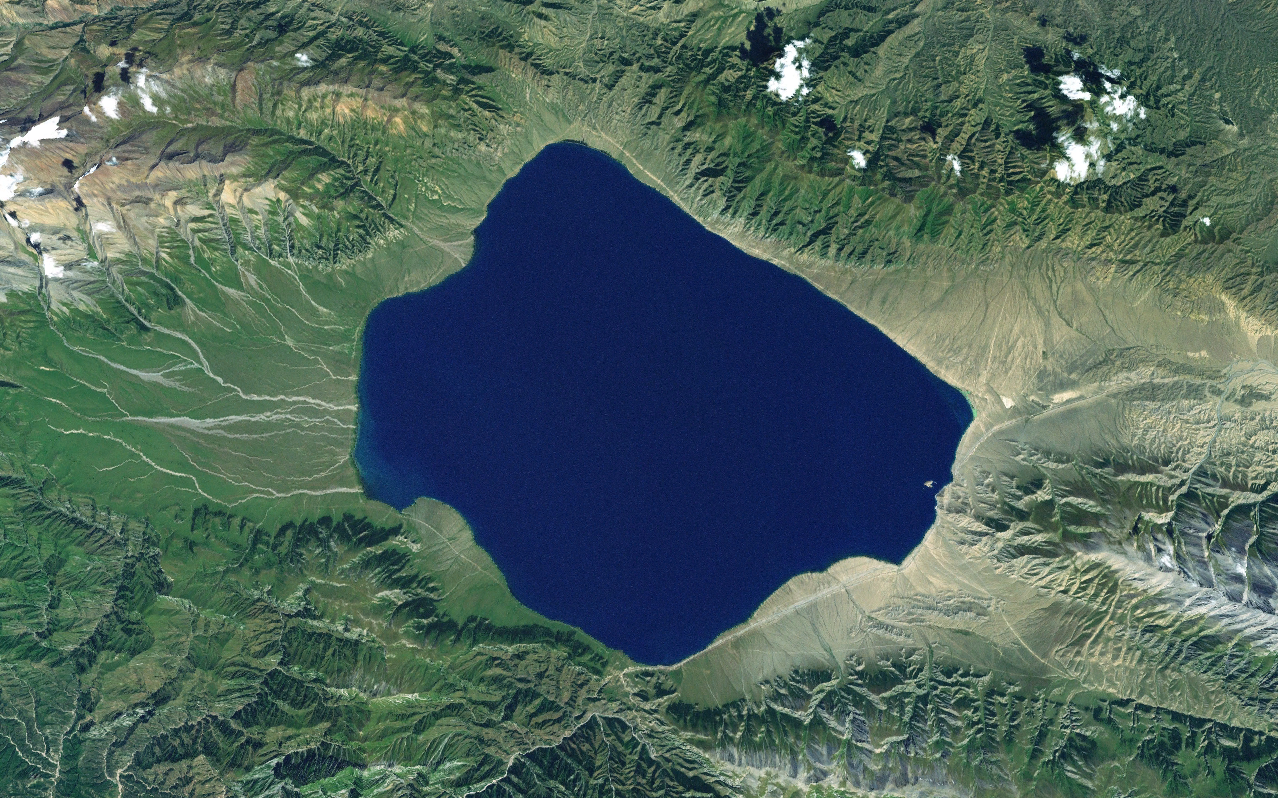
The minibus shuddered to a halt on the gravel shoulder of the G30, the diesel engine coughing as the driver killed the ignition. Through the open door, the air hit different—thinner, scented with wet grass and horse manure, carrying a bite that reminded me the lake surface sits above two thousand meters. A Kazakh herder on a dun-colored horse watched us unload, his face weather-lined against wind I couldn’t yet feel. No ticket booth, no turnstile, just a faded blue sign and the water stretching toward mountains still holding snow in their creases.
When the Lake Wakes Up
June through September is the only window that makes sense. Before that, the pass from the G30 can still hold ice in the shaded curves, and the yurt camps stay folded in Yili Town. After National Day in early October, the temperature drops hard—nighttime lows dip below freezing, and the hop-on bus stops running. July and August bring the wildflower bloom: yellow potentilla, blue irises, purple asters carpeting the meadows right up to the shoreline. That’s also when Kazakh families move their herds up from the valleys, so you’ll see smoke rising from stove pipes in felt yurts before you see the structures themselves. Mid-week in late June is the sweet spot—flowers peaking, weekend crowds from Urumqi still thin, and the water a color I can only describe as crushed lapis.
Getting There Without Losing a Day
From Urumqi, the G30 expressway rolls northwest for seven to nine hours depending on traffic at the toll plazas and how many times you stop for naan and yogurt at the service areas. The road climbs through the Dzungarian Basin, then switchbacks up into the Borohoro Mountains before dropping you at the lake entrance. If you’re coming from Yining (Ghulja), it’s a straightforward two-hour drive west on the same expressway—exit at the Sayram Lake interchange, follow the signs for the scenic area. The old G312 national highway runs parallel and makes a prettier drive if you have time: poplar-lined, passing through small Kazakh villages where drying apricots hang from eaves.
- Rent a SUV in Urumqi or Yining—ground clearance matters on the lakeside dirt tracks.
- Shared taxis wait at Yining’s long-distance bus station; expect to pay per seat, not per vehicle.
- No direct train station at the lake. The nearest railhead is Bole (Bortala), then a 40-minute taxi.
- Fuel up before leaving the expressway; the last reliable station is at the Jinghe service area.
Moving Around the Shore
The hop-on hop-off bus is the only public transport looping the 60-kilometer perimeter. It departs from the main gate every half hour until early evening—Beijing time, so 6 p.m. here feels like late afternoon. Wave your hand like you’re hailing a cab in Shanghai; the driver will pull over on the gravel. Fifteen stops total, each marked with a wooden post and a number. Buy a day pass at the gate kiosk, keep the ticket tucked in your pocket for reboarding. The bus doesn’t run in the off-season, and even in summer it can fill up with Chinese tour groups by 10 a.m. If you want dawn light on the water for photography, you need your own wheels or a bicycle rented from the vendor near stop three.
What You Actually Do Here
Walk the boardwalk at stop five where it curves over the reed beds—marsh warblers stitch the air with song, and if you’re patient, a ruddy shelduck pair will shepherd ducklings across the shallows. Hire a horse from the Kazakh family camped near stop eight; they’ll lead you up the ridge behind the lake for a view that takes in the whole crescent, the highway a thin gray stitch far below. Picnic on the pebble beach at stop twelve: buy smoked kazakh sausage, fresh nan, and a block of salty white cheese from the woman tending the yurt—she’ll slice it on a wooden board with a knife that’s seen generations. Swim only if you’ve acclimated; the water stays glacier-cold even in August. I watched a guy from Guangzhou sprint in and sprint out in thirty seconds, skin gone mottled purple.
Sleeping Under the Felt
The yurt camps operate on a first-come basis from June to September. Each family runs their own cluster—five to eight yurts around a central fire pit, shared latrines dug behind a screen of canvas. No booking platform, no phone number that always works. Drive the loop, spot smoke, pull over, negotiate with the matriarch. Expect to pay around 150 to 200 yuan per person including dinner and breakfast: mutton stew with hand-pulled noodles, milk tea salted and buttered, yogurt so thick a spoon stands upright. Bring your own sleeping bag liner; the provided quilts are heavy wool but the sheets have seen many travelers. Power is a car battery and a solar panel—charge your phone during dinner while the generator runs. No shower. A basin of cold water and a towel behind a curtain is the extent of it.
Mistakes That Cost You Comfort
- Arriving after 5 p.m. without a tent—the last bus leaves the gate at 6, and yurt families stop accepting guests once the milk tea kettle is empty.
- Wearing city sneakers on the lakeshore trails; the ground is wet peat and sharp limestone that shreds soft soles.
- Assuming card payment works anywhere. Cash only, small denominations. The nearest ATM is back at the expressway service area.
- Drone flying without checking the day’s restriction—border proximity means sudden no-fly zones the park staff won’t explain, just enforce.
- Skipping altitude precautions. Headaches hit hard at 2,070 meters if you drove up from Urumqi in one push. Spend the first afternoon walking slow, drinking water, skipping the baijiu.
The herder on the dun horse was still there when we loaded back into the minibus, tracking us with eyes that had measured a thousand departures. The lake didn’t need a ticket booth or a souvenir shop to matter. It just needed the wind off the water, the smell of dung smoke, and the knowledge that tomorrow the yurts would fold, the families would ride down to the valleys, and the shore would belong to the birds again until the next summer.