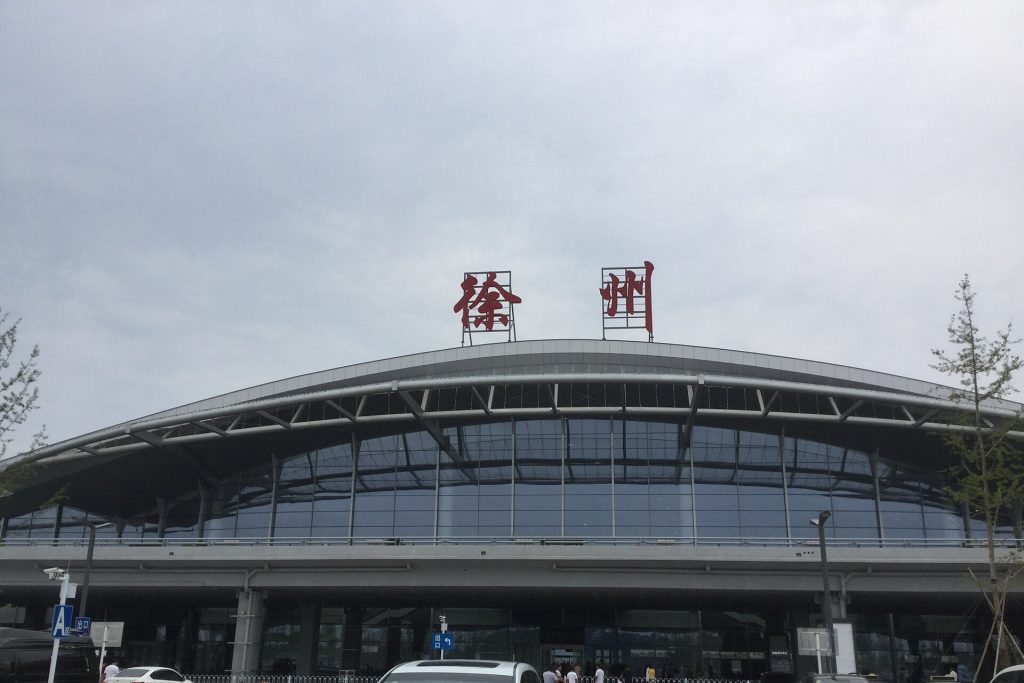
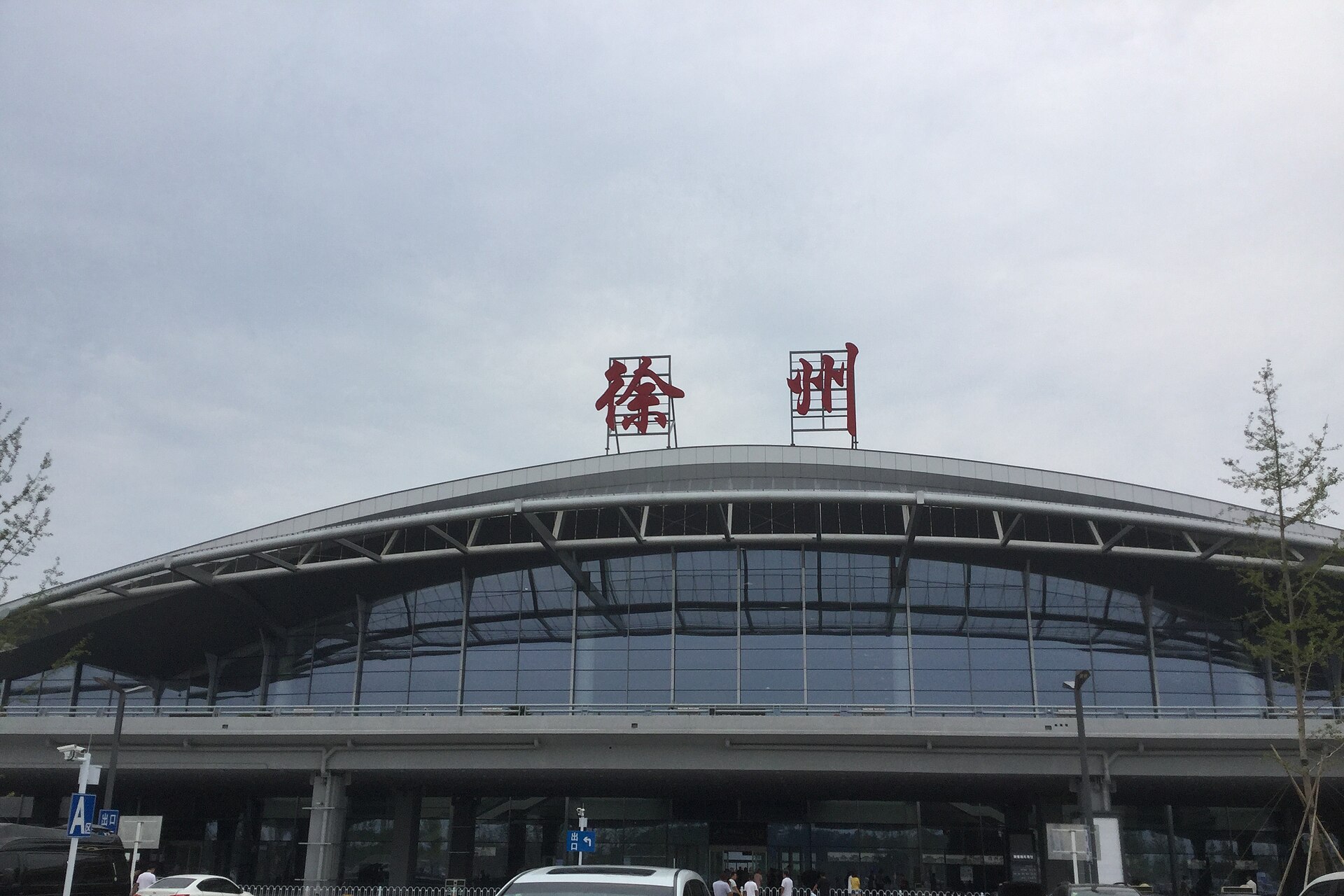
The train hisses to a halt and the platform fills with the smell of steamed buns and diesel. You step down onto the tiles of Xuzhou Station, luggage in hand, and the first thing you notice is the clock tower looming over the square — its face glowing against a sky that has already turned the color of bruised plum. A vendor shoves a paper bag of hot shaobing toward you, sesame seeds cracking between your fingers. This is the northern gate of Jiangsu, where the accent thickens and the noodles get wider.
Getting There Without Landing in Suzhou
Buy your ticket at the machine or the counter and hold the characters 徐州 up to the glass. The clerk will nod. Say “Suzhou” by accident and you will wake up in a canal town two hours east of Shanghai, wondering why the terracotta warriors never showed up. High‑speed G‑trains slice the Beijing–Shanghai line in four and a half hours from either end; the older D‑trains take six. Overnight sleepers still rumble through if you prefer to wake up already there. The station sits just east of the old city — walk out the north exit, cross the plaza, and you are on Jiefang Road with the Drum Tower two blocks ahead.
Moving Around the Grid
Xuzhou spreads on a north‑south axis that makes orientation easy. City buses numbered in the teens run the main arteries; the 1, 3, and 11 connect the station, the museum, and the lake. A single ride costs one yuan cash or a tap of your transport card. Taxis start at eight yuan and the meter climbs slowly — most trips across town stay under thirty. Didi works, but drivers often cancel short hops during rush hour. If you like two wheels, the blue shared bikes unlock with Alipay; the lanes along the old moat are flat and shaded by plane trees.
Where to Drop Your Bag
Three neighborhoods cover most visitors. Around the Drum Tower (鼓楼) you find chain hotels and a clutch of alleys that still sell hand‑pulled noodles at midnight. South of the moat, near Yunlong Lake (云龙湖), the mid‑range places have balconies that catch the sunrise over water — good if you plan morning runs. Budget travelers gravitate to the youth hostel on Huaihai Road, a converted courtyard house where the owner leaves a pot of tea on the communal table. Book a week ahead during the spring lantern festival; rooms vanish fast.
Two Days on Foot
Start at the Xuzhou Museum (徐州博物馆) before the tour groups arrive. The Han dynasty jade burial suits lie in dim cases, each plaque wired with gold thread. Allow ninety minutes. Walk west to the Western Han Terracotta Army (西汉兵马俑) — smaller than Xi’an but you can stand inches from the kneeling archers, their fingerprints still visible in the clay. Lunch at the stall behind the site: a bowl of su tang (酥汤), clear broth thickened with millet, topped with shredded tofu skin and a spoon of chili oil.
Afternoon, rent a bike and circle Yunlong Lake counter‑clockwise. The path passes the Confucian Temple, its cypress courtyard smelling of incense and rain. Climb the hill to the TV tower for the city panorama — red tiles, gray blocks, the Yellow River bridge stitching the horizon. Dinner on Hubin Road: order the bazi rou (扒子肉), pork belly braised until the fat trembles, served with steamed buns that soak the sauce.
Day two, take bus 11 to the Pan’an Lake Wetland Park (潘安湖湿地公园). Boardwalks thread through reeds where egrets stalk. In late autumn the water turns mirror‑still and the migratory geese write calligraphy across the sky. Pack a thermos and sit on the observation deck; the only sound is wind in the cattails. Return via the old city wall gate at Tongshan — bricks stamped with the names of Ming kilns. Finish with a bowl of liangpi (凉皮) from the cart near the gate: cold wheat ribbons, cucumber matchsticks, garlic vinegar, chili oil, sesame paste. Eat standing, slurping, watching the delivery scooters zip past.
What Locals Expect (And What Trips You Up)
People here speak fast and loud; it sounds like arguing but it’s usually laughter. When a stranger offers a sip of baijiu at a communal table, take the glass, touch the rim to your lips, and set it down — refusing outright can seem rude. Tipping does not exist; the bill is the bill. Queue lines at the train station dissolve into a wedge; plant your feet, keep your bag forward, and move with the surge. Public toilets rarely stock paper — carry a packet. And if you ask for “Xuzhou food” in a restaurant, the waiter will stare. Name the dish: bazi rou, shaobing, su tang, liangpi. The menu is in your head, not on the wall.
Seasonal Rhythms
Spring arrives with the lantern festival on the fifteenth day of the first lunar month — the lake shore glows with paper lotuses and the air smells of sugar‑coated hawthorn sticks. Summer brings thunderstorms that flood the underpasses; carry a plastic bag for your shoes. Autumn is the sweet spot: crisp mornings, golden ginkgo leaves on the university avenues, and the Mid‑Autumn moon rising over the city wall. Winter bites — temperatures drop below freezing and the wind cuts across the plain — but the indoor hot‑pot halls stay open past midnight, their broth red with peppercorns and beef tallow.
Mistakes That Cost Time
- Confusing Xuzhou (徐州) with Suzhou (苏州) on the ticket screen — always verify the characters.
- Assuming the terracotta army site opens at the same hour as the museum; it often opens thirty minutes later.
- Taking a taxi from the station to the lake during the evening rush — the bridge backs up for forty minutes. Walk or bike the moat road instead.
- Ordering “spicy” without specifying Sichuan pepper versus dried chili; the default here is chili heat, not numbing.
- Leaving your passport at the hotel front desk for “safekeeping” — police spot‑checks at internet cafés and train gates require the original on you.



