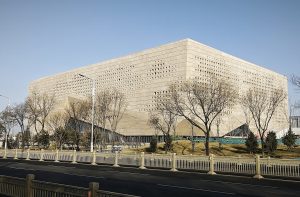
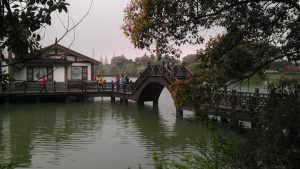
The night ferry cuts across the Yuan River just as the streetlamps along the Poetry Wall flicker on. Three kilometers of carved stone glow amber against the water, each panel holding a verse from a dynasty that fell centuries ago. I lean on the rail, watching the characters catch the light — Li Bai, Du Fu, anonymous farmers who scratched their grief into bamboo — and the current carries the smell of chili oil and river mud toward the dock. This is Changde at its most honest: a working city that decided to turn its flood defense into a library without walls.
Getting There Without a Headache
Changde Taohuayuan Airport sits about twenty minutes west of the city center by taxi. Flights connect from most major hubs — Beijing, Shanghai, Guangzhou, Chengdu, Kunming — but schedules thin out after the autumn holiday. If you land on a late flight, the official airport shuttle stops running; grab a ride-hail car or negotiate a flat rate with the drivers waiting at the curb. The high-speed rail station, Changde Railway Station, links to the Changsha–Yiyang–Changde line. Trains from Changsha South take just over an hour. From the station, bus 12 or 18 drops you near the Poetry Wall in fifteen minutes. Drivers on the G55 Erenhot–Guangzhou Expressway or National Highway 207 will see signs for the urban area once they cross the Yuan River bridge; parking near the wall is easier on the Dingcheng side before the evening crowds arrive.
Walking the Poetry Wall at the Right Hour
The wall stretches from the Hejie Gate in the east to the Liuye Lake scenic area in the west. Most tourists cluster at the central section near the municipal government building, where the calligraphy panels are largest and the lighting is best. Arrive at dawn if you want the stones to yourself — joggers, tai chi groups, and an old man feeding pigeons are the only company. By mid-morning, tour buses unload school groups who recite verses into microphones. The western stretch, past the Yuan River Bridge, is quieter. There, the poems shift from Tang grandeur to Song dynasty ci lyrics about parting lovers and cold wine. Bring a small stool if you plan to sit and read; the stone benches fill fast. Wear shoes with grip — the river humidity slicks the engraved surfaces after rain.
Eating Where the Locals Queue
Changde cuisine sits at the intersection of Hunan heat and Dongting Lake freshwater sweetness. The signature dish, Changde rice noodles (常德米粉), arrives in a bowl of clear beef broth so pale you can see the bottom. The noodles themselves are hand-pulled that morning, slick and springy. Toppings vary by stall: pickled long beans, crushed peanuts, cilantro, a spoonful of chili oil that blooms red on the surface. Order “dry tossed” (干拌) if you want the sauce clinging to each strand without soup. A second bowl costs half price at most shops.
- Rice noodles (fresh, hand-pulled)
- Beef bones, simmered six hours
- Pickled long beans
- Roasted peanuts, crushed
- Cilantro
- Chili oil (homemade, not bottled)
- Soy sauce, dark vinegar, white pepper
To approximate it at home: soak dried rice noodles in warm water until pliable, then blanch ten seconds. Heat broth with a slice of ginger and a splash of Shaoxing wine. Toss noodles in a mix of soy sauce, vinegar, chili oil, and a pinch of sugar. Top with peanuts, beans, and cilantro. The broth stays on the side.
Beyond noodles, look for steamed fish head with chopped chili (剁椒鱼头) at lakeside restaurants near Liuye Lake. The fish comes from the lake that morning; the chili paste is fermented in clay jars for months. Order a side of stir-fried lotus root slices — crisp, slightly sweet, threaded with chili threads. Avoid the “tourist set menus” advertised with English menus near the Poetry Wall entrance; they reheat pre-made portions. Instead, follow the delivery drivers to the alley behind the Wuling District government compound. A plastic stool and a bowl of noodles there cost a fraction of the riverfront price and taste like the city actually eats.
Sleeping Near the Water
Three zones make sense for a first stay. The Poetry Wall corridor (Wuling side) puts you steps from the verses and a ten-minute walk to the night market on Hejie Street. Hotels here range from business chains with reliable hot water to a few boutique courtyards converted from republican-era shophouses — book the ones with river-facing balconies early. The Liuye Lake area, ten kilometers west, feels like a resort: wide bike paths, lotus ponds in summer, and larger hotels with pools. It’s quieter at night, so bring a bike or rely on ride-hails. Dingcheng District, across the bridge, offers the cheapest beds. Guesthouses above noodle shops on Renmin Road cost little and wake you to the sound of dough being slapped against a marble slab at five in the morning. Wherever you stay, ask the front desk for a paper map marked with the “night snack alleys” — the digital maps miss half of them.
What Newcomers Get Wrong
First, they treat the Poetry Wall as a checklist. They snap a photo of the Guinness plaque, walk two hundred meters, and leave. The wall rewards slowness — the panels change theme every few hundred meters: frontier poems, farming songs, drinking games. Second, they assume Changde is only a day trip from Changsha. The city holds enough for three slow days: the wall, Liuye Lake at sunset, the Taohuayuan scenic area (the “Peach Blossom Spring” of Tao Yuanming’s fable) an hour north by bus, and the tea houses on Hejie Street where old men play xiangqi under ceiling fans. Third, they order “mild” at restaurants. Hunan cooks interpret that as “less chili,” not “no chili.” If you truly cannot handle heat, say “bu yao la” (不要辣) and point to the clear broth noodles. Fourth, they skip the morning market at the intersection of Yuanjiang Road and Dongting Avenue. That’s where the city’s grandmothers buy the fermented tofu, the dried chili strands, the live river shrimp. Go hungry. Buy a steamed bun stuffed with pickled mustard greens from the woman with the bamboo basket. Eat it standing beside her cart, juice running down your wrist. That’s the meal you’ll remember.
Seasonal Rhythms and Small Rituals
Spring brings the peach blossoms at Taohuayuan — the petals fall like pink snow on the stone paths. Summer means lotus season at Liuye Lake; rent a paddle boat at dusk when the flowers close and the air cools. Autumn is the Mid-Autumn Festival, when families gather on the Poetry Wall’s western promenade with mooncakes and thermoses of tea, reading the moon poems aloud. Winter is quiet. The wall empties. Steam rises from the noodle stalls. An old woman in a padded jacket hands you a bowl with an extra spoonful of chili oil, no charge. You eat, you read, you watch the river carry the characters’ reflections downstream. No one rushes you. That is the city’s real record — not the Guinness plaque, but the patience built into its stones.