The minibus from Fuzhou South Station rattles past rows of tile-roofed houses, each one crowned with a satellite dish and a solar water heater. Outside the window, a woman in a floral apron squats beside a wok the size of a bathtub, tossing rice noodles with pork fat and scallions. Steam rises in a white column, carrying the smell of fermented shrimp paste and fried shallots. The driver honks at a three-wheeled truck piled high with styrofoam boxes of live mud crabs. This is Changle: a place that feels like a village stretched along a coastline, where every third storefront advertises visa consultancy services next to a bubble tea shop.
Getting There and Moving Around
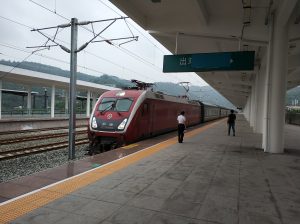
Most visitors arrive via Fuzhou Changle International Airport, which confusingly sits inside Changle’s borders but serves the capital. From the terminal, a taxi to the old town takes twenty minutes and costs about the price of a decent bowl of noodles. If you are coming from Fuzhou city proper, Metro Line 6 terminates at the edge of the district; from the last station, you transfer to a local bus or a ride-hail car. The bus network is dense but the signs are Chinese-only. I learned to screenshot the Chinese characters for my destination — 长乐古城 for the old town, 琅岐 for the peninsula — and show them to the driver. Drivers rarely speak English, but they understand a phone screen.
- Metro Line 6 to the terminal station, then Bus 101 or 102 toward the old town.
- Ride-hail apps (Didi, Gaode) work reliably; set the destination in Chinese characters.
- Rent an electric scooter from a shop near the bus station if you plan to chase the coast — helmet included, deposit around two hundred yuan.
The Old Town at Dawn
Wake before the heat settles. The old town’s stone lanes are still damp from the night’s sprinkler trucks. Elderly men in white singlets sit on plastic stools, fanning themselves with folded newspapers while a radio crackles Min opera. A vendor pushes a cart stacked with steamed buns stuffed with chive and dried shrimp; the buns split open to reveal green flecks and pink curls. I buy two, burning my fingertips on the paper wrapper. The dough is pillowy, the filling salty-sweet with a crunch of dried radish. Around the corner, a temple courtyard smells of sandalwood and candle wax. Locals press incense sticks into a bronze urn, murmuring prayers for sons in New York, daughters in London, safe passage, green cards. The diaspora is not a history exhibit here — it is the rhythm of daily conversation.
Langqi Peninsula: Wind, Mud, and Oyster Omelettes
Thirty minutes by scooter eastward, the road narrows between fish ponds and banana groves. Langqi Island connects to the mainland by a bridge that shudders when trucks pass. The tide dictates the schedule. At low tide, the flats stretch gray and glittering, dotted with women in wide-brimmed hats raking clams into bamboo baskets. At high tide, the water laps the seawall where teenagers fly kites shaped like centipedes. Find a shack with a blue plastic tarp and a charcoal grill. Order the oyster omelette: a ladle of sweet potato starch batter hits the hot plate, then a handful of shucked oysters, egg, scallions, and a drizzle of chili sauce. The edges crisp into lace; the center stays molten. Eat it with a toothpick, standing, juice running down your wrist. Wash it down with a bottle of Huiyuan juice, sweet and cold.
- Check tide tables the night before — locals use the “Wannianli” app or ask a fisherman at the dock.
- Bring cash; card readers fail in the sea breeze.
- Wear sandals you can rinse. The mud clings like cement.
Ancestral Halls and the Weight of Remittances
Every village cluster has its clan hall, roof ridges curled like dragon whiskers. Inside, the air is cool and smells of old paper. Genealogies sit on lacquered tables, pages brushed with names in red ink. A caretaker unlocks the side room where photographs hang in gilt frames: young men in 1980s suits standing beside Buicks, families on the steps of brownstones in Brooklyn, a grandmother holding a chubby baby in a Knicks jersey. The captions are handwritten in ballpoint: “Sent home 1992 — built this hall.” “Sent home 2005 — paved the lane.” You are not supposed to photograph the genealogies. Ask before you raise your phone. The caretaker may offer you tea — bitter, powdered, served in a chipped porcelain cup. Drink it. It is the only currency that matters.
What Newcomers Get Wrong
First, they treat Changle as a day trip from Fuzhou. You cannot taste the place in six hours. The rhythm is slow: morning market, midday nap, evening stroll along the river where kites fight for wind. Second, they expect tourist infrastructure. There are no audio guides, no English plaques, no queue systems. You navigate by watching where the aunties line up. Third, they ask about “snakeheads” within earshot of a taxi driver. The subject is not a curiosity; it is a wound. Families here have lost sons to container ships, daughters to debt bondage. If the topic rises, listen. Do not probe. Fourth, they refuse the tea in the clan hall. It is not hospitality — it is recognition. You are a guest in a living room, not a museum visitor.
Seasonal Notes and Practical Details
Spring brings the Mazu festival: processions with palanquins, firecrackers stitching the air, statues carried through streets lined with incense coils. Summer is typhoon season — check forecasts before committing to the peninsula. Autumn is dry, the light golden on the tiled roofs, the best time for walking the old town lanes without sweat soaking your shirt. Winter is mild but damp; a windbreaker beats a down jacket. Hotels cluster near the high-speed rail station and the airport; few have English-speaking front desks. Book through a Chinese platform (Ctrip, Meituan) and screenshot the confirmation. Bring a power bank. The outlets in older guesthouses are two-prong, and the wifi password is often the landlord’s phone number written on a sticky note by the bed.
- Spring (third lunar month): Mazu birthday festivities — expect crowds, road closures, loud firecrackers at 5 a.m.
- Autumn (eighth to ninth lunar month): clear skies, comfortable temperatures, peak oyster season.
- Typhoon warnings: red signal means stay inland; ferries and bridges close.
- Language survival kit: “多少钱” (how much), “不要辣” (no chili), “发票” (receipt), “厕所在哪” (where is the toilet).