The minibus from Suzhou’s west station hisses to a halt on a side street near the old city wall. Steam rises from a vendor’s bamboo steamer — pork buns, their pleats pinched tight — while an elderly woman waves a palm-leaf fan over a tub of lotus-root slices soaking in ice water. You step off the bus with a backpack and a paper map the driver scribbled on, and the air smells of river mud, fried dough, and jasmine tea. This is Changshu on a late-spring morning: quiet enough to hear bicycle bells, close enough to Shanghai to feel the hum, distinct enough to keep its own rhythm.
Getting There Without a Fuss
Most visitors arrive by high-speed rail. The station sits on the city’s northern edge, a clean glass box where taxis and ride-hail cars line up under a canopy. From Shanghai Hongqiao the ride is forty minutes; from Suzhou it’s twelve. If you land at Wuxi Sunan Shuofang Airport, a direct airport coach drops you at the south bus station in about an hour — cheaper than a taxi and timed to flight arrivals. From Shanghai Pudong or Hongqiao airports, the fastest route is the maglev or metro to Hongqiao Railway Station, then the bullet train. Long-distance coaches still run from Suzhou’s west bus station (the one beside the train station) for a handful of yuan, but they crawl through town traffic and deposit you at either the north or south bus station; the south station stays open later and has more onward connections.
Yushan Mountain: Stone Steps and Tea Steam
Yushan rises behind the old town like a folded screen. The main trail starts at the Xingfu Temple gate, where incense coils hang from the eaves and a monk sweeps fallen ginkgo leaves into a dustpan. You climb through mixed forest — camphor, bamboo, the occasional maple turning crimson in the tenth lunar month — past stone tablets carved with Song-dynasty poems. Halfway up, a flat terrace holds a tea pavilion. The keeper, a woman in a blue cotton jacket, rinses a gaiwan with spring water from the mountain’s own well, then drops in a pinch of Biluochun. The liquor turns pale jade; the scent is chestnut and fresh grass. Sip it while looking down on the city’s gray-tile roofs and the silver thread of the Changshu Canal.
- Trailhead: Xingfu Temple entrance, bus 2 or 112 from the railway station.
- Time needed: Two hours up at a relaxed pace, one hour down.
- Footwear: Flat rubber soles; the stone slabs turn slick after rain.
- Water: Fill a bottle at the temple’s filtered tap — no vendors on the ridge.
- Etiquette: Speak low near the meditation hall; photography is allowed but no flash inside shrines.
Shajiabang: Reed Marshes and Revolutionary Echoes
Twenty kilometers southeast, Shajiabang spreads across a wetland where reeds grow taller than a man. During the War of Resistance, wounded soldiers hid in these channels while local villagers passed rice balls through the stalks. Today a wooden boardwalk loops through the marsh, and flat-bottomed punts glide silently, pushed by boatmen who know every bend. In the fifth lunar month the reeds flower, turning the water silver-white; in the ninth month migratory egrets cluster like scattered salt. The small museum near the dock displays a rusted surgical kit, a hand-copied party constitution, and a faded quilt stitched from patrol uniforms. Guides tell the stories in Mandarin; ask for the English pamphlet at the ticket window — it’s a single folded sheet but covers the key points.
- Transport: Bus 202 from the south bus station, forty minutes; or a thirty-yuan taxi ride from the railway station.
- Boat tour: Shared punts leave every twenty minutes, twenty minutes on the water.
- Best light: Early morning or an hour before sunset for bird photography.
- Footwear: Quick-dry shoes; the boardwalk can be damp from morning mist.
- Snack: Buy a packet of roasted lotus seeds from the stall by the dock — salty, crunchy, perfect for the ride back.
Old Town Lanes: Canals, Courtyards, and Coffee
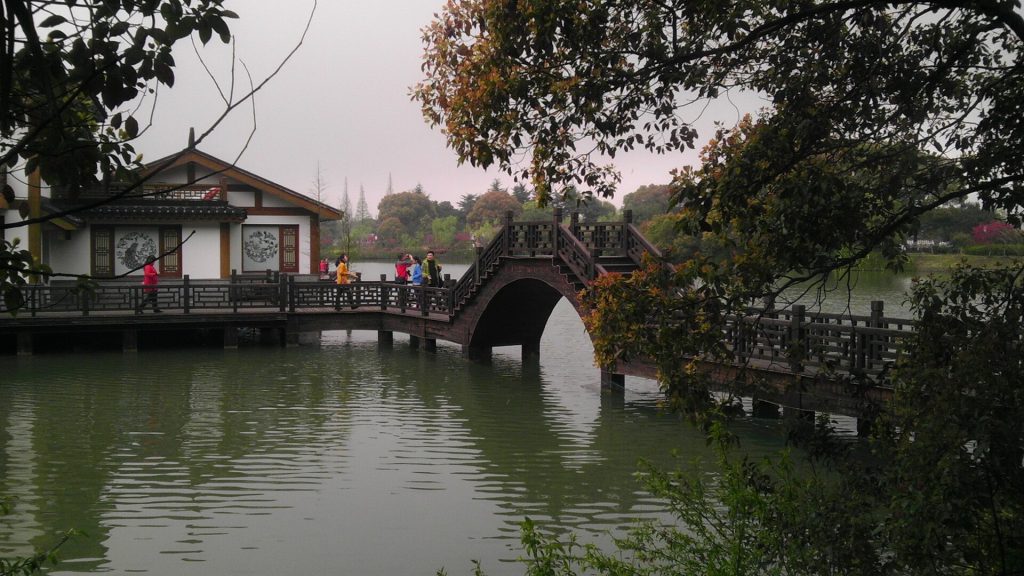
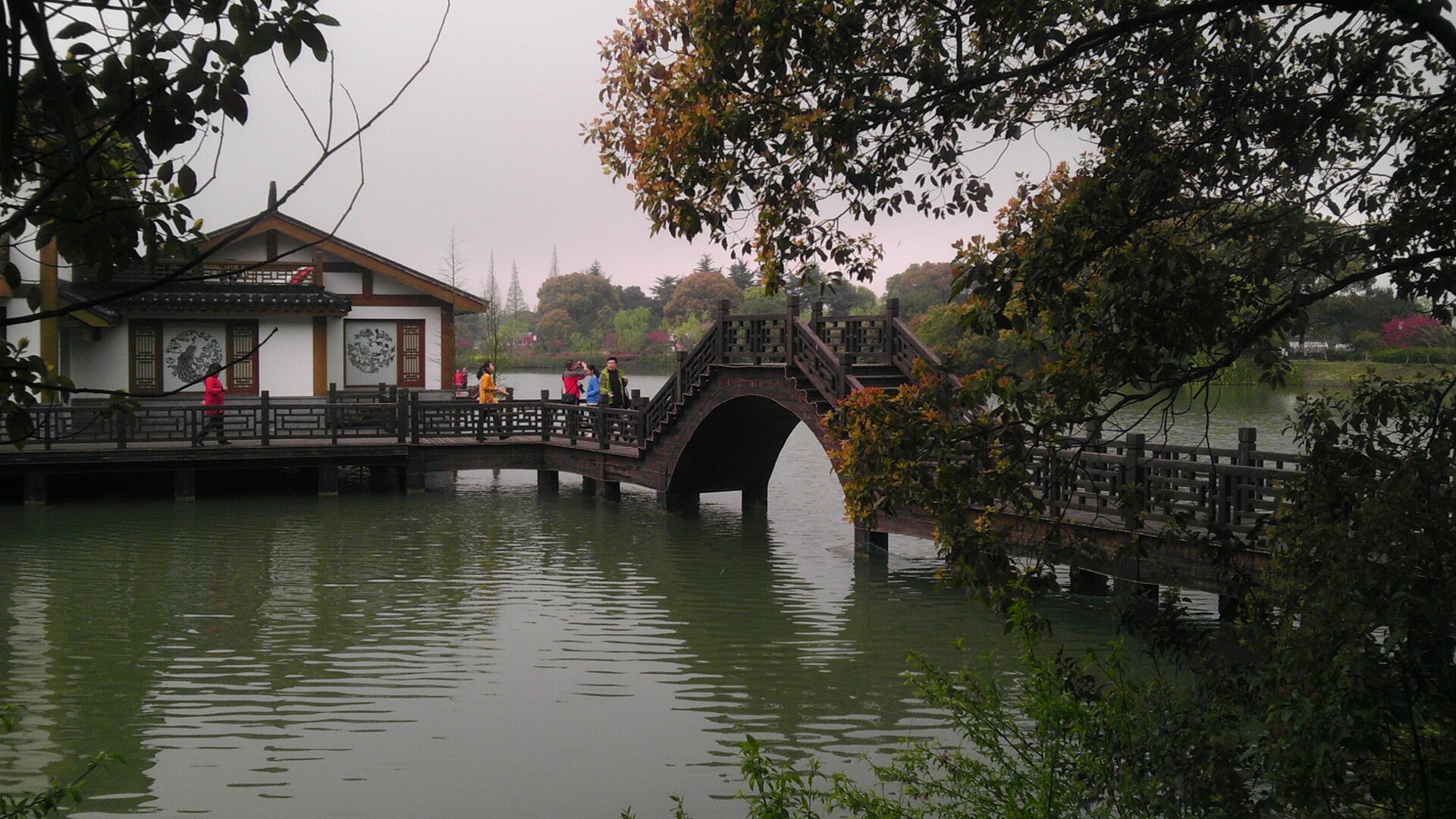
The historic neighborhood hugs the city moat. Narrow alleys — some barely wide enough for two shoulders — open onto courtyards where wisteria drapes over whitewashed walls. A few houses have been turned into guesthouses; others host micro-cafes that roast their own beans in cast-iron drums. Order a hand-drip Yunnan single-origin and sit at a window table overlooking a stone bridge where an old man practices tai chi at dawn. The lanes have no signage; navigation is by landmark: the gingko tree with the red ribbon, the tofu shop that fries fresh sheets at 6 a.m., the bookstore that sells hand-bound notebooks made from rice paper. Get lost on purpose. The best finds — a lacquerware studio, a calligrapher teaching tourists to write “fortune” on red squares — happen when you stop checking the map.
What to Eat Before You Leave
Changshu cuisine leans sweet and delicate, heavy on river fish and seasonal vegetables. At a family-run place near the south bus station, order the signature dishes one by one.
- Steamed hairy crab (autumn only): Served whole with a dish of black vinegar and shredded ginger. Crack the shell, suck the coral, dip the meat — no tools needed.
- Braised pork belly with preserved vegetables: Fat melting into gelatin, the mustard greens cutting the richness with a sour snap.
- Stir-fried river shrimp: Shelled, tossed with tea leaves from Yushan, finished with a splash of Shaoxing wine.
- Lotus-root stuffed with glutinous rice: Sliced crosswise to show the polka-dot pattern, drizzled with osmanthus syrup.
- Green dumplings (qingtuan): Mugwort dough wrapped around sweet red-bean paste, sold from bamboo trays in the third lunar month.
Mistakes Newcomers Make
First, assuming the city is just a Suzhou day-trip. It isn’t — the mountain, the marsh, and the old lanes each deserve half a day. Second, showing up at Yushan in flip-flops; the stone stairs punish soft soles. Third, skipping the south bus station’s night market because “street food isn’t hygienic.” The grilled oysters brushed with garlic-chili sauce, the steamed buns bursting with pork jelly, the candied hawthorn sticks — they’re cooked in front of you, steaming hot, and the line of local grandparents is the only health certificate you need. Fourth, expecting English menus everywhere. Download a photo dictionary of dishes or learn to point at the table next to you. Fifth, rushing through Shajiabang on a tight schedule. The marsh moves at punt speed; if you only have an hour, stay in town and drink tea instead.
When the sun drops behind Yushan, the city lights flicker on along the canal — red lanterns, neon tea signs, the occasional karaoke bar spilling pop ballads onto the water. You find a stool at a plastic table, order a bowl of wonton soup with hand-rolled skins, and watch a delivery rider zip across the stone bridge, his thermal box clicking against the cobblestones. Changshu doesn’t perform. It simply exists, layered and patient, waiting for you to slow down enough to notice.