The minibus from Quanzhou drops you at the foot of a hill where the air smells of wet clay and wood smoke. A row of electric tricycles waits beside the station, their drivers shouting destinations — Shunmei, Longxun, the old kiln site — while a woman in a floral apron waves a bundle of dried persimmons at passing traffic. You have not even found a guesthouse yet, but the place already feels like a workshop that never closes.
Arriving without a plan
Most visitors come up the mountain road from Quanzhou by bus or the slow train that terminates at Gaide Town. The railway station sits a few kilometers outside the market center, so you will likely transfer to a local bus or a shared ride. If you arrive in the late afternoon, the light catches the white dust on the rooftops and the piles of saggars stacked beside factory gates. Check into a family-run inn near Longhu Street; the owners usually know which studios take walk-ins and which require a phone call the day before.
Walking the studio lanes
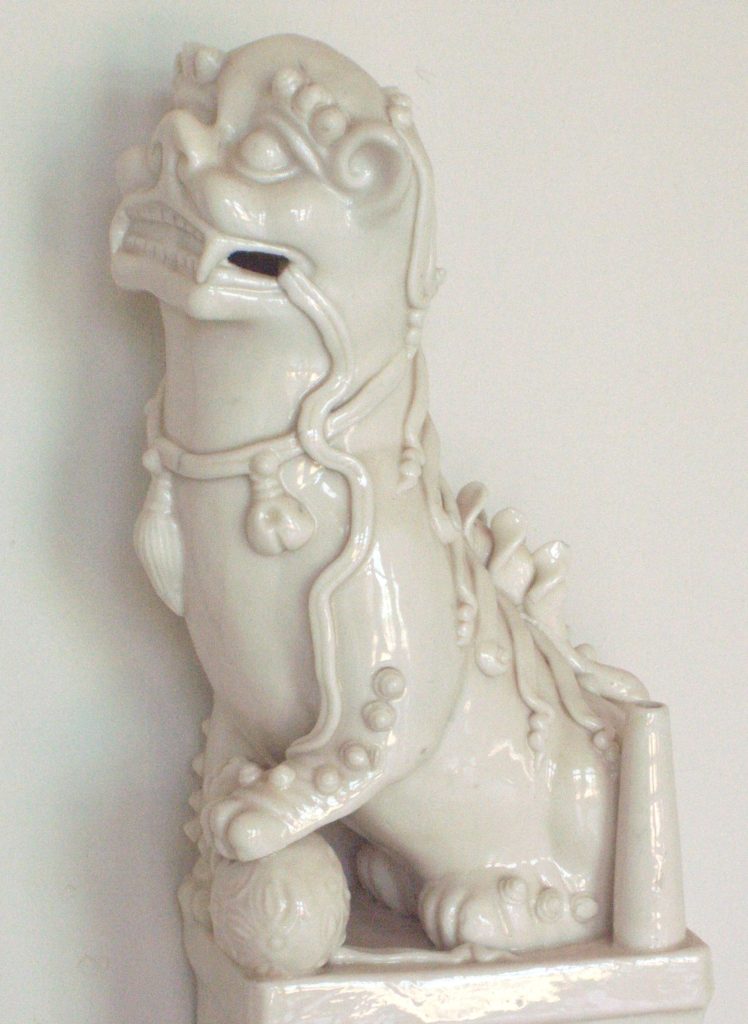
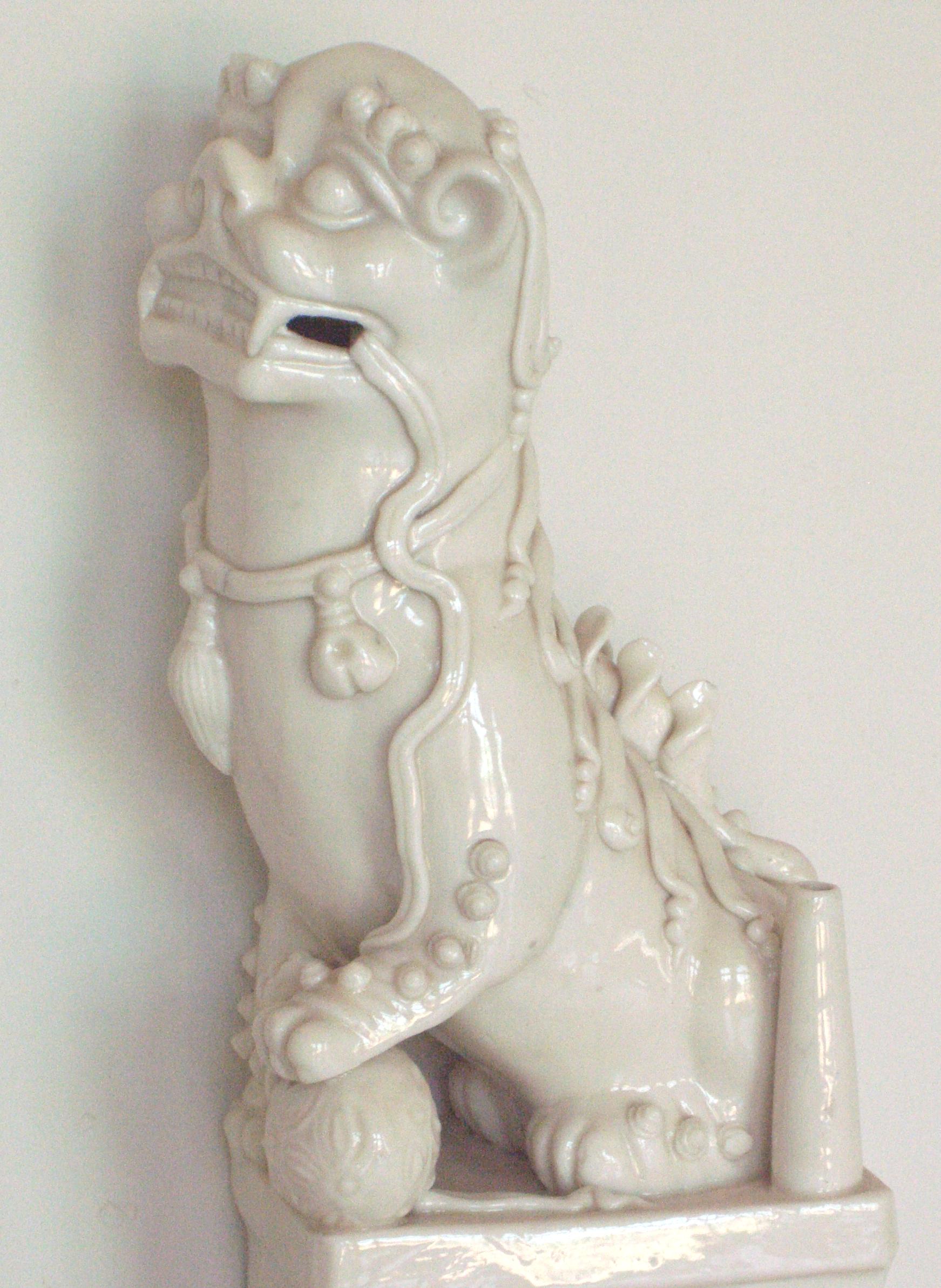
The oldest workshops cluster along the lanes behind the main market. Push open an unmarked metal door and you step into a space where a potter trims a Guanyin figurine with a bamboo knife, the slurry catching the light like milk. No signs advertise these places. You recognize them by the rhythm — wheel hum, sponge slap, the occasional crack of a piece that did not survive the fire. Stay long enough and the owner may hand you a tea cup fired in the last wood kiln, its rim thin as eggshell.
- Look for studios with wood-fired kilns still in use; the ash glaze cannot be replicated in gas.
- Ask to see “shuifen” — water-dividing — pieces where the glaze pools and breaks naturally.
- Bring cash. Many older masters do not use payment apps.
- If a piece feels light for its size, the body is porous; good blanc de chine rings when flicked.
The old kiln site at Shunmei
A twenty-minute ride north of town brings you to the Song dynasty dragon kiln ruins. The mound looks like a grass-covered spine stretching up the slope. Archaeologists have uncovered shards with the same translucent white body you see in modern shops, but the ancient glaze carries a faint blue-green breath that modern formulas chase but rarely catch. Walk the length of the kiln in the early morning before tour groups arrive. You can still pick up fragments of saggar clay from the path — keep one in your pocket as a reminder of how long this fire has burned.
Market day rhythms
Every fifth and tenth day of the lunar month, the square beside the bus station swells with vendors from the surrounding villages. They spread tarps loaded with seconds — teapots with hairline cracks, figurines missing a finger — sold by weight rather than piece. This is where restaurant owners buy their serving bowls and where students from the ceramics institute hunt for glaze test tiles. Arrive at dawn. By mid-morning the best flaws are gone, and the sun bakes the dust into a haze that clings to your clothes.
- Bring a canvas tote; plastic bags tear under the weight of ceramics.
- Inspect rims and feet for glaze drips — they reveal the firing angle.
- Haggle quietly. A smile and a few words of Minnan dialect go further than loud bargaining.
- Do not expect receipts. Trust is the currency here.
Eating where the potters eat
Lunch follows the kiln schedule. Workers eat at noon sharp, so the noodle stalls on Xinghua Road fill and empty in waves. Order a bowl of mianxian hu — thin wheat noodles in a broth thickened with sweet potato starch, topped with oysters, pork intestine, and a spoonful of chili paste. The bowls are heavy Dehua porcelain, their rims chipped from years of stacking. Watch how the old men hold the bowl close to the mouth, slurping without spilling a drop. Finish the broth. Leaving it signals you did not respect the cook’s fire.
Leaving with more than souvenirs
The last bus down the mountain rattles past workshops where the night shift loads saggars into gas kilns. Through the open doors you see towers of white forms — Guanyin, Maitreya, lotus buds — glowing dull orange in the preheat. You carry a wrapped figurine in your pack, its base still warm from the kiln’s breath. The driver honks at a stray dog. The clay dust on your shoes will not wash out until the next rain, and maybe not even then.