The minibus shuddered to a halt on a hairpin bend of the G65, the driver leaning on the horn as a herd of goats picked their way across the asphalt. Below us, the Zhou River curled like a jade ribbon through the Daba Mountains, mist clinging to the limestone cliffs. My seatmate, a woman in a floral padded jacket, handed me a steamed bun still hot from the basket at her feet — pork and preserved vegetable, the steam rising in the cool morning air. That was my first proper welcome to Dazhou: no fanfare, just altitude, appetite, and the rhythm of the road.
Getting There Without the Headache
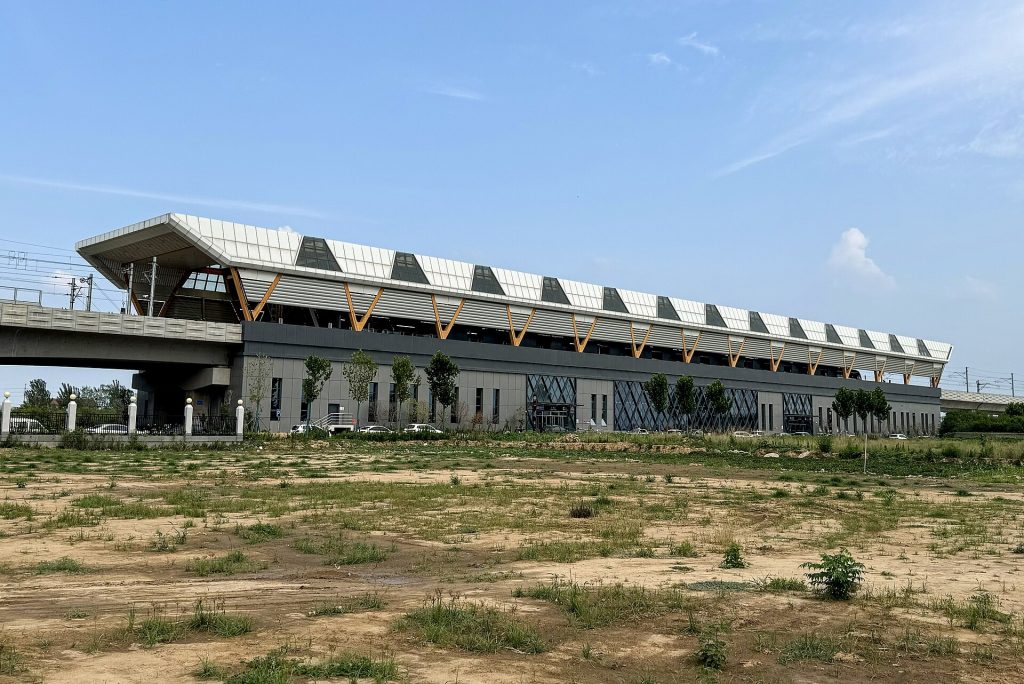
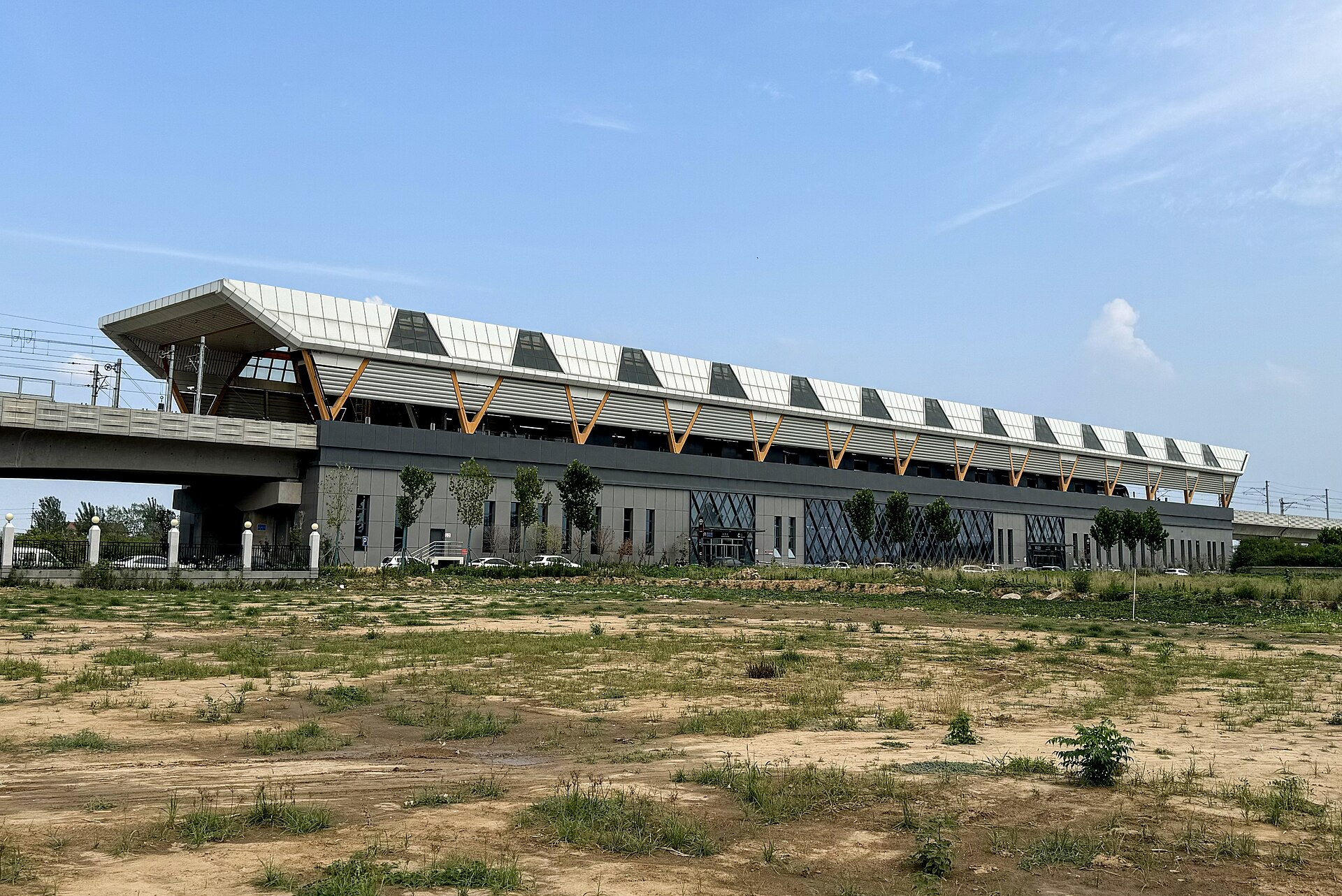
Fly into Jinya Airport if you are coming from Chengdu, Chongqing, or Xi’an — the terminal is compact, baggage claim takes ten minutes, and a taxi to the city center costs roughly the same as a decent bowl of noodles. Trains are the real workhorse, though. The high‑speed station in Dachuan District connects to the Chengdu–Dazhou–Wanzhou line; a second‑class seat from Chengdu East rolls in around two hours. If you are driving, the G65 Baomao Expressway cuts through tunnels and over viaducts that make the old mountain roads feel like a different century. Long‑distance buses still leave from the station near the old Tongchuan gate, useful for reaching county towns like Xuanhan or Kaijiang where the rail map goes blank.
Where to Sleep: Neighborhood Logic
Stay near the high‑speed station if you have early departures — chain hotels there have reliable hot water and English‑speaking front desks. For atmosphere, book a courtyard guesthouse in the old lanes behind People’s Park. The owners usually run a small restaurant downstairs; wake up to the clatter of woks and the smell of chili oil. Avoid the riverside luxury towers unless you want a view of construction cranes — they block the sunset over the Zhou River. In winter, confirm the heating works; many older buildings rely on portable units that struggle when the damp cold settles in the twelfth lunar month.
Two Days on Foot
Start morning one at the Luojiaba archaeological park. The excavated pits sit under a tensile canopy; you can see carbonized rice grains and bronze dagger‑axes laid out exactly as they were uncovered. Walk the raised boardwalk — do not step onto the exposed earth, the guards whistle sharp. From there, take bus 16 to the Bashan Grand Canyon scenic area. The glass‑bottom bridge gets the selfies, but the real reward is the narrow trail that drops to the riverbed: smooth boulders, clear pools, and the echo of your own footsteps. Pack a lunch; the vendor stalls at the entrance sell overpriced instant noodles.
Day two belongs to the city’s pulse. Ride the metro Line 1 to Dongmen station, exit onto the pedestrian street where vendors grill skewers of gluten, lotus root, and quail eggs over charcoal. Turn left into the wet market: live carp thrashing in blue tubs, piles of ya cai (preserved mustard greens) the color of dried blood, and stacks of smoked bacon hanging like cured leather. Bargain with a smile — vendors expect it. End at the Confucian Temple courtyard; elderly men play xiangqi under the ginkgo trees, the click of pieces marking time.
Eating Like a Local
Dazhou cuisine sits at the crossroads of Sichuan fire and Shaanxi depth. The signature dish is ba bao ji — eight‑treasure chicken stuffed with glutinous rice, ham, lotus seeds, and dried longan, then steamed until the skin turns translucent. Order it at a family‑run place on Jiefang Road; ask for the broth on the side, sip it like tea. For breakfast, hunt down a stall selling mian pi: wide rice noodles tossed in chili oil, vinegar, crushed garlic, and a spoonful of ground peanuts. Eat standing, bowl tilted, slurping loud enough to earn a nod from the cook.
- Home‑style ba bao ji: debone a whole chicken, keep skin intact; marinate with ginger, scallion, Shaoxing wine, light soy. Stuff with soaked glutinous rice mixed with diced ham, shiitake, lotus seeds, longan, goji berries, and a pinch of five‑spice. Sew cavity shut, steam over high heat forty minutes. Rest ten minutes before slicing.
- Mian pi sauce: three parts chili oil, two parts aged vinegar, one part soy sauce, minced garlic, crushed roasted peanuts, sesame paste thinned with hot noodle water. Toss cooked rice sheets, top with julienned cucumber and bean sprouts.
Restaurant pitfalls: menus with English translations often tone down the spice level — say la zi bu yao shao (don’t skimp on chili) if you want the real heat. Avoid tourist‑trail hotpot halls near the station; they reuse broth. Instead, follow the lunch crowd to a second‑floor spot where the owner slices raw beef to order and the dipping sauce arrives in a ceramic dish with fermented bean curd, sesame oil, and raw garlic.
Seasonal Rhythms and Local Expectations
Spring brings the peach blossom festival in the hills around Wanyuan — locals drive up in family convoys, spread tarps, and picnic on roast lamb. If you join, bring baijiu and expect to toast every elder at the table. Summer is the dragon boat season on the Zhou River; the races start at the fifth day of the fifth lunar month, banks packed with spectators chewing sunflower seeds. Autumn means the tea harvest in the Daba foothills; small factories welcome visitors for a cup of fresh green tea, but do not touch the leaves unless invited. Winter fog can ground flights for days — build a buffer if you travel in the twelfth lunar month.
Manners matter: hand business cards and receive them with two hands. When a host refills your tea, tap two fingers on the table — a silent thank you. Never stick chopsticks upright in rice; lay them across the bowl. And if someone offers you the fish cheek, take it — it’s the choicest morsel, and refusing reads as rejection of hospitality.
What Newcomers Get Wrong
Assuming Dazhou is just a transit dot. The city rewards slowness — the best meals hide in alleys without signs, the clearest mountain views come from a farmer’s rooftop after a shared cigarette. Relying solely on ride‑hailing apps; drivers often cancel short trips in the old district. Ignoring the dialect — Mandarin works, but a few words of the local tongue (haode for okay, bu yao for no) unlock smiles. Packing only light layers; the humidity seeps into bones, and a damp wind off the river in late autumn feels colder than a northern dry freeze. Finally, skipping the morning market because it’s “too early.” That’s exactly when the city shows its true face — steam rising from bamboo steamers, knives flashing on wooden blocks, the day’s first arguments over the price of ginger.