The minibus shudders to a halt on a gravel shoulder where the road begins to climb. Through the open door, the air smells of pine resin and wet stone. A vendor at the corner waves a bamboo steamer; the buns inside puff white against the gray morning. You step down, adjust your pack, and look up at the ridgeline where the first hall roofs catch the light. This is where the day starts.
Getting there without the guesswork
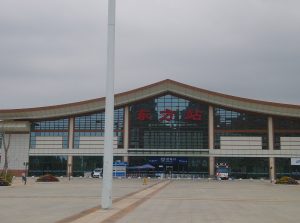
Most travelers arrive in Zhengzhou first. The high‑speed station sits on the city’s western edge; from the east square you can catch a direct coach to Dengfeng that leaves every forty minutes or so. The ride takes about ninety minutes and drops you at the long‑distance bus terminal on Songshan Road. If you prefer rail, the conventional line stops at Dengfeng East — slower, but the station is a short taxi hop from the old town. From either point, a local bus marked “Shaolin” or a shared minivan will ferry you the last twenty kilometers to the scenic gate. Drivers usually wait until the van fills, so expect a brief pause while the seats find their occupants.
One mountain, two rhythms
Songshan splits naturally into two lobes. The western side holds the Shaolin compound; the eastern side unfolds into quieter trails and older shrines. If you have a single day, enter through the main Shaolin gate at dawn. The courtyard fills fast — tour groups, school classes, pilgrims — but the first hour belongs to the monks’ morning drill. You’ll hear the crack of staff on stone before you see the/forms. After the demonstration, slip behind the main hall onto the stone path that climbs toward the Pagoda Forest. The shade there stays cool until late spring.
For a second day, cross the valley to the Taishi Que gates and follow the ancient imperial road toward Zhongyue Temple. The steps are uneven, worn by centuries of sandals and boots. Fewer people venture this far, and the silence between the cypress stands feels earned. Pack water and a snack; the only stalls up here sell incense and bottled tea at triple the town price.
Eating where the monks don’t
Inside the scenic area, the vegetarian canteen serves a decent set meal — rice, braised tofu, seasonal greens, and a bowl of millet porridge — but the line snakes out the door by eleven. Walk five minutes down the lane toward the village of Shifang. A family courtyard there rolls hand‑pulled noodles in a broth scented with star anise and dried chili. Order “daoxiaomian” with a spoonful of chili oil and a side of pickled mustard stems. The noodles arrive steaming, the broth clear and deep, the heat building slowly behind the ribs.
- Hand‑pulled wheat noodles
- Beef bone broth simmered overnight
- Star anise, cassia bark, dried Sichuan pepper
- Fresh cilantro, scallion, chili oil
- Pickled mustard stems for crunch
Back in Dengfeng proper, the night market on Wenchang Road wakes at dusk. Look for the stall with a cast‑iron griddle; the owner spreads a thin batter, cracks an egg, sprinkles scallions and sesame, then folds it into a square. Eat it standing, paper wrapper catching the grease.
Sleeping close to the stone
The temple runs a guesthouse behind the Pagoda Forest — simple rooms, shared bath, lights out at ten. You’ll need to register at the office near the main gate before noon; spaces vanish by afternoon. If you miss the window, the cluster of inns along the river in Shifang village offers clean beds and hot showers. Bargain politely; a smile and a few words of dialect go further than a calculator. In the old town, a converted courtyard house near the City God Temple rents rooms with wooden shutters and a rooftop view of the illuminated peaks.
What locals expect and where newcomers stumble
Incense etiquette trips up many first‑timers. Buy a bundle at the designated kiosk, not from the hawkers lining the steps. Light three sticks, hold them at forehead height, bow once toward the hall, then plant them in the sand — never blow out the flame. Photography inside the main halls is forbidden; signs are in Chinese only, but the gesture of a guard lowering a hand is universal. On the trails, yield to anyone climbing upward; stepping aside onto the loose scree is safer than forcing a pass.
Another common error: treating the kung fu shows as the whole story. The twenty‑minute performance in the square is polished, but the real training happens in the courtyards behind the tourist route. If you linger near the side gates after the crowd thins, you may catch junior monks practicing forms without an audience. Stay quiet, keep distance, and never mimic the movements — it reads as mockery.
Finally, the weather turns fast on the mountain. A clear morning can swallow the peaks in mist by noon. Carry a light windbreaker even in summer, and wear shoes with grip — the stone stairs are polished slick by generations of feet. The lunar calendar marks the third month as the season of peach blossoms on the lower slopes; the ninth month brings golden ginkgo leaves around the pagodas. Plan for those windows if you want the mountain in color rather than cloud.