The minibus from Shangri-La coughs its way up the final switchback just as the sun catches the white flanks of Meili Snow Mountain. Outside the window, the Lancang River — known downstream as the Mekong — cuts a brown slash through the gorge floor, two thousand meters below. The air thins noticeably here at 3,550 meters; a simple walk to the guesthouse reception leaves newcomers breathing hard. Prayer flags snap overhead, strung between concrete power poles, and the smell of yak butter tea drifts from a ground-floor kitchen. This is Deqin, the last major settlement before the Tibetan plateau proper, and for many travelers it feels like the first real step into Kham.
Getting There and the Altitude Reality
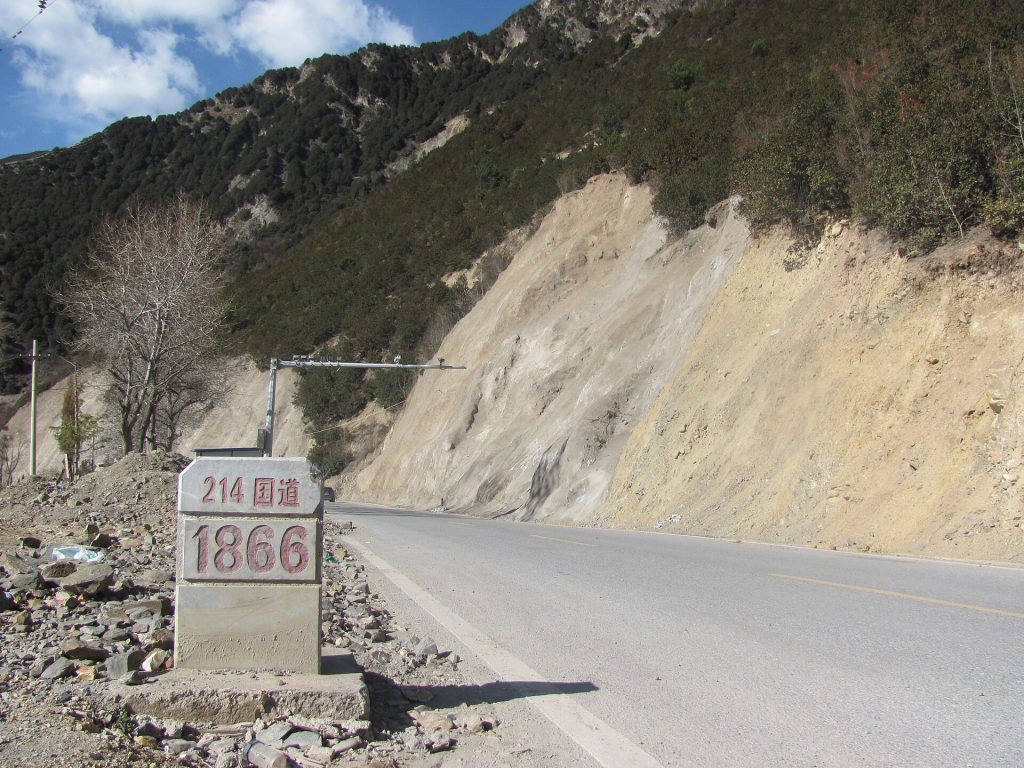
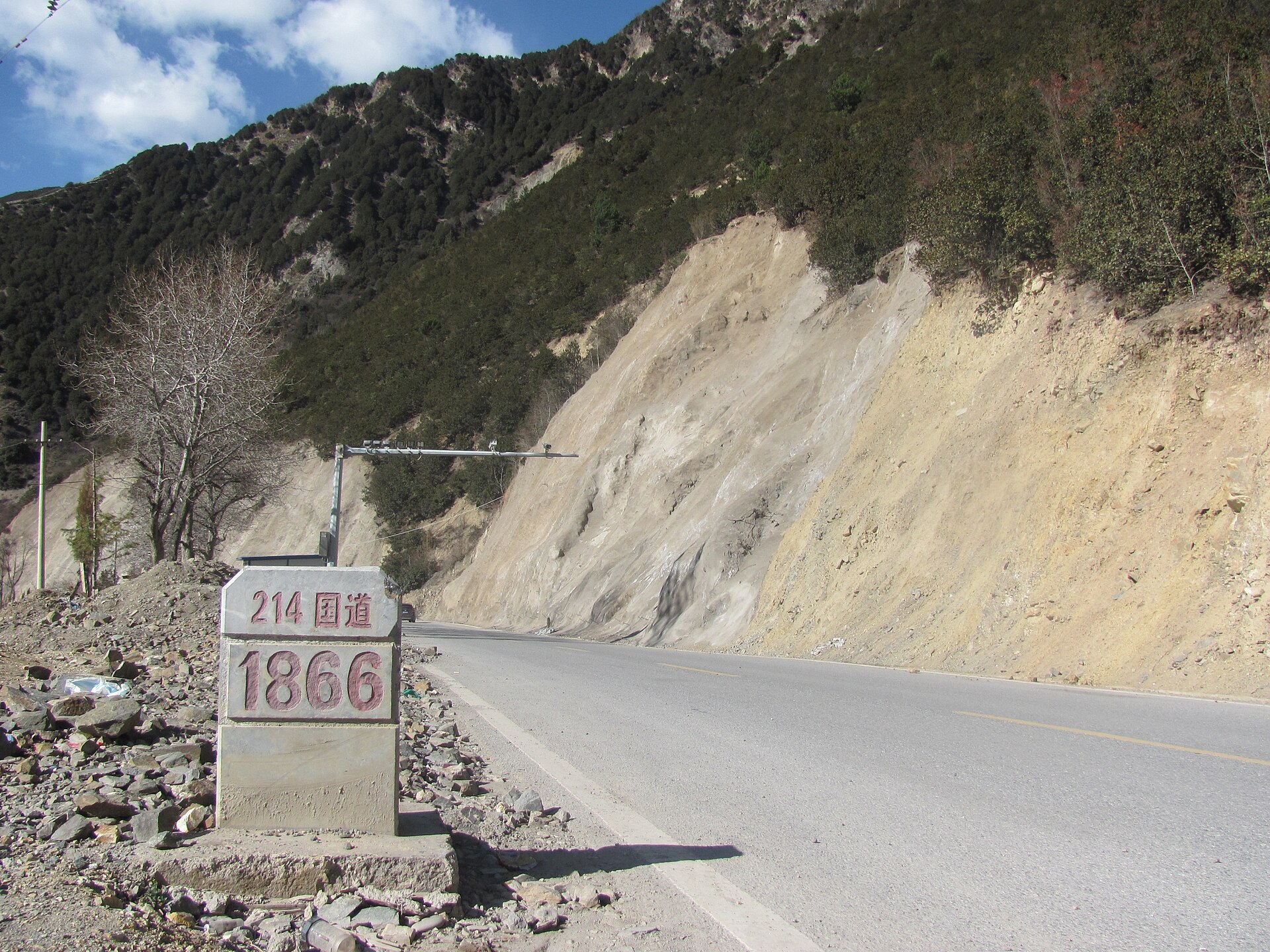
The road from Shangri-La takes six to seven hours on a good day, longer when rain triggers rockfalls. Buses leave the Shangri-La passenger station early in the morning; tickets are bought on the spot, no advance booking needed. Shared SUVs wait near the same station and leave when full — usually four passengers plus the driver — cutting an hour off the journey but costing three times the bus fare. Whichever vehicle you choose, sit on the left side heading north for the best river views.
Altitude hits differently here than in Lhasa. Deqin sits lower than the Tibetan capital, but most visitors arrive straight from 2,000-meter valleys, giving the body no acclimatization buffer. Spend the first afternoon horizontal. Drink water until your urine runs clear. Skip the butter tea at first — the salt and fat can nauseate an unadjusted stomach. Headaches are normal; vomiting or confusion means descend immediately. A small clinic near the main intersection stocks oxygen canisters and basic altitude meds, but serious cases require the four-hour drive back to Shangri-La’s hospital.
Where to Sleep: Concrete Boxes and Family Courtyards
The town center is a grid of white-tiled buildings housing identical hotels: thin carpet, electric blankets, shared squat toilets down the hall. They work fine for a night or two. Better value sits a kilometer south, where Tibetan families rent rooms in traditional stone-and-timber compounds. Look for hand-painted wooden window frames and a pile of dried yak dung against the outer wall — fuel for the kitchen stove. These places rarely appear on booking apps; walk the lane behind the main bus station and ask. Expect to pay 80 to 150 yuan for a clean room with thick quilts and a shared bathroom. Hot water runs on solar tanks: shower before sunset or brace for ice.
Eating: Tsampa, Thukpa, and the Yak Butter Learning Curve
Breakfast in a family courtyard often means sitting on a low stool while the hostess roasts barley flour in a cast-iron pan. She’ll spoon the fragrant tsampa into a wooden bowl, pour in hot tea, and hand you a butter knife. The technique: press the mixture against the bowl’s curve with your thumb, rotate the bowl, repeat until a dense dough forms. Pinch off pieces, pop them whole. It tastes nutty, slightly sour from the tea, sustaining for hours.
- Tsampa – roasted barley flour, yak butter, brick tea, pinch of salt
- Thukpa – hand-pulled wheat noodles in yak broth with radish, scallion, chili oil
- Shaptak – stir-fried yak strips with potato, Sichuan pepper, wild garlic shoots
- Droma – sweet root tubers simmered in butter and sugar, festival staple
Lunch means thukpa at the noodle shack opposite the police checkpoint. Order “da wan” for the large bowl; the broth remembers every yak bone that simmered in it overnight. Dinner is often shaptak shared family-style, eaten with fingers from a communal wooden trough. Beginners mistake the chili oil for decoration — it’s the soul of the dish. Skip the “Tibetan pizza” on tourist menus; it’s usually frozen dough topped with processed cheese and canned corn.
Meili Snow Mountain: Viewing Without Trekking
Most visitors come for Kawagebo, the 6,740-meter pyramid that dominates the western skyline. The classic viewpoint sits at Feilai Temple, ten kilometers north of town. A minibus runs from the Deqin square at 7:00 AM and 2:00 PM, returning two hours later. Get the morning run; clouds swallow the peak by 10:00 AM nine months of the year. The temple itself is modest — a few prayer halls, a butter-lamp room, monkeys stealing offerings from the steps. The real show is the terrace: thirteen white chortens aligned toward the mountain, prayer wheels humming in wind that carries the scent of juniper smoke.
If clouds obscure the summit, walk the kora path behind the temple. It circles a subsidiary peak in forty minutes, passing mani stones carved with mantras older than the Cultural Revolution. Local pilgrims prostrate every three steps; tourists gasp for air every ten. Neither is judged. Bring a windproof layer — the temperature drops ten degrees the moment the sun dips behind the ridge.
Day Hikes: Yubeng Village and the Ice Lake
Yubeng sits in a glacial valley accessible only by foot or horse. The trailhead at Xidang village is a ninety-minute drive from Deqin; shared jeeps leave the bus station parking lot at 6:30 AM. The hike in takes six to eight hours depending on load and lungs. Most foreigners hire a horse for gear (120 yuan one way) and walk light. The path climbs through rhododendron forest, crosses a scree slope where prayer flags mark avalanche victims, then drops into the village bowl where stone houses cluster around a hot spring.
Stay two nights minimum. Day one: acclimatize, soak in the spring’s concrete pools, eat thukpa at the guesthouse run by a man called Dorje who speaks passable English. Day two: hike to Ice Lake, three hours up a moraine trail. The water holds the color of a turquoise bead; Kawagebo’s reflection floats on windless mornings. Return the same way or continue over Daxue Pass to Ninong — four days, guide mandatory, arrange in Deqin through the Tibetan-run trekking office above the bakery.
Language, Etiquette, and the Khampa Difference
Khampa Tibetan sounds harder than Lhasa dialect — more aspirated consonants, clipped vowels. “Tashi delek” still works for hello. “Kham sang” means “how are you” and earns smiles. Numbers differ: “chik” (one), “nyi” (two), “sum” (three) — useful for bargaining. Write them on your phone; pronunciation from phrasebooks often fails.
Walk clockwise around chortens and mani walls. Never step over prayer flags on the ground. Accept butter tea with both hands, sip three times, leave the rest — draining the bowl signals you want more, which obliges the host to refill endlessly. Photograph monks only after asking; some refuse, some demand payment. Women should cover shoulders and knees in monasteries; men remove hats. These aren’t suggestions.
Khampa men carry knives — ornate silver sheaths at the waist, practical tools, not threats. Don’t stare. Don’t touch. If invited to a home, bring fruit or tea bricks, not alcohol. The host will press you to stay the night; one polite refusal is expected, the second acceptance is genuine. Sleep on the floor beside the stove, share a quilt, wake to the sound of the hostess churning butter in the dark. That’s the Deqin most bus tourists miss.
Money, Connectivity, and Exit Strategies
ATMs exist at the Agricultural Bank branch on the main street — one machine, often empty by weekend. Carry enough cash for your stay plus 500 yuan buffer. WeChat Pay works in larger shops if you’ve linked a Chinese bank card; foreign cards rarely connect. Mobile signal covers town and the Feilai Temple road; Yubeng has intermittent 4G near the village committee building.
Buses back to Shangri-La leave at 7:00 AM and 1:00 PM from the same square you arrived at. Buy tickets the night before at the station window; seats vanish during holiday periods. The northbound road to Tibet proper (Chamdo, then Lhasa) requires permits no tourist agency in Deqin can reliably arrange — despite what touts claim. If your China visa allows, fly from Shangri-La’s airport to Lhasa instead. Otherwise, enjoy the six-hour descent through rhododendron clouds, watching the oxygen pressure rise with every kilometer.