Common Missteps
Cultural Rhythms and Local Expectations
Dezhou people measure distance in li and time in solar terms. During the “Awakening of Insects” period in early spring, families gather at ancestral graves with steamed buns and paper money; the cemeteries on the city’s western fringe fill with cars and the smell of burning incense. If you’re invited to a home meal, leave a few grains of rice in your bowl — cleaning it completely signals the host didn’t provide enough. Toast with baijiu using two hands, and never point the spout of the teapot at anyone. Market vendors expect haggling only on bulk buys; for a single chicken or a handful of jujubes, pay the marked price and smile. English is rare outside the university district. Carry a photo of your destination written in characters, and learn the phrase “bu yao la” (don’t add chili) if your stomach isn’t calibrated for Shandong heat.
Common Missteps
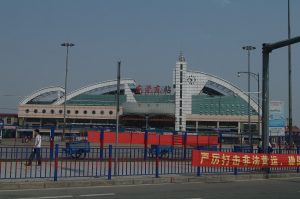
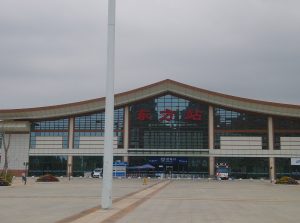
First-timers often confuse Dezhou East (high-speed) with the old Dezhou station (conventional), which sits across the city — a forty-minute taxi ride in traffic. Check the station code on your ticket: DZK for East, DZP for the old one. Another trap: ordering braised chicken “hot” at a restaurant. The dish is meant to be served at room temperature; reheating turns the skin rubbery. Don’t assume the canal park stays lit after dark — the path lights switch off at ten, and the gates lock. Finally, don’t pack only light layers. The plain funnels Siberian winds in winter and bakes under a sun with no shade in summer. A windproof jacket and a wide-brim hat belong in every bag, no matter the season.
If you have half a day, take bus 101 north to the Solar Valley demonstration zone. Rows of photovoltaic panels tilt toward the sun beside experimental greenhouses growing tomatoes in winter. The visitor center shows a short film on Dezhou’s push to become a “Solar City” — more PR than depth, but the rooftop observation deck gives a flat-horizon view of the plain stretching to the Hebei border. Skip the wax museum near the university; the figures have melted in the summer heat and the captions are only in Chinese.
Cultural Rhythms and Local Expectations
Dezhou people measure distance in li and time in solar terms. During the “Awakening of Insects” period in early spring, families gather at ancestral graves with steamed buns and paper money; the cemeteries on the city’s western fringe fill with cars and the smell of burning incense. If you’re invited to a home meal, leave a few grains of rice in your bowl — cleaning it completely signals the host didn’t provide enough. Toast with baijiu using two hands, and never point the spout of the teapot at anyone. Market vendors expect haggling only on bulk buys; for a single chicken or a handful of jujubes, pay the marked price and smile. English is rare outside the university district. Carry a photo of your destination written in characters, and learn the phrase “bu yao la” (don’t add chili) if your stomach isn’t calibrated for Shandong heat.
Common Missteps
First-timers often confuse Dezhou East (high-speed) with the old Dezhou station (conventional), which sits across the city — a forty-minute taxi ride in traffic. Check the station code on your ticket: DZK for East, DZP for the old one. Another trap: ordering braised chicken “hot” at a restaurant. The dish is meant to be served at room temperature; reheating turns the skin rubbery. Don’t assume the canal park stays lit after dark — the path lights switch off at ten, and the gates lock. Finally, don’t pack only light layers. The plain funnels Siberian winds in winter and bakes under a sun with no shade in summer. A windproof jacket and a wide-brim hat belong in every bag, no matter the season.
Start at the Sultan Sulu Tomb, a quiet compound of stone stelae and cypress trees where a 15th-century king from the Sulu archipelago was buried after dying en route to Beijing. The carvings blend Islamic motifs with Ming cloud patterns — dragons chasing pearls alongside Arabic calligraphy. A caretaker may unlock the inner hall if you ask politely in Mandarin; inside, the original sandalwood coffin rests under a silk canopy. Ten minutes west, the Grand Canal Cultural Park stretches three kilometers along the old towpath. Rent a paddle boat at the Willow Wharf pier (cash only, no app) and drift under the arched stone bridges where grain barges once queued for the imperial granaries. The canal water here runs tea-brown, thick with silt from the Yellow River’s old course. In late spring, lotus leaves unfurl across the surface and the air smells of wet mud and frying dough sticks from the snack boats.
If you have half a day, take bus 101 north to the Solar Valley demonstration zone. Rows of photovoltaic panels tilt toward the sun beside experimental greenhouses growing tomatoes in winter. The visitor center shows a short film on Dezhou’s push to become a “Solar City” — more PR than depth, but the rooftop observation deck gives a flat-horizon view of the plain stretching to the Hebei border. Skip the wax museum near the university; the figures have melted in the summer heat and the captions are only in Chinese.
Cultural Rhythms and Local Expectations
Dezhou people measure distance in li and time in solar terms. During the “Awakening of Insects” period in early spring, families gather at ancestral graves with steamed buns and paper money; the cemeteries on the city’s western fringe fill with cars and the smell of burning incense. If you’re invited to a home meal, leave a few grains of rice in your bowl — cleaning it completely signals the host didn’t provide enough. Toast with baijiu using two hands, and never point the spout of the teapot at anyone. Market vendors expect haggling only on bulk buys; for a single chicken or a handful of jujubes, pay the marked price and smile. English is rare outside the university district. Carry a photo of your destination written in characters, and learn the phrase “bu yao la” (don’t add chili) if your stomach isn’t calibrated for Shandong heat.
Common Missteps
First-timers often confuse Dezhou East (high-speed) with the old Dezhou station (conventional), which sits across the city — a forty-minute taxi ride in traffic. Check the station code on your ticket: DZK for East, DZP for the old one. Another trap: ordering braised chicken “hot” at a restaurant. The dish is meant to be served at room temperature; reheating turns the skin rubbery. Don’t assume the canal park stays lit after dark — the path lights switch off at ten, and the gates lock. Finally, don’t pack only light layers. The plain funnels Siberian winds in winter and bakes under a sun with no shade in summer. A windproof jacket and a wide-brim hat belong in every bag, no matter the season.
Sights Worth the Walk
Start at the Sultan Sulu Tomb, a quiet compound of stone stelae and cypress trees where a 15th-century king from the Sulu archipelago was buried after dying en route to Beijing. The carvings blend Islamic motifs with Ming cloud patterns — dragons chasing pearls alongside Arabic calligraphy. A caretaker may unlock the inner hall if you ask politely in Mandarin; inside, the original sandalwood coffin rests under a silk canopy. Ten minutes west, the Grand Canal Cultural Park stretches three kilometers along the old towpath. Rent a paddle boat at the Willow Wharf pier (cash only, no app) and drift under the arched stone bridges where grain barges once queued for the imperial granaries. The canal water here runs tea-brown, thick with silt from the Yellow River’s old course. In late spring, lotus leaves unfurl across the surface and the air smells of wet mud and frying dough sticks from the snack boats.
If you have half a day, take bus 101 north to the Solar Valley demonstration zone. Rows of photovoltaic panels tilt toward the sun beside experimental greenhouses growing tomatoes in winter. The visitor center shows a short film on Dezhou’s push to become a “Solar City” — more PR than depth, but the rooftop observation deck gives a flat-horizon view of the plain stretching to the Hebei border. Skip the wax museum near the university; the figures have melted in the summer heat and the captions are only in Chinese.
Cultural Rhythms and Local Expectations
Dezhou people measure distance in li and time in solar terms. During the “Awakening of Insects” period in early spring, families gather at ancestral graves with steamed buns and paper money; the cemeteries on the city’s western fringe fill with cars and the smell of burning incense. If you’re invited to a home meal, leave a few grains of rice in your bowl — cleaning it completely signals the host didn’t provide enough. Toast with baijiu using two hands, and never point the spout of the teapot at anyone. Market vendors expect haggling only on bulk buys; for a single chicken or a handful of jujubes, pay the marked price and smile. English is rare outside the university district. Carry a photo of your destination written in characters, and learn the phrase “bu yao la” (don’t add chili) if your stomach isn’t calibrated for Shandong heat.
Common Missteps
First-timers often confuse Dezhou East (high-speed) with the old Dezhou station (conventional), which sits across the city — a forty-minute taxi ride in traffic. Check the station code on your ticket: DZK for East, DZP for the old one. Another trap: ordering braised chicken “hot” at a restaurant. The dish is meant to be served at room temperature; reheating turns the skin rubbery. Don’t assume the canal park stays lit after dark — the path lights switch off at ten, and the gates lock. Finally, don’t pack only light layers. The plain funnels Siberian winds in winter and bakes under a sun with no shade in summer. A windproof jacket and a wide-brim hat belong in every bag, no matter the season.
Order at a time-honored shop like Deshunzhai or Baolong — look for the red lantern and a queue of retirees. Ask for “half a chicken, cold plate” and a side of wheat-flour noodles pulled thick and chewy, drowned in a broth of pork bone, dried shrimp, and pickled mustard greens. Breakfast means the morning market on Canal West Street: steamed buns stuffed with diced pork and scallion, millet crepes brushed with egg and fermented bean curd, bowls of tofu pudding ladled hot into ceramic spoons. Arrive before eight; the best stalls pack up by nine.
Sights Worth the Walk
Start at the Sultan Sulu Tomb, a quiet compound of stone stelae and cypress trees where a 15th-century king from the Sulu archipelago was buried after dying en route to Beijing. The carvings blend Islamic motifs with Ming cloud patterns — dragons chasing pearls alongside Arabic calligraphy. A caretaker may unlock the inner hall if you ask politely in Mandarin; inside, the original sandalwood coffin rests under a silk canopy. Ten minutes west, the Grand Canal Cultural Park stretches three kilometers along the old towpath. Rent a paddle boat at the Willow Wharf pier (cash only, no app) and drift under the arched stone bridges where grain barges once queued for the imperial granaries. The canal water here runs tea-brown, thick with silt from the Yellow River’s old course. In late spring, lotus leaves unfurl across the surface and the air smells of wet mud and frying dough sticks from the snack boats.
If you have half a day, take bus 101 north to the Solar Valley demonstration zone. Rows of photovoltaic panels tilt toward the sun beside experimental greenhouses growing tomatoes in winter. The visitor center shows a short film on Dezhou’s push to become a “Solar City” — more PR than depth, but the rooftop observation deck gives a flat-horizon view of the plain stretching to the Hebei border. Skip the wax museum near the university; the figures have melted in the summer heat and the captions are only in Chinese.
Cultural Rhythms and Local Expectations
Dezhou people measure distance in li and time in solar terms. During the “Awakening of Insects” period in early spring, families gather at ancestral graves with steamed buns and paper money; the cemeteries on the city’s western fringe fill with cars and the smell of burning incense. If you’re invited to a home meal, leave a few grains of rice in your bowl — cleaning it completely signals the host didn’t provide enough. Toast with baijiu using two hands, and never point the spout of the teapot at anyone. Market vendors expect haggling only on bulk buys; for a single chicken or a handful of jujubes, pay the marked price and smile. English is rare outside the university district. Carry a photo of your destination written in characters, and learn the phrase “bu yao la” (don’t add chili) if your stomach isn’t calibrated for Shandong heat.
Common Missteps
First-timers often confuse Dezhou East (high-speed) with the old Dezhou station (conventional), which sits across the city — a forty-minute taxi ride in traffic. Check the station code on your ticket: DZK for East, DZP for the old one. Another trap: ordering braised chicken “hot” at a restaurant. The dish is meant to be served at room temperature; reheating turns the skin rubbery. Don’t assume the canal park stays lit after dark — the path lights switch off at ten, and the gates lock. Finally, don’t pack only light layers. The plain funnels Siberian winds in winter and bakes under a sun with no shade in summer. A windproof jacket and a wide-brim hat belong in every bag, no matter the season.
Home method: blanch the bird, then simmer in the spiced broth for forty minutes. Lift out, brush with maltose, hang to dry in a cool breeze for an hour, then return to the pot for a final ten minutes. Slice only when the skin has set taut.
Order at a time-honored shop like Deshunzhai or Baolong — look for the red lantern and a queue of retirees. Ask for “half a chicken, cold plate” and a side of wheat-flour noodles pulled thick and chewy, drowned in a broth of pork bone, dried shrimp, and pickled mustard greens. Breakfast means the morning market on Canal West Street: steamed buns stuffed with diced pork and scallion, millet crepes brushed with egg and fermented bean curd, bowls of tofu pudding ladled hot into ceramic spoons. Arrive before eight; the best stalls pack up by nine.
Sights Worth the Walk
Start at the Sultan Sulu Tomb, a quiet compound of stone stelae and cypress trees where a 15th-century king from the Sulu archipelago was buried after dying en route to Beijing. The carvings blend Islamic motifs with Ming cloud patterns — dragons chasing pearls alongside Arabic calligraphy. A caretaker may unlock the inner hall if you ask politely in Mandarin; inside, the original sandalwood coffin rests under a silk canopy. Ten minutes west, the Grand Canal Cultural Park stretches three kilometers along the old towpath. Rent a paddle boat at the Willow Wharf pier (cash only, no app) and drift under the arched stone bridges where grain barges once queued for the imperial granaries. The canal water here runs tea-brown, thick with silt from the Yellow River’s old course. In late spring, lotus leaves unfurl across the surface and the air smells of wet mud and frying dough sticks from the snack boats.
If you have half a day, take bus 101 north to the Solar Valley demonstration zone. Rows of photovoltaic panels tilt toward the sun beside experimental greenhouses growing tomatoes in winter. The visitor center shows a short film on Dezhou’s push to become a “Solar City” — more PR than depth, but the rooftop observation deck gives a flat-horizon view of the plain stretching to the Hebei border. Skip the wax museum near the university; the figures have melted in the summer heat and the captions are only in Chinese.
Cultural Rhythms and Local Expectations
Dezhou people measure distance in li and time in solar terms. During the “Awakening of Insects” period in early spring, families gather at ancestral graves with steamed buns and paper money; the cemeteries on the city’s western fringe fill with cars and the smell of burning incense. If you’re invited to a home meal, leave a few grains of rice in your bowl — cleaning it completely signals the host didn’t provide enough. Toast with baijiu using two hands, and never point the spout of the teapot at anyone. Market vendors expect haggling only on bulk buys; for a single chicken or a handful of jujubes, pay the marked price and smile. English is rare outside the university district. Carry a photo of your destination written in characters, and learn the phrase “bu yao la” (don’t add chili) if your stomach isn’t calibrated for Shandong heat.
Common Missteps
First-timers often confuse Dezhou East (high-speed) with the old Dezhou station (conventional), which sits across the city — a forty-minute taxi ride in traffic. Check the station code on your ticket: DZK for East, DZP for the old one. Another trap: ordering braised chicken “hot” at a restaurant. The dish is meant to be served at room temperature; reheating turns the skin rubbery. Don’t assume the canal park stays lit after dark — the path lights switch off at ten, and the gates lock. Finally, don’t pack only light layers. The plain funnels Siberian winds in winter and bakes under a sun with no shade in summer. A windproof jacket and a wide-brim hat belong in every bag, no matter the season.
Whole chicken, preferably a free-range hen of about 1.5 kg
Light soy sauce, dark soy sauce, rock sugar, Shaoxing wine
Spice pouch: star anise, cinnamon stick, cloves, sand ginger, dried tangerine peel, bay leaf
Scallion knots, ginger coins, maltose syrup for glazing
Home method: blanch the bird, then simmer in the spiced broth for forty minutes. Lift out, brush with maltose, hang to dry in a cool breeze for an hour, then return to the pot for a final ten minutes. Slice only when the skin has set taut.
Order at a time-honored shop like Deshunzhai or Baolong — look for the red lantern and a queue of retirees. Ask for “half a chicken, cold plate” and a side of wheat-flour noodles pulled thick and chewy, drowned in a broth of pork bone, dried shrimp, and pickled mustard greens. Breakfast means the morning market on Canal West Street: steamed buns stuffed with diced pork and scallion, millet crepes brushed with egg and fermented bean curd, bowls of tofu pudding ladled hot into ceramic spoons. Arrive before eight; the best stalls pack up by nine.
Sights Worth the Walk
Start at the Sultan Sulu Tomb, a quiet compound of stone stelae and cypress trees where a 15th-century king from the Sulu archipelago was buried after dying en route to Beijing. The carvings blend Islamic motifs with Ming cloud patterns — dragons chasing pearls alongside Arabic calligraphy. A caretaker may unlock the inner hall if you ask politely in Mandarin; inside, the original sandalwood coffin rests under a silk canopy. Ten minutes west, the Grand Canal Cultural Park stretches three kilometers along the old towpath. Rent a paddle boat at the Willow Wharf pier (cash only, no app) and drift under the arched stone bridges where grain barges once queued for the imperial granaries. The canal water here runs tea-brown, thick with silt from the Yellow River’s old course. In late spring, lotus leaves unfurl across the surface and the air smells of wet mud and frying dough sticks from the snack boats.
If you have half a day, take bus 101 north to the Solar Valley demonstration zone. Rows of photovoltaic panels tilt toward the sun beside experimental greenhouses growing tomatoes in winter. The visitor center shows a short film on Dezhou’s push to become a “Solar City” — more PR than depth, but the rooftop observation deck gives a flat-horizon view of the plain stretching to the Hebei border. Skip the wax museum near the university; the figures have melted in the summer heat and the captions are only in Chinese.
Cultural Rhythms and Local Expectations
Dezhou people measure distance in li and time in solar terms. During the “Awakening of Insects” period in early spring, families gather at ancestral graves with steamed buns and paper money; the cemeteries on the city’s western fringe fill with cars and the smell of burning incense. If you’re invited to a home meal, leave a few grains of rice in your bowl — cleaning it completely signals the host didn’t provide enough. Toast with baijiu using two hands, and never point the spout of the teapot at anyone. Market vendors expect haggling only on bulk buys; for a single chicken or a handful of jujubes, pay the marked price and smile. English is rare outside the university district. Carry a photo of your destination written in characters, and learn the phrase “bu yao la” (don’t add chili) if your stomach isn’t calibrated for Shandong heat.
Common Missteps
First-timers often confuse Dezhou East (high-speed) with the old Dezhou station (conventional), which sits across the city — a forty-minute taxi ride in traffic. Check the station code on your ticket: DZK for East, DZP for the old one. Another trap: ordering braised chicken “hot” at a restaurant. The dish is meant to be served at room temperature; reheating turns the skin rubbery. Don’t assume the canal park stays lit after dark — the path lights switch off at ten, and the gates lock. Finally, don’t pack only light layers. The plain funnels Siberian winds in winter and bakes under a sun with no shade in summer. A windproof jacket and a wide-brim hat belong in every bag, no matter the season.
Dezhou braised chicken (德州扒鸡) arrives whole, brushed with maltose syrup until the skin turns the color of aged amber. The meat should pull away from the bone with a nudge of chopsticks, perfumed by star anise, cassia bark, and a whisper of sand ginger. Locals eat it cold, shredded over steamed millet porridge, or tucked into a steamed bun with a smear of fermented bean paste.
Whole chicken, preferably a free-range hen of about 1.5 kg
Light soy sauce, dark soy sauce, rock sugar, Shaoxing wine
Spice pouch: star anise, cinnamon stick, cloves, sand ginger, dried tangerine peel, bay leaf
Scallion knots, ginger coins, maltose syrup for glazing
Home method: blanch the bird, then simmer in the spiced broth for forty minutes. Lift out, brush with maltose, hang to dry in a cool breeze for an hour, then return to the pot for a final ten minutes. Slice only when the skin has set taut.
Order at a time-honored shop like Deshunzhai or Baolong — look for the red lantern and a queue of retirees. Ask for “half a chicken, cold plate” and a side of wheat-flour noodles pulled thick and chewy, drowned in a broth of pork bone, dried shrimp, and pickled mustard greens. Breakfast means the morning market on Canal West Street: steamed buns stuffed with diced pork and scallion, millet crepes brushed with egg and fermented bean curd, bowls of tofu pudding ladled hot into ceramic spoons. Arrive before eight; the best stalls pack up by nine.
Sights Worth the Walk
Start at the Sultan Sulu Tomb, a quiet compound of stone stelae and cypress trees where a 15th-century king from the Sulu archipelago was buried after dying en route to Beijing. The carvings blend Islamic motifs with Ming cloud patterns — dragons chasing pearls alongside Arabic calligraphy. A caretaker may unlock the inner hall if you ask politely in Mandarin; inside, the original sandalwood coffin rests under a silk canopy. Ten minutes west, the Grand Canal Cultural Park stretches three kilometers along the old towpath. Rent a paddle boat at the Willow Wharf pier (cash only, no app) and drift under the arched stone bridges where grain barges once queued for the imperial granaries. The canal water here runs tea-brown, thick with silt from the Yellow River’s old course. In late spring, lotus leaves unfurl across the surface and the air smells of wet mud and frying dough sticks from the snack boats.
If you have half a day, take bus 101 north to the Solar Valley demonstration zone. Rows of photovoltaic panels tilt toward the sun beside experimental greenhouses growing tomatoes in winter. The visitor center shows a short film on Dezhou’s push to become a “Solar City” — more PR than depth, but the rooftop observation deck gives a flat-horizon view of the plain stretching to the Hebei border. Skip the wax museum near the university; the figures have melted in the summer heat and the captions are only in Chinese.
Cultural Rhythms and Local Expectations
Dezhou people measure distance in li and time in solar terms. During the “Awakening of Insects” period in early spring, families gather at ancestral graves with steamed buns and paper money; the cemeteries on the city’s western fringe fill with cars and the smell of burning incense. If you’re invited to a home meal, leave a few grains of rice in your bowl — cleaning it completely signals the host didn’t provide enough. Toast with baijiu using two hands, and never point the spout of the teapot at anyone. Market vendors expect haggling only on bulk buys; for a single chicken or a handful of jujubes, pay the marked price and smile. English is rare outside the university district. Carry a photo of your destination written in characters, and learn the phrase “bu yao la” (don’t add chili) if your stomach isn’t calibrated for Shandong heat.
Common Missteps
First-timers often confuse Dezhou East (high-speed) with the old Dezhou station (conventional), which sits across the city — a forty-minute taxi ride in traffic. Check the station code on your ticket: DZK for East, DZP for the old one. Another trap: ordering braised chicken “hot” at a restaurant. The dish is meant to be served at room temperature; reheating turns the skin rubbery. Don’t assume the canal park stays lit after dark — the path lights switch off at ten, and the gates lock. Finally, don’t pack only light layers. The plain funnels Siberian winds in winter and bakes under a sun with no shade in summer. A windproof jacket and a wide-brim hat belong in every bag, no matter the season.
Eating: The Chicken, the Noodles, and the Morning Market
Dezhou braised chicken (德州扒鸡) arrives whole, brushed with maltose syrup until the skin turns the color of aged amber. The meat should pull away from the bone with a nudge of chopsticks, perfumed by star anise, cassia bark, and a whisper of sand ginger. Locals eat it cold, shredded over steamed millet porridge, or tucked into a steamed bun with a smear of fermented bean paste.
Whole chicken, preferably a free-range hen of about 1.5 kg
Light soy sauce, dark soy sauce, rock sugar, Shaoxing wine
Spice pouch: star anise, cinnamon stick, cloves, sand ginger, dried tangerine peel, bay leaf
Scallion knots, ginger coins, maltose syrup for glazing
Home method: blanch the bird, then simmer in the spiced broth for forty minutes. Lift out, brush with maltose, hang to dry in a cool breeze for an hour, then return to the pot for a final ten minutes. Slice only when the skin has set taut.
Order at a time-honored shop like Deshunzhai or Baolong — look for the red lantern and a queue of retirees. Ask for “half a chicken, cold plate” and a side of wheat-flour noodles pulled thick and chewy, drowned in a broth of pork bone, dried shrimp, and pickled mustard greens. Breakfast means the morning market on Canal West Street: steamed buns stuffed with diced pork and scallion, millet crepes brushed with egg and fermented bean curd, bowls of tofu pudding ladled hot into ceramic spoons. Arrive before eight; the best stalls pack up by nine.
Sights Worth the Walk
Start at the Sultan Sulu Tomb, a quiet compound of stone stelae and cypress trees where a 15th-century king from the Sulu archipelago was buried after dying en route to Beijing. The carvings blend Islamic motifs with Ming cloud patterns — dragons chasing pearls alongside Arabic calligraphy. A caretaker may unlock the inner hall if you ask politely in Mandarin; inside, the original sandalwood coffin rests under a silk canopy. Ten minutes west, the Grand Canal Cultural Park stretches three kilometers along the old towpath. Rent a paddle boat at the Willow Wharf pier (cash only, no app) and drift under the arched stone bridges where grain barges once queued for the imperial granaries. The canal water here runs tea-brown, thick with silt from the Yellow River’s old course. In late spring, lotus leaves unfurl across the surface and the air smells of wet mud and frying dough sticks from the snack boats.
If you have half a day, take bus 101 north to the Solar Valley demonstration zone. Rows of photovoltaic panels tilt toward the sun beside experimental greenhouses growing tomatoes in winter. The visitor center shows a short film on Dezhou’s push to become a “Solar City” — more PR than depth, but the rooftop observation deck gives a flat-horizon view of the plain stretching to the Hebei border. Skip the wax museum near the university; the figures have melted in the summer heat and the captions are only in Chinese.
Cultural Rhythms and Local Expectations
Dezhou people measure distance in li and time in solar terms. During the “Awakening of Insects” period in early spring, families gather at ancestral graves with steamed buns and paper money; the cemeteries on the city’s western fringe fill with cars and the smell of burning incense. If you’re invited to a home meal, leave a few grains of rice in your bowl — cleaning it completely signals the host didn’t provide enough. Toast with baijiu using two hands, and never point the spout of the teapot at anyone. Market vendors expect haggling only on bulk buys; for a single chicken or a handful of jujubes, pay the marked price and smile. English is rare outside the university district. Carry a photo of your destination written in characters, and learn the phrase “bu yao la” (don’t add chili) if your stomach isn’t calibrated for Shandong heat.
Common Missteps
First-timers often confuse Dezhou East (high-speed) with the old Dezhou station (conventional), which sits across the city — a forty-minute taxi ride in traffic. Check the station code on your ticket: DZK for East, DZP for the old one. Another trap: ordering braised chicken “hot” at a restaurant. The dish is meant to be served at room temperature; reheating turns the skin rubbery. Don’t assume the canal park stays lit after dark — the path lights switch off at ten, and the gates lock. Finally, don’t pack only light layers. The plain funnels Siberian winds in winter and bakes under a sun with no shade in summer. A windproof jacket and a wide-brim hat belong in every bag, no matter the season.
For a first night, book a room in a business hotel within walking distance of the old canal park. The mid-range chains — Jinjiang Inn, Hanting, Atour — occupy renovated courtyard buildings on the lanes behind the main drag. Ask for a window facing the water; at dawn you’ll hear elderly men practicing tai chi on the stone embankment, the slap of their feet on wet pavement echoing between the willows. Rooms run clean and quiet, with hot water that actually stays hot. If your schedule hinges on early trains, stay near Dezhou East instead. The station forecourt hosts a cluster of pod hotels and 24-hour tea houses where you can nap in a recliner between connections. Avoid the guesthouses clustered around the old conventional railway station; they haven’t seen a fresh coat of paint since the high-speed line opened.
Eating: The Chicken, the Noodles, and the Morning Market
Dezhou braised chicken (德州扒鸡) arrives whole, brushed with maltose syrup until the skin turns the color of aged amber. The meat should pull away from the bone with a nudge of chopsticks, perfumed by star anise, cassia bark, and a whisper of sand ginger. Locals eat it cold, shredded over steamed millet porridge, or tucked into a steamed bun with a smear of fermented bean paste.
Whole chicken, preferably a free-range hen of about 1.5 kg
Light soy sauce, dark soy sauce, rock sugar, Shaoxing wine
Spice pouch: star anise, cinnamon stick, cloves, sand ginger, dried tangerine peel, bay leaf
Scallion knots, ginger coins, maltose syrup for glazing
Home method: blanch the bird, then simmer in the spiced broth for forty minutes. Lift out, brush with maltose, hang to dry in a cool breeze for an hour, then return to the pot for a final ten minutes. Slice only when the skin has set taut.
Order at a time-honored shop like Deshunzhai or Baolong — look for the red lantern and a queue of retirees. Ask for “half a chicken, cold plate” and a side of wheat-flour noodles pulled thick and chewy, drowned in a broth of pork bone, dried shrimp, and pickled mustard greens. Breakfast means the morning market on Canal West Street: steamed buns stuffed with diced pork and scallion, millet crepes brushed with egg and fermented bean curd, bowls of tofu pudding ladled hot into ceramic spoons. Arrive before eight; the best stalls pack up by nine.
Sights Worth the Walk
Start at the Sultan Sulu Tomb, a quiet compound of stone stelae and cypress trees where a 15th-century king from the Sulu archipelago was buried after dying en route to Beijing. The carvings blend Islamic motifs with Ming cloud patterns — dragons chasing pearls alongside Arabic calligraphy. A caretaker may unlock the inner hall if you ask politely in Mandarin; inside, the original sandalwood coffin rests under a silk canopy. Ten minutes west, the Grand Canal Cultural Park stretches three kilometers along the old towpath. Rent a paddle boat at the Willow Wharf pier (cash only, no app) and drift under the arched stone bridges where grain barges once queued for the imperial granaries. The canal water here runs tea-brown, thick with silt from the Yellow River’s old course. In late spring, lotus leaves unfurl across the surface and the air smells of wet mud and frying dough sticks from the snack boats.
If you have half a day, take bus 101 north to the Solar Valley demonstration zone. Rows of photovoltaic panels tilt toward the sun beside experimental greenhouses growing tomatoes in winter. The visitor center shows a short film on Dezhou’s push to become a “Solar City” — more PR than depth, but the rooftop observation deck gives a flat-horizon view of the plain stretching to the Hebei border. Skip the wax museum near the university; the figures have melted in the summer heat and the captions are only in Chinese.
Cultural Rhythms and Local Expectations
Dezhou people measure distance in li and time in solar terms. During the “Awakening of Insects” period in early spring, families gather at ancestral graves with steamed buns and paper money; the cemeteries on the city’s western fringe fill with cars and the smell of burning incense. If you’re invited to a home meal, leave a few grains of rice in your bowl — cleaning it completely signals the host didn’t provide enough. Toast with baijiu using two hands, and never point the spout of the teapot at anyone. Market vendors expect haggling only on bulk buys; for a single chicken or a handful of jujubes, pay the marked price and smile. English is rare outside the university district. Carry a photo of your destination written in characters, and learn the phrase “bu yao la” (don’t add chili) if your stomach isn’t calibrated for Shandong heat.
Common Missteps
First-timers often confuse Dezhou East (high-speed) with the old Dezhou station (conventional), which sits across the city — a forty-minute taxi ride in traffic. Check the station code on your ticket: DZK for East, DZP for the old one. Another trap: ordering braised chicken “hot” at a restaurant. The dish is meant to be served at room temperature; reheating turns the skin rubbery. Don’t assume the canal park stays lit after dark — the path lights switch off at ten, and the gates lock. Finally, don’t pack only light layers. The plain funnels Siberian winds in winter and bakes under a sun with no shade in summer. A windproof jacket and a wide-brim hat belong in every bag, no matter the season.
Where to Sleep: Canal-Side Calm or Station Convenience
For a first night, book a room in a business hotel within walking distance of the old canal park. The mid-range chains — Jinjiang Inn, Hanting, Atour — occupy renovated courtyard buildings on the lanes behind the main drag. Ask for a window facing the water; at dawn you’ll hear elderly men practicing tai chi on the stone embankment, the slap of their feet on wet pavement echoing between the willows. Rooms run clean and quiet, with hot water that actually stays hot. If your schedule hinges on early trains, stay near Dezhou East instead. The station forecourt hosts a cluster of pod hotels and 24-hour tea houses where you can nap in a recliner between connections. Avoid the guesthouses clustered around the old conventional railway station; they haven’t seen a fresh coat of paint since the high-speed line opened.
Eating: The Chicken, the Noodles, and the Morning Market
Dezhou braised chicken (德州扒鸡) arrives whole, brushed with maltose syrup until the skin turns the color of aged amber. The meat should pull away from the bone with a nudge of chopsticks, perfumed by star anise, cassia bark, and a whisper of sand ginger. Locals eat it cold, shredded over steamed millet porridge, or tucked into a steamed bun with a smear of fermented bean paste.
Whole chicken, preferably a free-range hen of about 1.5 kg
Light soy sauce, dark soy sauce, rock sugar, Shaoxing wine
Spice pouch: star anise, cinnamon stick, cloves, sand ginger, dried tangerine peel, bay leaf
Scallion knots, ginger coins, maltose syrup for glazing
Home method: blanch the bird, then simmer in the spiced broth for forty minutes. Lift out, brush with maltose, hang to dry in a cool breeze for an hour, then return to the pot for a final ten minutes. Slice only when the skin has set taut.
Order at a time-honored shop like Deshunzhai or Baolong — look for the red lantern and a queue of retirees. Ask for “half a chicken, cold plate” and a side of wheat-flour noodles pulled thick and chewy, drowned in a broth of pork bone, dried shrimp, and pickled mustard greens. Breakfast means the morning market on Canal West Street: steamed buns stuffed with diced pork and scallion, millet crepes brushed with egg and fermented bean curd, bowls of tofu pudding ladled hot into ceramic spoons. Arrive before eight; the best stalls pack up by nine.
Sights Worth the Walk
Start at the Sultan Sulu Tomb, a quiet compound of stone stelae and cypress trees where a 15th-century king from the Sulu archipelago was buried after dying en route to Beijing. The carvings blend Islamic motifs with Ming cloud patterns — dragons chasing pearls alongside Arabic calligraphy. A caretaker may unlock the inner hall if you ask politely in Mandarin; inside, the original sandalwood coffin rests under a silk canopy. Ten minutes west, the Grand Canal Cultural Park stretches three kilometers along the old towpath. Rent a paddle boat at the Willow Wharf pier (cash only, no app) and drift under the arched stone bridges where grain barges once queued for the imperial granaries. The canal water here runs tea-brown, thick with silt from the Yellow River’s old course. In late spring, lotus leaves unfurl across the surface and the air smells of wet mud and frying dough sticks from the snack boats.
If you have half a day, take bus 101 north to the Solar Valley demonstration zone. Rows of photovoltaic panels tilt toward the sun beside experimental greenhouses growing tomatoes in winter. The visitor center shows a short film on Dezhou’s push to become a “Solar City” — more PR than depth, but the rooftop observation deck gives a flat-horizon view of the plain stretching to the Hebei border. Skip the wax museum near the university; the figures have melted in the summer heat and the captions are only in Chinese.
Cultural Rhythms and Local Expectations
Dezhou people measure distance in li and time in solar terms. During the “Awakening of Insects” period in early spring, families gather at ancestral graves with steamed buns and paper money; the cemeteries on the city’s western fringe fill with cars and the smell of burning incense. If you’re invited to a home meal, leave a few grains of rice in your bowl — cleaning it completely signals the host didn’t provide enough. Toast with baijiu using two hands, and never point the spout of the teapot at anyone. Market vendors expect haggling only on bulk buys; for a single chicken or a handful of jujubes, pay the marked price and smile. English is rare outside the university district. Carry a photo of your destination written in characters, and learn the phrase “bu yao la” (don’t add chili) if your stomach isn’t calibrated for Shandong heat.
Common Missteps
First-timers often confuse Dezhou East (high-speed) with the old Dezhou station (conventional), which sits across the city — a forty-minute taxi ride in traffic. Check the station code on your ticket: DZK for East, DZP for the old one. Another trap: ordering braised chicken “hot” at a restaurant. The dish is meant to be served at room temperature; reheating turns the skin rubbery. Don’t assume the canal park stays lit after dark — the path lights switch off at ten, and the gates lock. Finally, don’t pack only light layers. The plain funnels Siberian winds in winter and bakes under a sun with no shade in summer. A windproof jacket and a wide-brim hat belong in every bag, no matter the season.
Dezhou sits on the flat alluvial fan of the lower Yellow River, a grid of wide roads that makes navigation almost boringly simple. The historic core clusters around the old canal channel — now a linear park with willow-lined banks — while the high-speed rail station anchors a newer district of glass towers and logistics parks ten kilometers to the east. City buses numbered in the single digits (1, 2, 3, 5) run the main north–south spine; the 101 and 102 loop out to the university town and the solar-industrial zone. Taxis start at a flag-fall that buys you three kilometers, and drivers rarely refuse a meter. If you’re carrying luggage, hail a ride-hailing car instead; the apps work reliably and the drivers know every shortcut through the construction zones that sprout each spring. Rent a shared e-bike only if you’re confident mixing with trucks on the outer ring road — the bike lanes disappear at major intersections.
Where to Sleep: Canal-Side Calm or Station Convenience
For a first night, book a room in a business hotel within walking distance of the old canal park. The mid-range chains — Jinjiang Inn, Hanting, Atour — occupy renovated courtyard buildings on the lanes behind the main drag. Ask for a window facing the water; at dawn you’ll hear elderly men practicing tai chi on the stone embankment, the slap of their feet on wet pavement echoing between the willows. Rooms run clean and quiet, with hot water that actually stays hot. If your schedule hinges on early trains, stay near Dezhou East instead. The station forecourt hosts a cluster of pod hotels and 24-hour tea houses where you can nap in a recliner between connections. Avoid the guesthouses clustered around the old conventional railway station; they haven’t seen a fresh coat of paint since the high-speed line opened.
Eating: The Chicken, the Noodles, and the Morning Market
Dezhou braised chicken (德州扒鸡) arrives whole, brushed with maltose syrup until the skin turns the color of aged amber. The meat should pull away from the bone with a nudge of chopsticks, perfumed by star anise, cassia bark, and a whisper of sand ginger. Locals eat it cold, shredded over steamed millet porridge, or tucked into a steamed bun with a smear of fermented bean paste.
Whole chicken, preferably a free-range hen of about 1.5 kg
Light soy sauce, dark soy sauce, rock sugar, Shaoxing wine
Spice pouch: star anise, cinnamon stick, cloves, sand ginger, dried tangerine peel, bay leaf
Scallion knots, ginger coins, maltose syrup for glazing
Home method: blanch the bird, then simmer in the spiced broth for forty minutes. Lift out, brush with maltose, hang to dry in a cool breeze for an hour, then return to the pot for a final ten minutes. Slice only when the skin has set taut.
Order at a time-honored shop like Deshunzhai or Baolong — look for the red lantern and a queue of retirees. Ask for “half a chicken, cold plate” and a side of wheat-flour noodles pulled thick and chewy, drowned in a broth of pork bone, dried shrimp, and pickled mustard greens. Breakfast means the morning market on Canal West Street: steamed buns stuffed with diced pork and scallion, millet crepes brushed with egg and fermented bean curd, bowls of tofu pudding ladled hot into ceramic spoons. Arrive before eight; the best stalls pack up by nine.
Sights Worth the Walk
Start at the Sultan Sulu Tomb, a quiet compound of stone stelae and cypress trees where a 15th-century king from the Sulu archipelago was buried after dying en route to Beijing. The carvings blend Islamic motifs with Ming cloud patterns — dragons chasing pearls alongside Arabic calligraphy. A caretaker may unlock the inner hall if you ask politely in Mandarin; inside, the original sandalwood coffin rests under a silk canopy. Ten minutes west, the Grand Canal Cultural Park stretches three kilometers along the old towpath. Rent a paddle boat at the Willow Wharf pier (cash only, no app) and drift under the arched stone bridges where grain barges once queued for the imperial granaries. The canal water here runs tea-brown, thick with silt from the Yellow River’s old course. In late spring, lotus leaves unfurl across the surface and the air smells of wet mud and frying dough sticks from the snack boats.
If you have half a day, take bus 101 north to the Solar Valley demonstration zone. Rows of photovoltaic panels tilt toward the sun beside experimental greenhouses growing tomatoes in winter. The visitor center shows a short film on Dezhou’s push to become a “Solar City” — more PR than depth, but the rooftop observation deck gives a flat-horizon view of the plain stretching to the Hebei border. Skip the wax museum near the university; the figures have melted in the summer heat and the captions are only in Chinese.
Cultural Rhythms and Local Expectations
Dezhou people measure distance in li and time in solar terms. During the “Awakening of Insects” period in early spring, families gather at ancestral graves with steamed buns and paper money; the cemeteries on the city’s western fringe fill with cars and the smell of burning incense. If you’re invited to a home meal, leave a few grains of rice in your bowl — cleaning it completely signals the host didn’t provide enough. Toast with baijiu using two hands, and never point the spout of the teapot at anyone. Market vendors expect haggling only on bulk buys; for a single chicken or a handful of jujubes, pay the marked price and smile. English is rare outside the university district. Carry a photo of your destination written in characters, and learn the phrase “bu yao la” (don’t add chili) if your stomach isn’t calibrated for Shandong heat.
Common Missteps
First-timers often confuse Dezhou East (high-speed) with the old Dezhou station (conventional), which sits across the city — a forty-minute taxi ride in traffic. Check the station code on your ticket: DZK for East, DZP for the old one. Another trap: ordering braised chicken “hot” at a restaurant. The dish is meant to be served at room temperature; reheating turns the skin rubbery. Don’t assume the canal park stays lit after dark — the path lights switch off at ten, and the gates lock. Finally, don’t pack only light layers. The plain funnels Siberian winds in winter and bakes under a sun with no shade in summer. A windproof jacket and a wide-brim hat belong in every bag, no matter the season.
Getting Oriented and Moving Around
Dezhou sits on the flat alluvial fan of the lower Yellow River, a grid of wide roads that makes navigation almost boringly simple. The historic core clusters around the old canal channel — now a linear park with willow-lined banks — while the high-speed rail station anchors a newer district of glass towers and logistics parks ten kilometers to the east. City buses numbered in the single digits (1, 2, 3, 5) run the main north–south spine; the 101 and 102 loop out to the university town and the solar-industrial zone. Taxis start at a flag-fall that buys you three kilometers, and drivers rarely refuse a meter. If you’re carrying luggage, hail a ride-hailing car instead; the apps work reliably and the drivers know every shortcut through the construction zones that sprout each spring. Rent a shared e-bike only if you’re confident mixing with trucks on the outer ring road — the bike lanes disappear at major intersections.
Where to Sleep: Canal-Side Calm or Station Convenience
For a first night, book a room in a business hotel within walking distance of the old canal park. The mid-range chains — Jinjiang Inn, Hanting, Atour — occupy renovated courtyard buildings on the lanes behind the main drag. Ask for a window facing the water; at dawn you’ll hear elderly men practicing tai chi on the stone embankment, the slap of their feet on wet pavement echoing between the willows. Rooms run clean and quiet, with hot water that actually stays hot. If your schedule hinges on early trains, stay near Dezhou East instead. The station forecourt hosts a cluster of pod hotels and 24-hour tea houses where you can nap in a recliner between connections. Avoid the guesthouses clustered around the old conventional railway station; they haven’t seen a fresh coat of paint since the high-speed line opened.
Eating: The Chicken, the Noodles, and the Morning Market
Dezhou braised chicken (德州扒鸡) arrives whole, brushed with maltose syrup until the skin turns the color of aged amber. The meat should pull away from the bone with a nudge of chopsticks, perfumed by star anise, cassia bark, and a whisper of sand ginger. Locals eat it cold, shredded over steamed millet porridge, or tucked into a steamed bun with a smear of fermented bean paste.
Whole chicken, preferably a free-range hen of about 1.5 kg
Light soy sauce, dark soy sauce, rock sugar, Shaoxing wine
Spice pouch: star anise, cinnamon stick, cloves, sand ginger, dried tangerine peel, bay leaf
Scallion knots, ginger coins, maltose syrup for glazing
Home method: blanch the bird, then simmer in the spiced broth for forty minutes. Lift out, brush with maltose, hang to dry in a cool breeze for an hour, then return to the pot for a final ten minutes. Slice only when the skin has set taut.
Order at a time-honored shop like Deshunzhai or Baolong — look for the red lantern and a queue of retirees. Ask for “half a chicken, cold plate” and a side of wheat-flour noodles pulled thick and chewy, drowned in a broth of pork bone, dried shrimp, and pickled mustard greens. Breakfast means the morning market on Canal West Street: steamed buns stuffed with diced pork and scallion, millet crepes brushed with egg and fermented bean curd, bowls of tofu pudding ladled hot into ceramic spoons. Arrive before eight; the best stalls pack up by nine.
Sights Worth the Walk
Start at the Sultan Sulu Tomb, a quiet compound of stone stelae and cypress trees where a 15th-century king from the Sulu archipelago was buried after dying en route to Beijing. The carvings blend Islamic motifs with Ming cloud patterns — dragons chasing pearls alongside Arabic calligraphy. A caretaker may unlock the inner hall if you ask politely in Mandarin; inside, the original sandalwood coffin rests under a silk canopy. Ten minutes west, the Grand Canal Cultural Park stretches three kilometers along the old towpath. Rent a paddle boat at the Willow Wharf pier (cash only, no app) and drift under the arched stone bridges where grain barges once queued for the imperial granaries. The canal water here runs tea-brown, thick with silt from the Yellow River’s old course. In late spring, lotus leaves unfurl across the surface and the air smells of wet mud and frying dough sticks from the snack boats.
If you have half a day, take bus 101 north to the Solar Valley demonstration zone. Rows of photovoltaic panels tilt toward the sun beside experimental greenhouses growing tomatoes in winter. The visitor center shows a short film on Dezhou’s push to become a “Solar City” — more PR than depth, but the rooftop observation deck gives a flat-horizon view of the plain stretching to the Hebei border. Skip the wax museum near the university; the figures have melted in the summer heat and the captions are only in Chinese.
Cultural Rhythms and Local Expectations
Dezhou people measure distance in li and time in solar terms. During the “Awakening of Insects” period in early spring, families gather at ancestral graves with steamed buns and paper money; the cemeteries on the city’s western fringe fill with cars and the smell of burning incense. If you’re invited to a home meal, leave a few grains of rice in your bowl — cleaning it completely signals the host didn’t provide enough. Toast with baijiu using two hands, and never point the spout of the teapot at anyone. Market vendors expect haggling only on bulk buys; for a single chicken or a handful of jujubes, pay the marked price and smile. English is rare outside the university district. Carry a photo of your destination written in characters, and learn the phrase “bu yao la” (don’t add chili) if your stomach isn’t calibrated for Shandong heat.
Common Missteps
First-timers often confuse Dezhou East (high-speed) with the old Dezhou station (conventional), which sits across the city — a forty-minute taxi ride in traffic. Check the station code on your ticket: DZK for East, DZP for the old one. Another trap: ordering braised chicken “hot” at a restaurant. The dish is meant to be served at room temperature; reheating turns the skin rubbery. Don’t assume the canal park stays lit after dark — the path lights switch off at ten, and the gates lock. Finally, don’t pack only light layers. The plain funnels Siberian winds in winter and bakes under a sun with no shade in summer. A windproof jacket and a wide-brim hat belong in every bag, no matter the season.
Getting Oriented and Moving Around
Dezhou sits on the flat alluvial fan of the lower Yellow River, a grid of wide roads that makes navigation almost boringly simple. The historic core clusters around the old canal channel — now a linear park with willow-lined banks — while the high-speed rail station anchors a newer district of glass towers and logistics parks ten kilometers to the east. City buses numbered in the single digits (1, 2, 3, 5) run the main north–south spine; the 101 and 102 loop out to the university town and the solar-industrial zone. Taxis start at a flag-fall that buys you three kilometers, and drivers rarely refuse a meter. If you’re carrying luggage, hail a ride-hailing car instead; the apps work reliably and the drivers know every shortcut through the construction zones that sprout each spring. Rent a shared e-bike only if you’re confident mixing with trucks on the outer ring road — the bike lanes disappear at major intersections.
Where to Sleep: Canal-Side Calm or Station Convenience
For a first night, book a room in a business hotel within walking distance of the old canal park. The mid-range chains — Jinjiang Inn, Hanting, Atour — occupy renovated courtyard buildings on the lanes behind the main drag. Ask for a window facing the water; at dawn you’ll hear elderly men practicing tai chi on the stone embankment, the slap of their feet on wet pavement echoing between the willows. Rooms run clean and quiet, with hot water that actually stays hot. If your schedule hinges on early trains, stay near Dezhou East instead. The station forecourt hosts a cluster of pod hotels and 24-hour tea houses where you can nap in a recliner between connections. Avoid the guesthouses clustered around the old conventional railway station; they haven’t seen a fresh coat of paint since the high-speed line opened.
Eating: The Chicken, the Noodles, and the Morning Market
Dezhou braised chicken (德州扒鸡) arrives whole, brushed with maltose syrup until the skin turns the color of aged amber. The meat should pull away from the bone with a nudge of chopsticks, perfumed by star anise, cassia bark, and a whisper of sand ginger. Locals eat it cold, shredded over steamed millet porridge, or tucked into a steamed bun with a smear of fermented bean paste.
Whole chicken, preferably a free-range hen of about 1.5 kg
Light soy sauce, dark soy sauce, rock sugar, Shaoxing wine
Spice pouch: star anise, cinnamon stick, cloves, sand ginger, dried tangerine peel, bay leaf
Scallion knots, ginger coins, maltose syrup for glazing
Home method: blanch the bird, then simmer in the spiced broth for forty minutes. Lift out, brush with maltose, hang to dry in a cool breeze for an hour, then return to the pot for a final ten minutes. Slice only when the skin has set taut.
Order at a time-honored shop like Deshunzhai or Baolong — look for the red lantern and a queue of retirees. Ask for “half a chicken, cold plate” and a side of wheat-flour noodles pulled thick and chewy, drowned in a broth of pork bone, dried shrimp, and pickled mustard greens. Breakfast means the morning market on Canal West Street: steamed buns stuffed with diced pork and scallion, millet crepes brushed with egg and fermented bean curd, bowls of tofu pudding ladled hot into ceramic spoons. Arrive before eight; the best stalls pack up by nine.
Sights Worth the Walk
Start at the Sultan Sulu Tomb, a quiet compound of stone stelae and cypress trees where a 15th-century king from the Sulu archipelago was buried after dying en route to Beijing. The carvings blend Islamic motifs with Ming cloud patterns — dragons chasing pearls alongside Arabic calligraphy. A caretaker may unlock the inner hall if you ask politely in Mandarin; inside, the original sandalwood coffin rests under a silk canopy. Ten minutes west, the Grand Canal Cultural Park stretches three kilometers along the old towpath. Rent a paddle boat at the Willow Wharf pier (cash only, no app) and drift under the arched stone bridges where grain barges once queued for the imperial granaries. The canal water here runs tea-brown, thick with silt from the Yellow River’s old course. In late spring, lotus leaves unfurl across the surface and the air smells of wet mud and frying dough sticks from the snack boats.
If you have half a day, take bus 101 north to the Solar Valley demonstration zone. Rows of photovoltaic panels tilt toward the sun beside experimental greenhouses growing tomatoes in winter. The visitor center shows a short film on Dezhou’s push to become a “Solar City” — more PR than depth, but the rooftop observation deck gives a flat-horizon view of the plain stretching to the Hebei border. Skip the wax museum near the university; the figures have melted in the summer heat and the captions are only in Chinese.
Cultural Rhythms and Local Expectations
Dezhou people measure distance in li and time in solar terms. During the “Awakening of Insects” period in early spring, families gather at ancestral graves with steamed buns and paper money; the cemeteries on the city’s western fringe fill with cars and the smell of burning incense. If you’re invited to a home meal, leave a few grains of rice in your bowl — cleaning it completely signals the host didn’t provide enough. Toast with baijiu using two hands, and never point the spout of the teapot at anyone. Market vendors expect haggling only on bulk buys; for a single chicken or a handful of jujubes, pay the marked price and smile. English is rare outside the university district. Carry a photo of your destination written in characters, and learn the phrase “bu yao la” (don’t add chili) if your stomach isn’t calibrated for Shandong heat.
Common Missteps
First-timers often confuse Dezhou East (high-speed) with the old Dezhou station (conventional), which sits across the city — a forty-minute taxi ride in traffic. Check the station code on your ticket: DZK for East, DZP for the old one. Another trap: ordering braised chicken “hot” at a restaurant. The dish is meant to be served at room temperature; reheating turns the skin rubbery. Don’t assume the canal park stays lit after dark — the path lights switch off at ten, and the gates lock. Finally, don’t pack only light layers. The plain funnels Siberian winds in winter and bakes under a sun with no shade in summer. A windproof jacket and a wide-brim hat belong in every bag, no matter the season.
The train brakes hiss as the carriage shudders into Dezhou East station. Steam rises from a vendor’s cart on the platform — braised chicken, soy-dark and glistening — while commuters in puffy jackets hurry toward the exit, their breath visible in the dry winter air. Outside, the broad avenues stretch straight as rulers, flanked by plane trees that drop their leaves early here on the North China Plain. This is a city built on movement: the Grand Canal once turned its wharves into a grain artery for the capital, and today the Beijing–Shanghai high-speed line slices through on elevated viaducts. You don’t come to Dezhou for postcard scenery. You come to eat chicken that falls off the bone, to walk a section of canal that still carries water, and to watch a region that has spent centuries mastering the art of transit.
Getting Oriented and Moving Around
Dezhou sits on the flat alluvial fan of the lower Yellow River, a grid of wide roads that makes navigation almost boringly simple. The historic core clusters around the old canal channel — now a linear park with willow-lined banks — while the high-speed rail station anchors a newer district of glass towers and logistics parks ten kilometers to the east. City buses numbered in the single digits (1, 2, 3, 5) run the main north–south spine; the 101 and 102 loop out to the university town and the solar-industrial zone. Taxis start at a flag-fall that buys you three kilometers, and drivers rarely refuse a meter. If you’re carrying luggage, hail a ride-hailing car instead; the apps work reliably and the drivers know every shortcut through the construction zones that sprout each spring. Rent a shared e-bike only if you’re confident mixing with trucks on the outer ring road — the bike lanes disappear at major intersections.
Where to Sleep: Canal-Side Calm or Station Convenience
For a first night, book a room in a business hotel within walking distance of the old canal park. The mid-range chains — Jinjiang Inn, Hanting, Atour — occupy renovated courtyard buildings on the lanes behind the main drag. Ask for a window facing the water; at dawn you’ll hear elderly men practicing tai chi on the stone embankment, the slap of their feet on wet pavement echoing between the willows. Rooms run clean and quiet, with hot water that actually stays hot. If your schedule hinges on early trains, stay near Dezhou East instead. The station forecourt hosts a cluster of pod hotels and 24-hour tea houses where you can nap in a recliner between connections. Avoid the guesthouses clustered around the old conventional railway station; they haven’t seen a fresh coat of paint since the high-speed line opened.
Eating: The Chicken, the Noodles, and the Morning Market
Dezhou braised chicken (德州扒鸡) arrives whole, brushed with maltose syrup until the skin turns the color of aged amber. The meat should pull away from the bone with a nudge of chopsticks, perfumed by star anise, cassia bark, and a whisper of sand ginger. Locals eat it cold, shredded over steamed millet porridge, or tucked into a steamed bun with a smear of fermented bean paste.
Whole chicken, preferably a free-range hen of about 1.5 kg
Light soy sauce, dark soy sauce, rock sugar, Shaoxing wine
Spice pouch: star anise, cinnamon stick, cloves, sand ginger, dried tangerine peel, bay leaf
Scallion knots, ginger coins, maltose syrup for glazing
Home method: blanch the bird, then simmer in the spiced broth for forty minutes. Lift out, brush with maltose, hang to dry in a cool breeze for an hour, then return to the pot for a final ten minutes. Slice only when the skin has set taut.
Order at a time-honored shop like Deshunzhai or Baolong — look for the red lantern and a queue of retirees. Ask for “half a chicken, cold plate” and a side of wheat-flour noodles pulled thick and chewy, drowned in a broth of pork bone, dried shrimp, and pickled mustard greens. Breakfast means the morning market on Canal West Street: steamed buns stuffed with diced pork and scallion, millet crepes brushed with egg and fermented bean curd, bowls of tofu pudding ladled hot into ceramic spoons. Arrive before eight; the best stalls pack up by nine.
Sights Worth the Walk
Start at the Sultan Sulu Tomb, a quiet compound of stone stelae and cypress trees where a 15th-century king from the Sulu archipelago was buried after dying en route to Beijing. The carvings blend Islamic motifs with Ming cloud patterns — dragons chasing pearls alongside Arabic calligraphy. A caretaker may unlock the inner hall if you ask politely in Mandarin; inside, the original sandalwood coffin rests under a silk canopy. Ten minutes west, the Grand Canal Cultural Park stretches three kilometers along the old towpath. Rent a paddle boat at the Willow Wharf pier (cash only, no app) and drift under the arched stone bridges where grain barges once queued for the imperial granaries. The canal water here runs tea-brown, thick with silt from the Yellow River’s old course. In late spring, lotus leaves unfurl across the surface and the air smells of wet mud and frying dough sticks from the snack boats.
If you have half a day, take bus 101 north to the Solar Valley demonstration zone. Rows of photovoltaic panels tilt toward the sun beside experimental greenhouses growing tomatoes in winter. The visitor center shows a short film on Dezhou’s push to become a “Solar City” — more PR than depth, but the rooftop observation deck gives a flat-horizon view of the plain stretching to the Hebei border. Skip the wax museum near the university; the figures have melted in the summer heat and the captions are only in Chinese.
Cultural Rhythms and Local Expectations
Dezhou people measure distance in li and time in solar terms. During the “Awakening of Insects” period in early spring, families gather at ancestral graves with steamed buns and paper money; the cemeteries on the city’s western fringe fill with cars and the smell of burning incense. If you’re invited to a home meal, leave a few grains of rice in your bowl — cleaning it completely signals the host didn’t provide enough. Toast with baijiu using two hands, and never point the spout of the teapot at anyone. Market vendors expect haggling only on bulk buys; for a single chicken or a handful of jujubes, pay the marked price and smile. English is rare outside the university district. Carry a photo of your destination written in characters, and learn the phrase “bu yao la” (don’t add chili) if your stomach isn’t calibrated for Shandong heat.
Common Missteps
First-timers often confuse Dezhou East (high-speed) with the old Dezhou station (conventional), which sits across the city — a forty-minute taxi ride in traffic. Check the station code on your ticket: DZK for East, DZP for the old one. Another trap: ordering braised chicken “hot” at a restaurant. The dish is meant to be served at room temperature; reheating turns the skin rubbery. Don’t assume the canal park stays lit after dark — the path lights switch off at ten, and the gates lock. Finally, don’t pack only light layers. The plain funnels Siberian winds in winter and bakes under a sun with no shade in summer. A windproof jacket and a wide-brim hat belong in every bag, no matter the season.