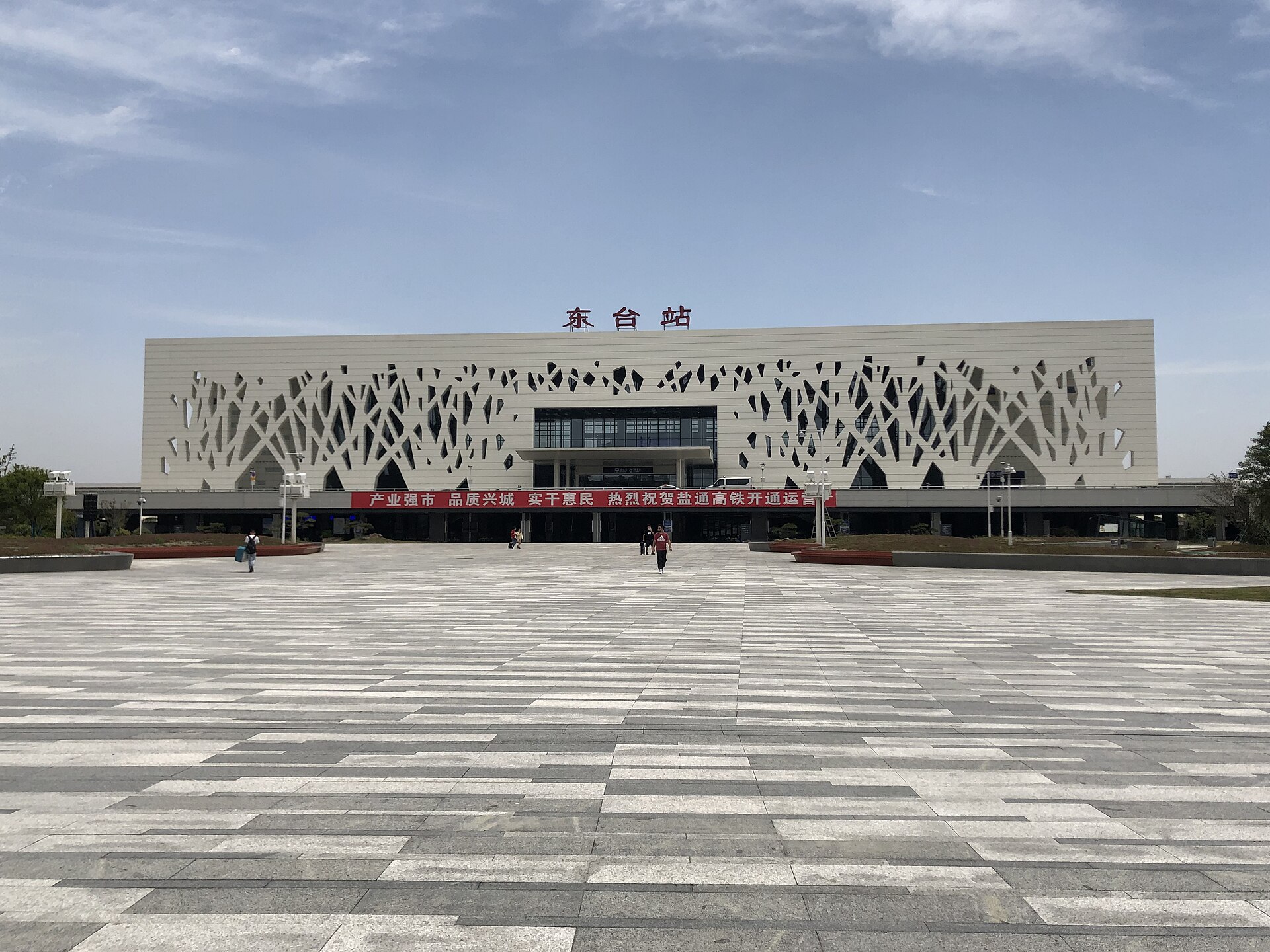
The minibus rattles to a halt beside a salt-crusted dike. Through the open door comes the smell of brine and diesel, mixed with the sweet steam of pork buns from a roadside stall. An elderly woman in a wide straw hat waves a plastic bag of dried shrimp, shouting prices into the wind. This is the eastern edge of Dongtai, where the Yellow Sea laps against reclaimed land and the city’s rhythm is still set by the tide.
Getting There
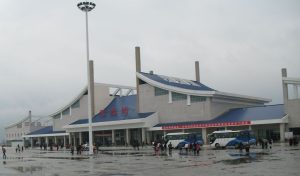
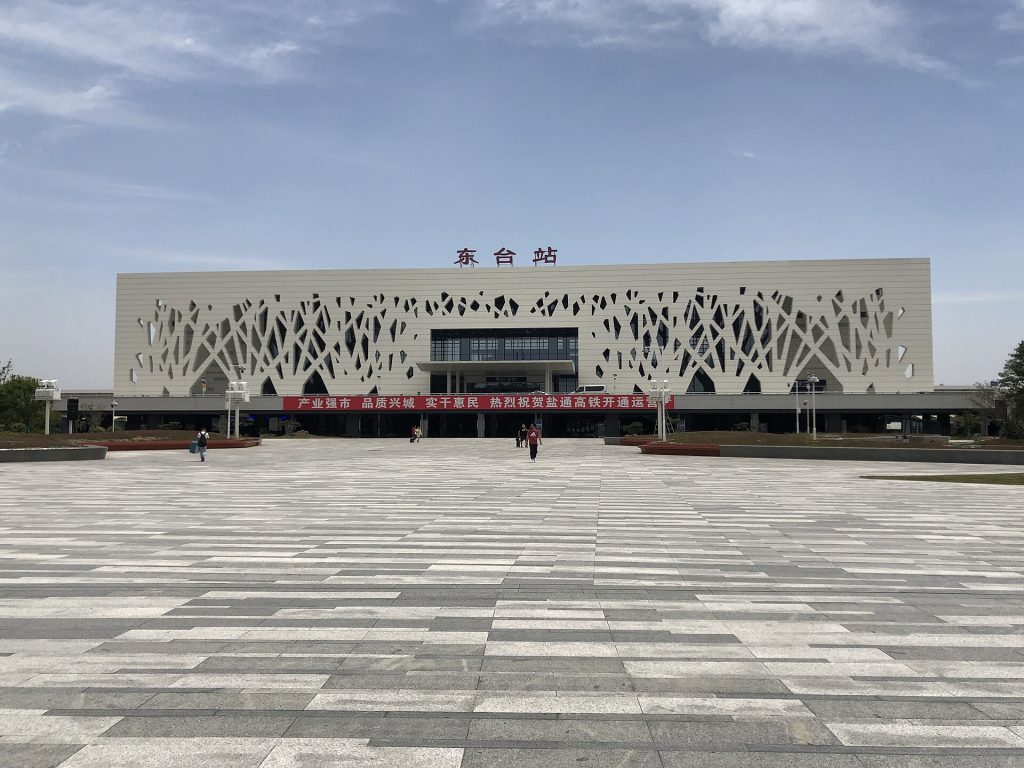
Most visitors arrive via Yancheng Nanyang Airport, about an hour’s drive north. High-speed trains from Shanghai or Nanjing terminate at Yancheng Station; from there, a local bus or a hired car covers the remaining forty kilometers in under fifty minutes. If you are already exploring the Jiangsu coast, the G15 Shenhai Expressway cuts straight through the city. Long-distance coaches from Nanjing’s main stations run frequently during the day, dropping passengers at the central bus terminal on Renmin Road.
Moving Around
The urban core is compact enough to navigate by shared bicycle. Blue-and-white dockless bikes cluster near every major intersection; scan the QR code with Alipay or WeChat and you are rolling. For the coastal wetlands and the old town lanes, a taxi or a ride-hail car is more practical. Drivers know the shortcuts through the fish-market alleys that no map shows. City buses run on a handful of radial routes—Bus 101 links the train station, the salt museum, and the pagoda park—but intervals stretch to thirty minutes after sundown.
What to See
Start at Haichunxuan Pagoda, a seven-story brick tower rising from a pocket park just west of the city center. Climbing the narrow spiral staircase rewards you with a view of tile roofs giving way to salt pans and, on a clear day, the hazy line of the sea. The structure dates to the Song dynasty, though the upper levels were rebuilt after a lightning strike in the early Republic era.
Walk ten minutes north to the Former Residence of Feng Daoli, a Qing-era courtyard house where the scholar-official drafted essays on hydraulic engineering. The wooden lattice windows still filter light onto calligraphy scrolls hanging in the main hall. Nearby, the Bao Family Building showcases the wealth of a salt-merchant clan: carved beam ends, a moon gate opening onto a koi pond, and a hidden compartment behind a bookshelf where ledgers were once stashed.
For wartime history, the Monument to the Anti-Japanese Martyrs of the Central Jiangsu Fourth Division stands on a low hill east of the river. Stone stelae list names of guerrilla fighters who operated in the reed marshes during the 1940s. Veterans’ descendants sometimes leave chrysanthemums at the base during the Qingming season.
If you have a half day, hire a tricycle to the Fuan Ming Dynasty Architectural Complex in the western suburbs. Three interconnected halls survive, each with dougong brackets painted in faded cinnabar. The site sees few tour groups, so you can hear the wind in the gingko trees and imagine the clan gatherings that once filled the courtyard.
What to Do
Join a salt-harvest demonstration at the coastal evaporation ponds. In late summer, workers rake crystalline layers into white mounds under a blinding sun. You can try the wooden rake yourself—expect blisters—and learn to grade the crystals by pinch-testing between thumb and forefinger. The nearby Salt Industry Museum displays bronze boiling pans, bamboo brine pipes, and a scale model of the ancient canal network that fed the pans.
Rent a kayak at the Xiaohekou Wetland Park when the tide is high. Paddle through channels bordered by Suaeda grass that turns crimson in autumn. Migratory spoonbills and black-faced spoonbills pause here on the East Asian–Australasian Flyway; bring binoculars and a waterproof notebook. Guides from the park office speak basic English and can point out the buried foundations of a Tang-era customs checkpoint visible at low water.
Evenings belong to the night market on Jiefang Road. Follow the plume of cumin smoke to stalls grilling lamb skewers, steaming mantou stuffed with pickled mustard greens, and frying hairy crabs dusted with pepper salt. Grab a plastic stool, order a bottle of cold Yanghe Daqu, and watch locals play xiangqi under strings of red lanterns.
Where to Eat
Dongtai cuisine leans salty, fresh, and slightly sweet—the hallmark of coastal Jiangsu. The signature dish is xiangyou dazha xie, hairy crabs steamed with ginger vinegar, best eaten in the ninth lunar month when the roe is firm and golden. Another staple is huangtang xiaoyu, tiny silver fish simmered in a broth of fermented bean paste, rock sugar, and shredded ginger until the bones soften enough to swallow.
- Restaurant: Lao Dongtai (老东台) on Xingfu Lane — order the crab, the silver fish, and a plate of stir-fried river shrimp with tea leaves.
- Street stall: Auntie Zhang’s bun cart at the intersection of Renmin and Jiefang — pork-and-salted-vegetable buns, steamed to order, skin thin as paper.
- Home-style: If a local family invites you, expect a clay pot of braised pork belly with preserved mustard greens, a bowl of clam-and-tofu soup, and a mound of rice mixed with chopped salted radish.
Where to Sleep
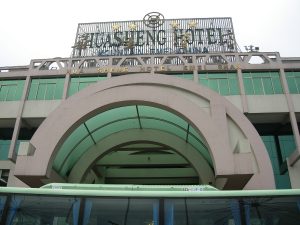
Business hotels cluster around the municipal government compound on Century Avenue. Rooms are clean, Wi-Fi is reliable, and breakfast buffets include congee, pickles, and steamed buns. For a quieter stay, book a courtyard guesthouse in the old town near the Bao Family Building. The host will likely serve tea on the veranda at dawn and point you toward the best morning market for fresh clams. Prices rise during the autumn crab festival and the spring lantern fair; reserve at least two weeks ahead for those periods.
Common Mistakes
- Assuming the coastal sites are accessible year-round. The wetland boardwalks flood during spring tides; check the lunar calendar and aim for neap tide windows.
- Skipping cash. Many market vendors and tricycle drivers still prefer paper yuan; mobile pay works in shops but fails in areas with spotty signal.
- Wearing new sneakers on the salt flats. The brine eats stitching and stains leather. Bring rubber boots or cheap canvas shoes you can discard.
- Expecting English menus outside the two main hotels. Photograph the characters for crab (蟹), silver fish (银鱼), and salted vegetable (咸菜) before you go.
- Rushing the pagoda climb in midday heat. The brick interior traps humidity; go early or wait until the slant light of late afternoon.
Seasonal Rhythms
Spring brings the lantern fair to the pagoda park—paper rabbits, dragons, and lotuses glowing along the riverbank. Summer is the salt harvest, when the pans glitter like broken mirrors. Autumn is crab season; every restaurant hangs red banners announcing the first catch. Winter is quiet, the best time for solitary walks on the dike watching migratory geese stitch the sky. Plan your visit around what you want to taste or photograph, and the city will reveal itself one tide at a time.