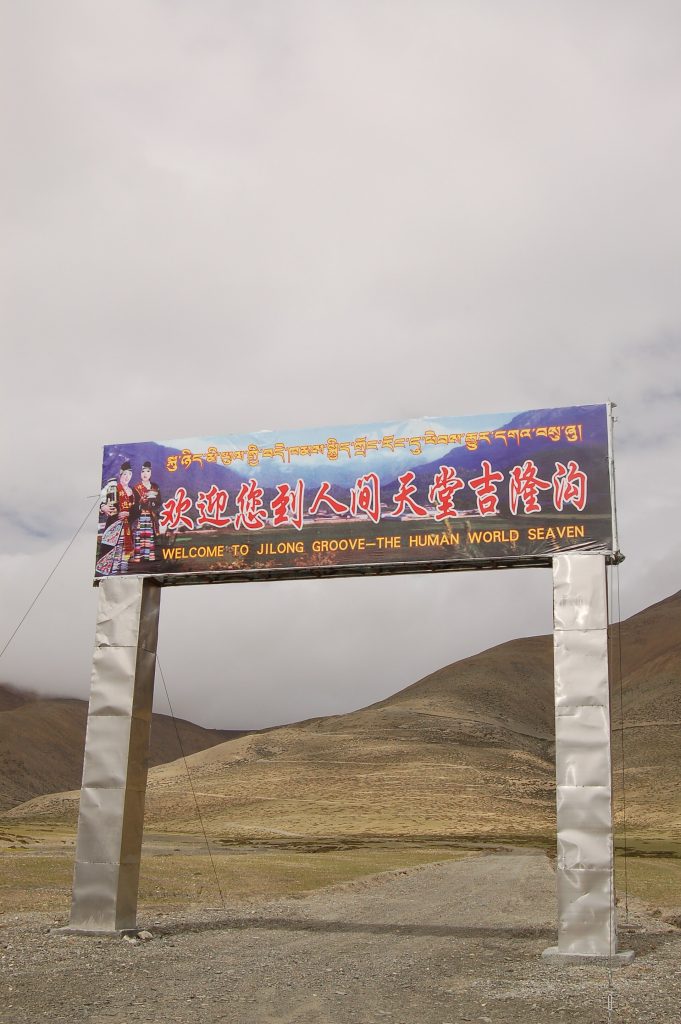
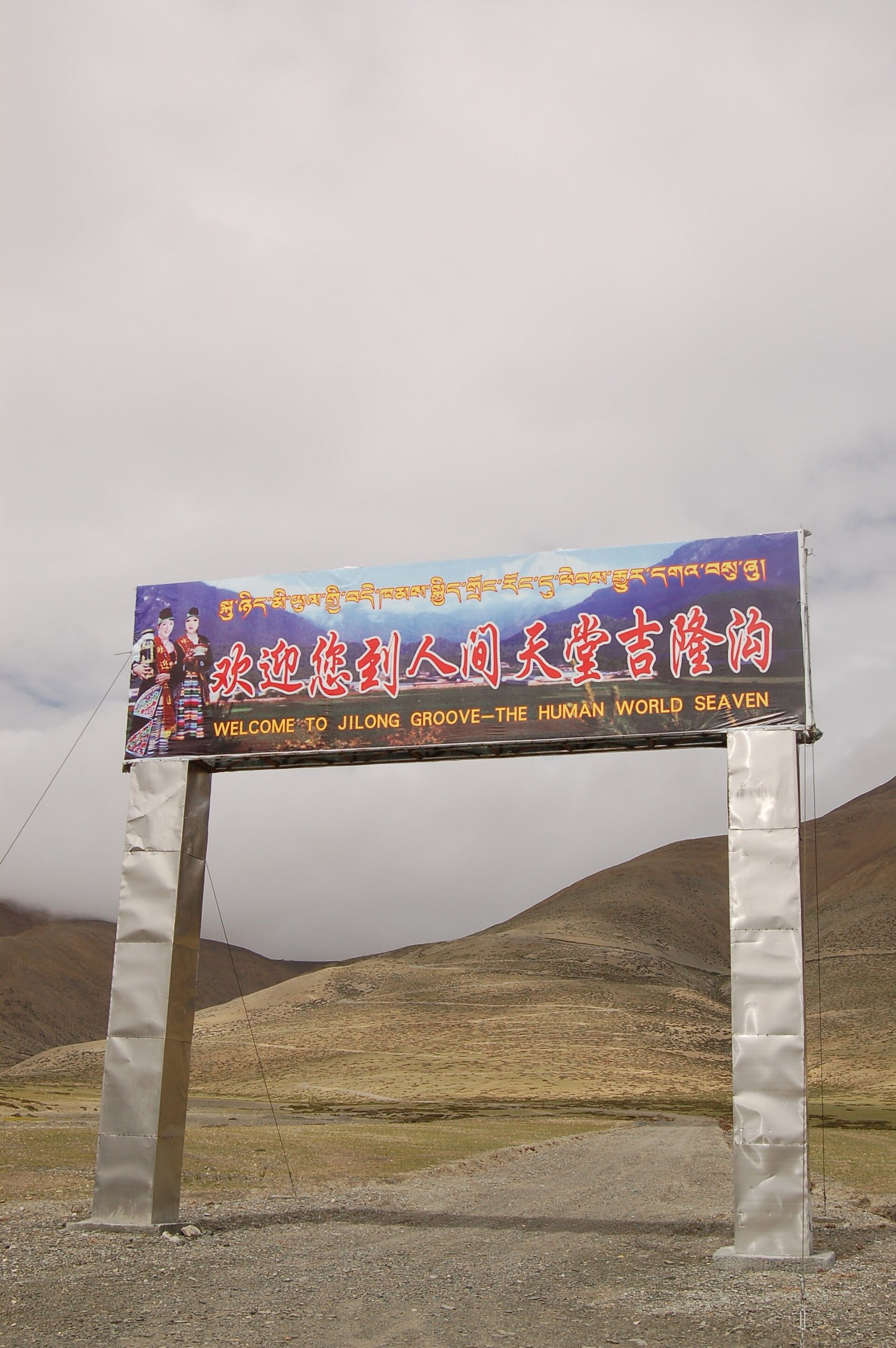
The Land Cruiser shuddered to a halt on a gravel apron where the asphalt simply ends. Ahead, the Resuo Bridge arched over the Trishuli River, its steel ribs painted the same faded red as the gatehouse flags. To the left, a row of Tibetan mastiffs strained against chains outside a noodle shop, ignoring the exhaust clouds from a line of Nepalese trucks idling in neutral. The altitude sat at 2,800 meters — low enough for the air to feel thick, high enough for a headache to bloom behind the eyes if you moved too fast. This was Gyirong Port, not the town, and the distinction mattered the moment the window rolled down and a uniformed officer asked for the permit stack.
Understanding the Two Gyirongs
Most maps drop a single pin labeled “Gyirong,” but the reality splits in two. The border crossing — officially Gyirong Port, locally called Resuo — clings to the riverbank at the bottom of a steep gorge. Twenty-five kilometers north, the actual county seat of Gyirong Town spreads across a wider valley floor where barley fields push against the foothills. The drive between them climbs a series of tight switchbacks that ice over before the winter solstice. If your paperwork clears at the port, you still need transport to the town for a proper bed, a hot shower, and the government guesthouse where the travel permit gets its final stamp. Treating them as one location is the quickest way to spend a night sleeping in a truck cab.
Permits That Actually Work
A standard Chinese tourist visa stamped in your passport at an embassy abroad is useless here. The Gyirong corridor operates under a special entry policy that requires a Tibet Travel Permit (TTP) arranged in advance through a registered Tibetan agency, plus a separate Border Permit for the county itself. The agency submits your passport scan and visa copy to the Tibet Tourism Bureau in Lhasa, then to the Public Security Bureau in Shigatse. Approval usually takes ten working days, but during the spring pilgrimage season it can stretch to three weeks. No agency, no permit. No permit, no entry — even if you hold a valid Chinese visa. The Nepalese side at Rasuwa Gadhi issues a gratis visa on arrival for most nationalities, but that only gets you to the bridge. The Chinese side decides whether you cross it.
- Tibet Travel Permit (original, held by your guide)
- Border Permit for Gyirong County (original, checked at the port gate)
- Chinese Group Visa (if entering from Kathmandu, issued by the Chinese Embassy there)
- Passport with at least six months validity
Crossing the Bridge: Step by Step
The sequence never varies. Your Tibetan guide meets you at the Nepalese immigration shed in Timure, collects the group passports, and walks them through the Nepali exit stamp. You follow on foot across the Resuo Bridge — no vehicles allowed for pedestrians — carrying daypacks while porters shuttle the heavy luggage on handcarts. Mid-span, the river roars through a slot canyon, spray coating the railings even in the dry season. On the Chinese side, a covered walkway leads to the immigration hall where officers scan fingerprints, photograph faces, and match the Border Permit number to the name list. Vehicles clear customs in a separate compound; expect your Land Cruiser to be inspected for prohibited items — satellite phones, drones, religious texts deemed sensitive. The whole process takes two hours on a clear morning, four if a tour bus unloads ahead of you.
Getting There From Kathmandu
The 160-kilometer run from Thamel to the border used to be a day trip. Since the 2015 earthquake severed the Zhangmu-Kodari route, the traffic shifted here, and the road took a beating. A private Jeep from Kathmandu now leaves before dawn, reaches the border by early afternoon if the road holds, and costs what a mid-range hotel charges for a week. Shared jeeps depart from the Gongabu bus park when full — usually ten passengers — and cost a fraction, but they wait until the last seat sells. The Nepalese side has no ATM; bring crisp US dollars or Nepali rupees for the visa fee, porter tips, and the inevitable cup of milk tea at the Timure checkpoint.
Sleeping, Eating, and Acclimatizing
Gyirong Town has three guesthouses that accept foreigners: the government-run Snow Lion, a family place called Tashi Delek, and a newer concrete block behind the county hospital. Rooms are basic — twin beds, shared squat toilets, hot water from a solar tank that runs cold after 9 p.m. Meals arrive on stainless trays: hand-pulled noodles in yak broth, tsampa dough balls, stir-fried greens with dried chili, and sweet milk tea. Eat the noodles. The broth replaces salt lost on the climb, and the wheat digests easier than rice at this elevation. Spend two nights here before pushing toward Saga or Mount Kailash. The altitude gain from Kathmandu’s 1,400 meters to Gyirong’s 2,700 is brutal on day one; a third night cuts acute mountain sickness risk in half.
Side Trips Worth the Detour
If the permits allow a buffer day, two sites sit within easy reach. The Gyirong Valley hot springs bubble from a cliff face twenty minutes north of town — concrete pools, sulfur smell, locals soaking sore knees alongside pilgrims. No changing rooms; wrap a towel and wade in. Ten kilometers west, the ruins of Dzongka Fortress crown a ridge above the river. The hike up takes forty minutes through juniper scrub. From the watchtower base you see the entire corridor: the bridge, the customs sheds, the switchback road disappearing into cloud. Prayer flags snap on the summit cairn. Bring water, a wind layer, and the understanding that weather turns fast — the valley fills with mist by mid-afternoon, and the temperature drops ten degrees in minutes.
Mistakes That Cost Time
- Arriving without the Border Permit because the agency “forgot” to apply for the county-level stamp.
- Booking a flight out of Lhasa the same day you plan to cross — the road closes without notice for rockfall.
- Carrying a drone in checked luggage; it will be confiscated at the Chinese X-ray belt.
- Assuming the Nepali visa-on-arrival covers the Chinese side.
- Skipping the acclimatization night in Gyirong Town and heading straight to 4,500-meter passes.
The officer at the gate handed back the stamped permits with a nod. The Land Cruiser’s engine caught on the second turn. We rolled onto the bridge, the Trishuli flashing green far below, and the gorge walls closed in — prayer flags on the left, a waterfall freezing into lace on the right. Gyirong doesn’t announce itself. It just lets you through, one checkpoint at a time.