The minibus from Hangzhou’s west station rattles onto the G25 expressway, and within forty minutes the concrete gives way to water. Lake Tai spreads out to the left, a sheet of grey-green that swallows the horizon. By the time the driver pulls into the station beside the old city wall, the air smells of wet lotus root and wood smoke. This is Huzhou: close enough to the megacities for a day trip, far enough to keep its own rhythm.
Getting oriented
The city sits on the southern shore of Lake Tai, with the old town wrapped around a network of canals that feed into the lake. Most visitors base themselves in Wuxing district, where the high‑speed rail station, the main bus hub, and the historic lanes are all within a twenty‑minute walk of each other. Nanxun, the ancient water town thirty kilometres to the northeast, feels like a separate destination — plan a full day there rather than a quick stop.
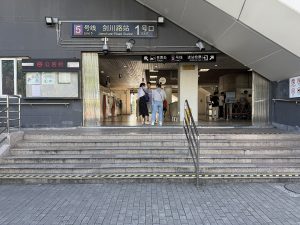
If you arrive by high‑speed rail, exit the station onto Renmin Road and follow the signs for the Grand Canal cultural belt. Electric buses numbered 1, 101, and 168 run every ten minutes along the canal to the old town core. Taxis are plentiful but often refuse short hops during rush hour; a shared e‑bike from the dock beside the station is faster and costs a few yuan.
Walking the old canals
Start at the intersection of Yishang Street and Hongqiao Road. The stone arch bridge here dates to the Ming dynasty, its balustrades worn smooth by centuries of shoulders. Vendors set up folding tables before dawn, steaming bamboo baskets of xiaolongbao and frying youbing in blackened woks. Order a bowl of wonton soup with a spoonful of pickled mustard greens, then follow the canal west toward the former residence of Shen Yiliang, a Qing‑era scholar whose garden still holds a ginkgo tree that drops golden fans every autumn.
- Morning market on Yishang Street — arrive before 7 a.m. for the best xiaolongbao.
- Shen Garden — free entry, open until dusk; the ginkgo peaks in the tenth lunar month.
- Canal-side teahouses — look for the red lanterns; a pot of Longjing and a plate of salted peanuts costs about twenty yuan.
Don’t try to “do” the canals like a checklist. Locals sit on low stools, fanning themselves with feather fans, arguing over mahjong tiles. Join a table only if invited; otherwise, keep moving and let the rhythm of the water set your pace.
Lake Tai at sunrise and sunset
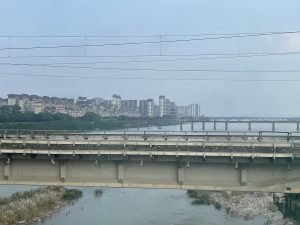
The lake is the city’s lung. In the early morning, mist clings to the willow fringes and fisherman push flat‑bottomed boats through reeds, hauling nets heavy with whitebait and hairy crabs. By late afternoon, the water turns molten gold and the promenade near the Taihu Lake Bridge fills with kite flyers, square‑dance groups, and couples sharing roasted sweet potatoes.
Rent a single‑person kayak from the dock at Moon Island (Yue Dao) — no license needed, just a deposit and a life jacket. Paddle toward the Three Islands (San Shan) where egrets nest in the camphor trees. If you prefer solid ground, the lakeside bike path runs twenty kilometres from the bridge to the wetland park; shared bikes unlock with a phone scan and cost a yuan per half hour.
- Kayak rental: Moon Island dock, 6 a.m.–6 p.m., deposit 200 yuan.
- Bike path: start at Taihu Lake Bridge, follow green signs for “Taihu Greenway.”
- Best light for photos: first hour after dawn, last hour before dusk.
A common mistake is hiring a motorized tour boat that circles the same fifty‑metre loop. You see the same pagoda roof three times and miss the herons hunting in the shallows. Paddle or pedal; the lake rewards slowness.
Nanxun: the water town that kept its manners
Thirty kilometres northeast, Nanxun avoids the tour‑bus crush that flattens Zhouzhuang and Tongli. The town grew rich on silk and the feather‑fan trade, and the merchant mansions still line the canals, their white walls and black tiles reflected in water that stays clear enough to see carp.
Take the 108 bus from Huzhou South Station — ninety minutes, leaves every half hour. Get off at the Nanxun visitor centre, buy the through‑ticket (covers the major gardens and museums), and enter through the south gate. The first courtyard you reach is the Little Lotus Garden, built by a silk merchant who wanted a place to listen to rain on banana leaves. The pavilion’s windows frame a single lotus pond; sit there long enough and you’ll hear the old men playing erhu in the teahouse across the canal.
- Bus 108 from Huzhou South Station, 6 a.m.–6 p.m.
- Through‑ticket covers Little Lotus Garden, Jiaye Hall, Liu’s Garden, and the Feather Fan Museum.
- Stay for the evening lantern lighting — canals glow amber, no ticket needed after 6 p.m.
Don’t rush to the Feather Fan Museum first. The fans are exquisite — goose feathers layered on bamboo, painted with lake scenes — but the workshop behind the showroom is where the craft lives. An elderly master will let you hold a half‑finished fan if you ask politely and don’t touch the feathers with oily fingers.
Silk, tea, and the hills behind the city
Huzhou’s silk reputation isn’t museum folklore. The Mulberry Silk Museum on Zhejiang Road shows the whole chain: silkworms munching leaves, cocoons boiling in copper vats, looms clacking out brocade. The gift shop sells bolts of unbleached silk at wholesale weight; bring a tape measure and bargain hard.
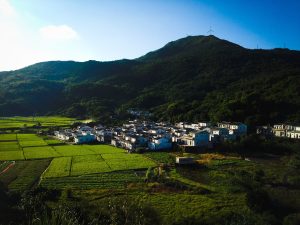
For tea, head to the foothills of Mogan Mountain, an hour’s drive west. The mountain was a foreign missionary retreat in the early twentieth century; stone villas still dot the slopes, now converted into guesthouses. The local green tea, Mogan Huangya, is picked before the Qingming festival, steamed and pan‑fried in small batches. A farmer named Lao Chen runs a tasting shed halfway up the paved road — he’ll brew three infusions in a glass cup, explaining how the second pour reveals the chestnut note.
- Mulberry Silk Museum: Zhejiang Road, 9 a.m.–5 p.m., free entry.
- Mogan Mountain: hire a driver or take the tourist shuttle from Huzhou West Bus Station.
- Lao Chen’s tea shed: look for the red banner reading “老陈茶铺” beside the hairpin bend at kilometre 12.
Beginners often buy vacuum‑packed “Longjing” from roadside stalls near the highway. Real Mogan Huangya comes in a tin, smells of toasted rice, and costs three times as much. Taste before you hand over cash.
Eating like a local
Huzhou cuisine leans sweet and savoury, heavy on lake freshwater produce. The signature dish is Taihu sanbai — three whites: whitebait, white shrimp, white fish — steamed with ginger and scallion until the flesh turns translucent. Order it at a family‑run place on Hecheng Road where the menu is handwritten on a whiteboard. Pair with a bowl of sanxian mian, hand‑pulled noodles in a broth thickened with dried shrimp and bamboo shoots.
For breakfast, join the queue at the stall beside the City God Temple. They serve zhenzhu yuanzi — glutinous rice balls stuffed with red bean paste, rolled in crushed peanuts and sesame, served in a ginger syrup that warms the fingers. Eat standing, bowl tipped to your lips, before the steam fades.
- Taihu sanbai — whitebait, white shrimp, white fish, steamed with ginger and scallion.
- Sanxian mian — hand‑pulled noodles, dried shrimp, bamboo shoots, pork bone broth.
- Zhenzhu yuanzi — glutinous rice balls, red bean paste, peanut‑sesame coating, ginger syrup.
A mistake visitors make is asking for “spicy” in a Huzhou kitchen. The local palate prizes freshness over heat; the chef will add a token dried chilli and consider the request satisfied. If you need fire, bring your own chilli oil.
Practical rhythms
Spring (the second and third lunar months) brings the silk market and the tea harvest — hotels fill fast, book a month ahead. Summer is hot and humid; the lake breezes help, but afternoon thunderstorms can strand you on a boat. Autumn, especially the ninth and tenth lunar months, offers crisp air, ginkgo gold, and the hairy‑crab season. Winter is quiet; many canalside teahouses close for the month around the Spring Festival.
Cash is still king in the morning markets and at Lao Chen’s tea shed. Alipay and WeChat Pay work everywhere else, but keep a hundred yuan in small notes for the ferry to Moon Island and the bike deposits. Mandarin gets you by; the local Wu dialect is thick, but younger people switch to standard Chinese quickly.
If you have only one day, do the canal walk, the lake at sunset, and a bowl of sanxian mian. If you have three, add Nanxun and a morning on Mogan Mountain. The city doesn’t demand a checklist — it rewards the willingness to sit on a stone bridge, watch the water move, and let the feather fan do its work.