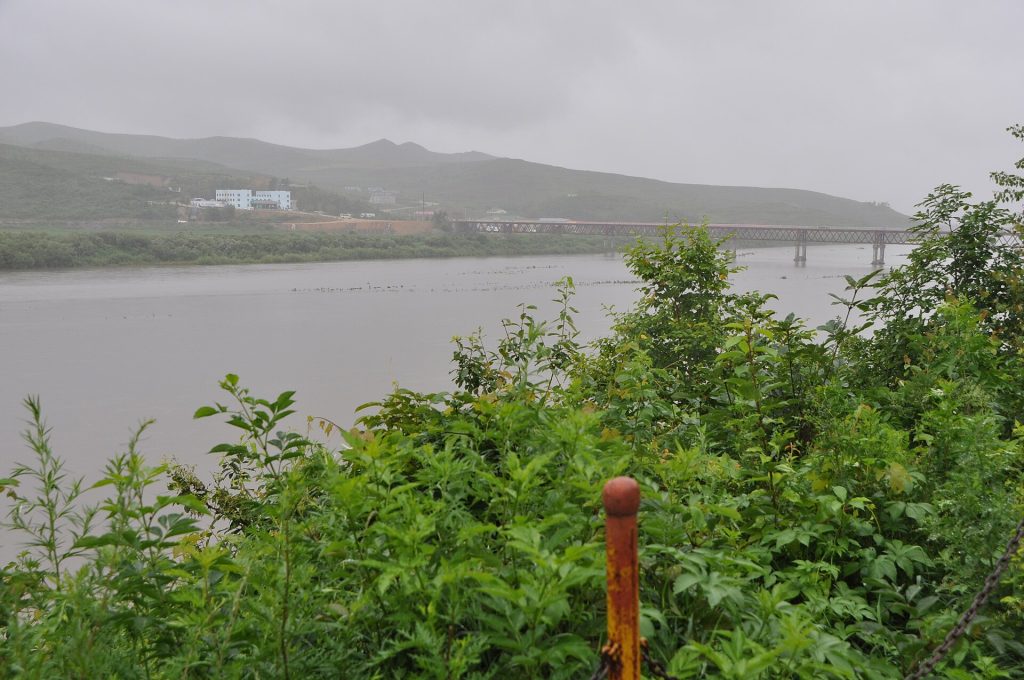
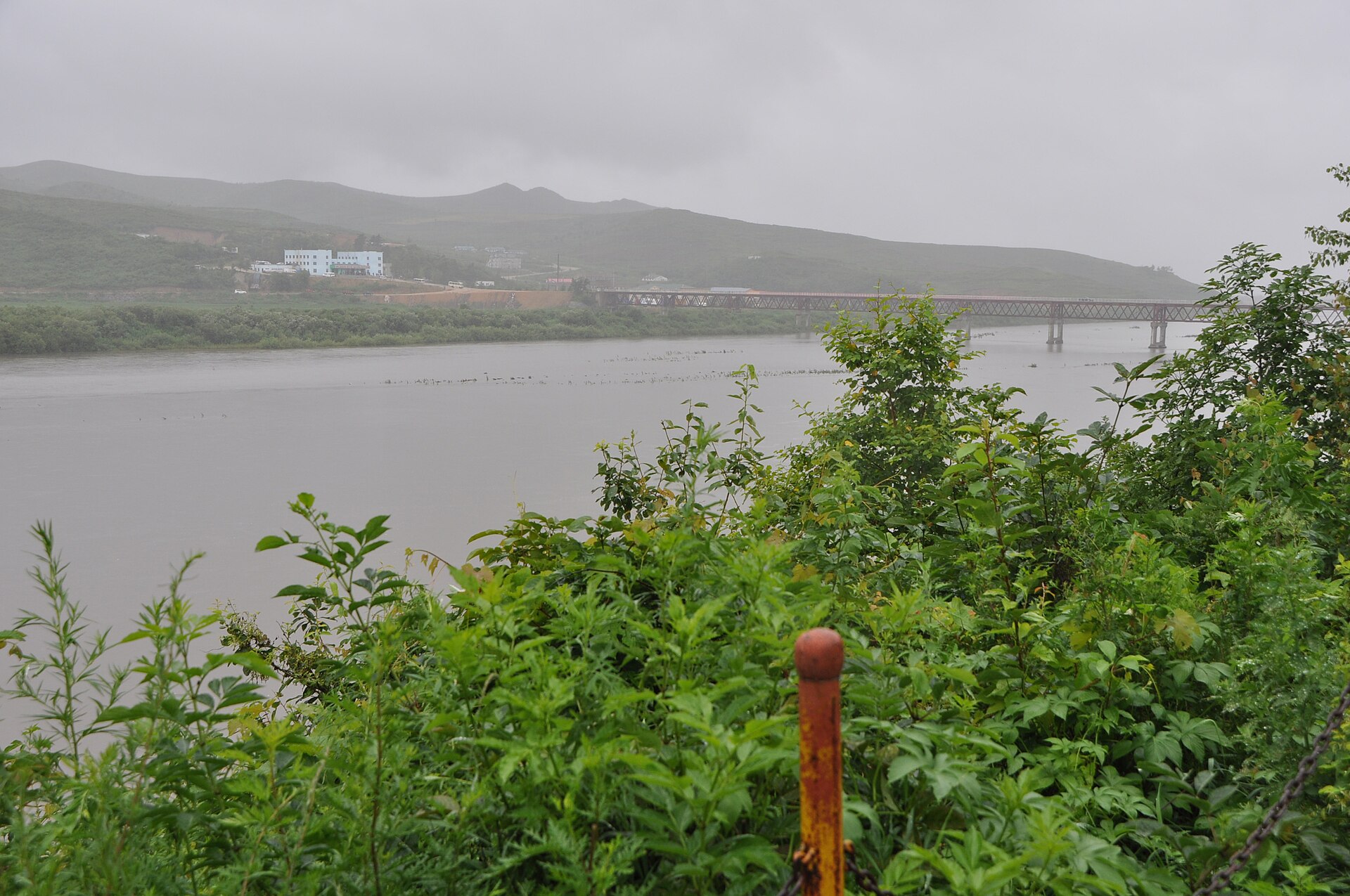
The minibus shudders to a halt on a gravel shoulder outside Fangchuan village. Through the open door comes the smell of pine needles and river mud, cold even in late spring. Ahead, the Tumen River spreads wide and gray, slipping toward the Sea of Japan. To the left, a North Korean guard post flies a flag that barely moves; to the right, a Russian cargo train rattles across a bridge, its horn a low moan that vibrates in the chest. Three countries, one horizon, and the only sound besides the water is a vendor calling out the price of dried pollack.
Getting There and Moving Around
Most travelers fly into Yanji Chaoyangchuan Airport, then hire a car or share a van for the two‑hour drive northeast. The highway follows the Hunchun River through valleys that turn gold in autumn and hold snow until Qingming. If you prefer rail, the high‑speed line from Changchun terminates at Hunchun South Station; from there, local buses run to the city center every twenty minutes. Inside the city, taxis are plentiful and meters start around eight yuan. For the border scenic zone, book a seat on the daily tourist shuttle that leaves the main square at 8 a.m. and returns before dusk — private drivers will quote triple the price once they hear “Fangchuan.”
Border Views and the Fangchuan Scenic Area
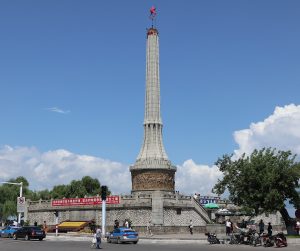
The observation tower at Fangchuan sits on a low hill capped with a red‑tiled pavilion. Climb the spiral staircase to the third floor and you can trace the Tumen’s final kilometers: North Korean rice paddies hug the near bank, Russian forestry land rises in dark ridges behind them, and Chinese border fences glitter in the sun. The best light comes after the morning mist burns off, usually around 10 a.m. in the fourth lunar month. Bring binoculars if you want to read the Cyrillic lettering on the Russian customs building; a zoom lens works, but the glass on the tower windows is thick and slightly green.
- Wear sturdy shoes — the path from the parking lot to the tower is uneven stone.
- Carry your passport; the checkpoint at the village entrance checks every ID.
- Photography of military installations is prohibited; signs are in Chinese, Korean, and Russian.
- Toilets are squat‑style and unheated; pack tissue and hand sanitizer.
Korean Culture in Daily Life
Hunchun’s streets carry the rhythm of Yanbian Korean Autonomous Prefecture. Bilingual signs hang above every shop, and the aroma of fermented soybean paste drifts from basement kitchens at noon. On the weekend of the Dragon Boat Festival, the cultural square fills with women in chima jeogori performing the farmers’ dance, their ribbons snapping like whip cracks. You can join a short workshop at the Korean Folk Museum — usually a Thursday afternoon — where an ajumma teaches you to fold paper into norigae pendants. Don’t assume every local speaks fluent Korean; many younger residents default to Mandarin, and a few words of Chinese go further than a phrasebook.
Nature Beyond the Border
East of the city, the Hunchun National Nature Reserve protects a corridor where Amur tigers have been photographed by camera traps. The reserve’s visitor center issues day permits for the 12‑kilometer loop trail that follows a creek through oak and birch. In early summer, wild ginseng leaves unfurl beside the path — look, don’t dig. Birders come for the black‑faced spoonbill and the red‑crowned crane during the autumn migration. The trail is marked with blue paint on trees; after heavy rain the wooden boardwalks turn slick, so a hiking pole saves knees on the descent.
Food Stops Worth the Detour
Lunch in Hunchun usually means a steaming stone bowl of rice topped with namul, a fried egg, and a spoonful of gochujang — bibimbap the way grandmothers make it. Order the cold buckwheat noodles (naengmyeon) in a stainless‑steel bowl; the broth should be icy, vinegary, and faintly sweet from pear juice. For a snack, hunt down the market stall selling steamed corn cakes dusted with soybean flour — they crumble in your fingers and taste of smoke. Avoid the “tourist set menus” near the tower; they swap house‑made kimchi for a factory jar and charge double.
- Ask for “laoban niang de shoucai” — the owner’s homemade pickles — to test authenticity.
- Portions are large; one bibimbap feeds two light eaters.
- Cash is king in alley restaurants; WeChat Pay works in malls but often fails in basements.
Practical Mistakes Newcomers Make
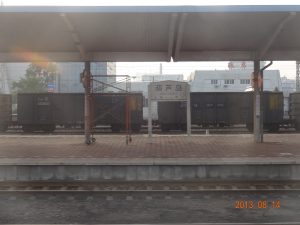
First‑timers often book a hotel in Yanji to save money, then spend four hours a day on the road. Stay in Hunchun city proper — the riverside guesthouses have heated floors and cost less than a Yanji chain. Another error: assuming the border is open for casual crossing. The Fangchuan viewpoint is a lookout, not a checkpoint; the actual land ports at Quanhe and Hunchun Railway Port require advance permits and a registered tour group. Finally, don’t pack only light layers. Even in the sixth lunar month, the wind off the river cuts through a hoodie. A packable down vest weighs nothing and earns its keep the moment the sun drops behind the Russian hills.