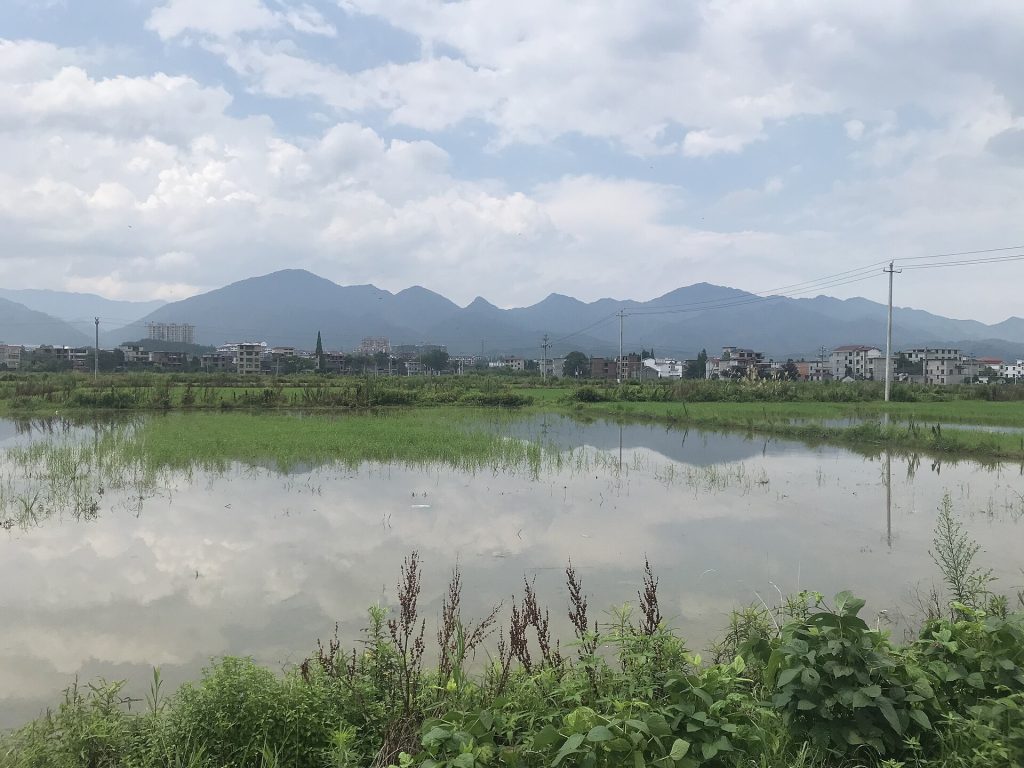
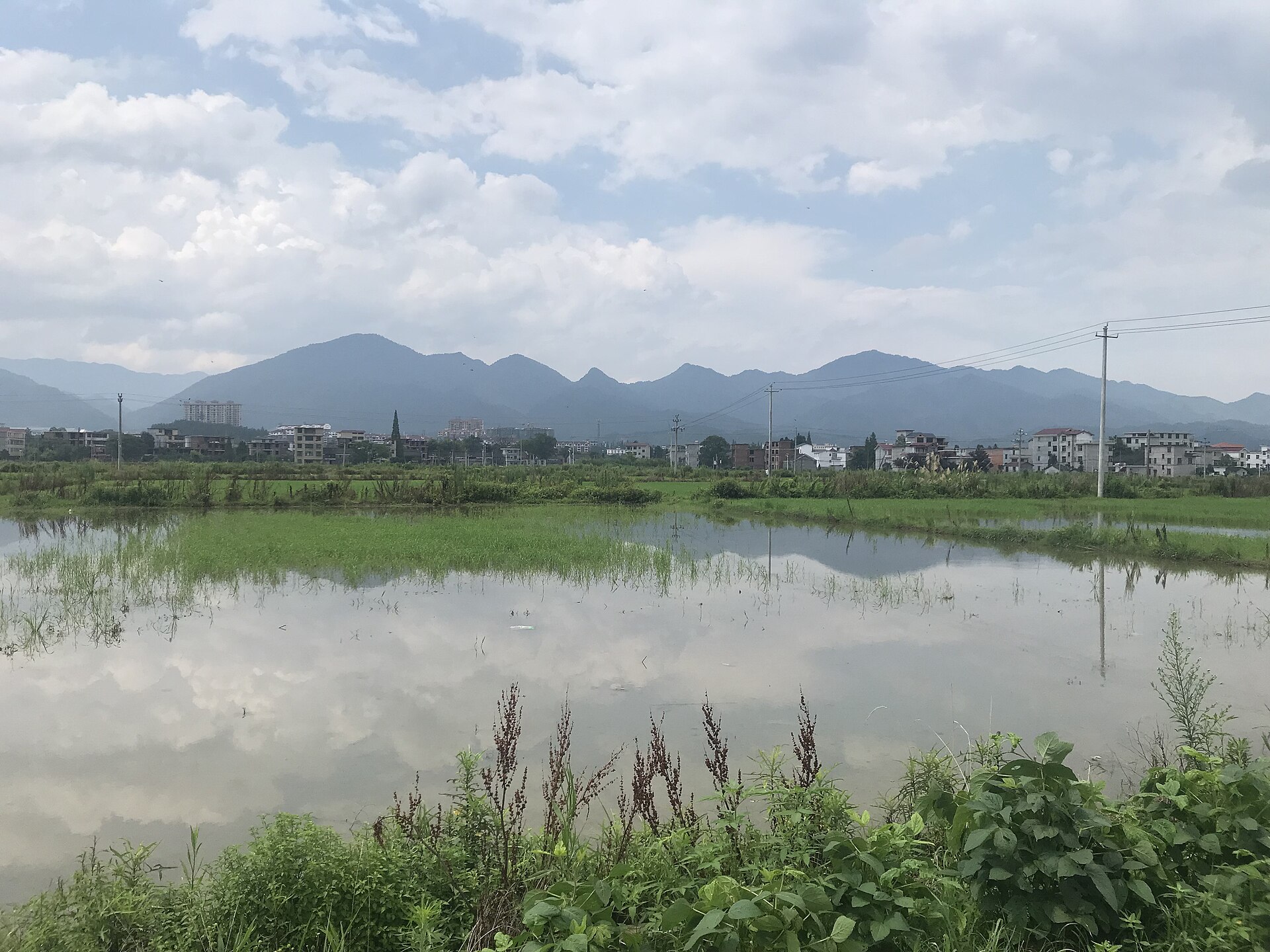
The minibus lurches around a hairpin bend, diesel fumes mixing with the wet scent of pine and bamboo. Through the window, the mountains roll out in layers — ridges fading into mist, terraced tea fields clinging to slopes so steep they look vertical. Ahead, a red flag snaps above a gray-tiled roof: the Revolution Museum. My knees are already sore from yesterday’s climb to Longtan Waterfall, and the driver is shouting something about the last shuttle to Ciping. This is Jinggangshan — not a theme park, not a museum piece, but a working landscape where history and hiking boots share the same muddy paths.
Getting There and Moving Around
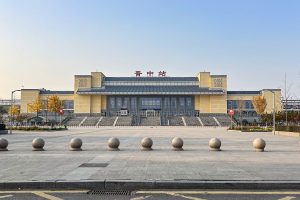
Most visitors arrive by high-speed train to Jinggangshan Station, which sits in the valley town of Taihe — about forty minutes by road from the mountain scenic area. From the station forecourt, official taxis and shared minivans wait for a full load before heading up the winding county road. The ride costs roughly thirty to forty yuan per seat in a shared van; a private taxi runs closer to one hundred fifty. Buses also run from Ji’an city, two hours away, but schedules shift with the season.
Once on the mountain, the scenic area operates a shuttle network that connects the main gates, the museum, Longtan, Huangyangjie Pass, and the Ciping town center. A two-day shuttle pass is sold at the entrance booth; keep the paper ticket — inspectors check it at every stop. Shuttles run from roughly seven in the morning until six in the evening, but the last departure from Longtan back to Ciping often leaves earlier than posted. Taxis and ride-hail cars can enter the scenic zone but cost triple the city rate. Many hikers simply walk the ridge trails between sites; the paths are marked with red-and-white paint blazes on rocks and tree trunks.
Red Tourism Sites: What You Actually See
The Revolution Museum sits on a low hill overlooking Ciping. The building is low-slung, gray brick with upturned eaves, fronted by a courtyard where school groups line up for flag-raising ceremonies. Inside, the exhibits follow the chronology of the 1927–1929 base area: hand-copied land reform decrees, a wooden printing press hidden in a cave, oil lamps made from tin cans. Captions are in Chinese and English, but the English labels are terse — “Comrade Mao’s writing brush,” “Radio transmitter, captured 1928.” Allow ninety minutes if you read everything; forty minutes if you only want the artifacts.
Huangyangjie Pass, twenty kilometers northwest, is a different experience. The pass itself is a stone archway straddling the ridge, wind whipping through even in summer. Below, the valley drops away in a V-shape; on clear days you can see the Gan River plain. The defensive trenches and gun emplacements have been stabilized with concrete, but the original firing steps remain. A small exhibition hall displays captured Nationalist rifles and a relief map of the 1928 defense battle. Veterans’ descendants sometimes guide visitors here — listen for the stories about carrying ammunition up the goat tracks at night.
Octagon Tower (Bajiao Lou) in Maoping village is where Mao Zedong lived and wrote during the winter of 1927. The tower is a two-story brick structure with an eight-sided upper room — hence the name. The interior is furnished with replicas: a wooden desk, a straw mattress, an oil lamp. The real draw is the courtyard outside, where an old camellia tree blooms red in early spring. Villagers still live in the surrounding lanes; their laundry hangs across the alley, and the smell of woodsmoke and frying chili drifts from open doors.
Hiking Trails: Ridge Lines and Waterfall Stairs
The classic Longtan Waterfall hike starts at the Longtan parking lot, seven kilometers north of Ciping. The trail descends a stone staircase — over two thousand steps, by the park’s count — past five major cascades and eighteen named pools. The first fall, Dragon Pool, drops thirty meters into a circular basin the color of jade. Further down, the water fans over a wide rock face, creating a curtain you can walk behind when flow is low. The stairs are uneven, slick with moss, and the handrails end halfway down. Wear shoes with grip; sandals are a mistake.
For a longer ridge walk, take the shuttle to Huangyangjie and follow the Red Army Trail south toward Ciping. The path traces the supply route used during the 1928 encirclement campaign. It runs through pine forest, past collapsed bunkers and a cave hospital where surgeons operated by candlelight. The full ridge traverse takes five to six hours at a steady pace. Water sources are scarce — fill bottles at the Huangyangjie pavilion. There are no toilets between the two ends. In autumn, the maples turn scarlet; in spring, azaleas bloom pink along the ridgeline.
A shorter option: the Ciping to Maoping village loop. Start at the museum, walk down the old stone lane past the former Red Army Hospital site (now a clinic), cross the stream on a slab bridge, and climb the cobbled lane to Octagon Tower. Continue behind the tower onto the tea terrace paths — narrow dirt tracks between rows of waist-high bushes. The loop returns to Ciping via the main road; total distance about six kilometers, two hours with stops. Tea farmers often wave from the rows; some invite you to taste fresh-picked leaves rolled in the palm.
Eating on the Mountain: Table Flavors and Kitchen Realities
Jinggangshan cuisine leans heavy on smoked pork, cured tofu, mountain herbs, and river fish. Dishes arrive family-style on lazy Susans in the larger restaurants near Ciping’s main square; in village guesthouses, the hostess brings bowls to a square table in the courtyard. The flavors are salty, spicy, and smoky — chili oil floats red on every soup.
- Smoked pork with bamboo shoots (腊肉炒笋) — thick-cut pork belly cured over tea wood, stir-fried with spring bamboo shoots and garlic chives. The fat renders translucent; the shoots stay crisp.
- Yongxin dog meat (永新狗肉) — a local specialty, slow-braised with ginger, star anise, and dried chili until the meat falls off the bone. Served in a clay pot with a ladle of dark broth. Not every restaurant offers it; ask before ordering.
- Home-fried duck blood (家常炒鸭血) — fresh duck blood set into soft cubes, tossed with pickled mustard greens, chili, and scallions. Texture like firm tofu, flavor iron-rich and savory.
- Glass fish (玻璃鱼) — tiny transparent fish from mountain streams, dusted with sweet potato starch and deep-fried whole. Eaten bones and all, dipped in vinegar-garlic sauce.
- Fried partridge (炒山鹧鸪) — wild-caught (or farmed) bird, hacked into bite-sized pieces, stir-fried with wild pepper and ginger. Gamey, chewy, best with rice.
- Orange wire (橙丝) — candied orange peel shreds, glossy and sticky, served as a palate cleanser or dessert.
In a village kitchen, the hostess cooks over a wood-fired wok. She renders lard first, then adds dried chili until the oil turns crimson. Vegetables go in — bitter melon, cowpea, pumpkin vine tips — each cooked just long enough to lose rawness. Rice steams in a bamboo tube set over the same fire. If you’re invited to help, wash the greens in the stone trough; don’t touch the wok handle unless told.
Restaurant ordering tip: point to the chalkboard menu on the wall — photos help. Specify “less oil, less salt” (少油少盐) if the standard preparation is too heavy. Portions are large; two dishes plus rice feeds three adults. Pay at the front counter after eating; mobile QR codes work everywhere.
Sleeping, Connecting, and Common Missteps
Accommodation clusters in Ciping and Maoping. Ciping has larger hotels — some in converted sanatoriums from the 1980s — with heating, hot water, and Wi-Fi that handles video calls. Maoping offers family-run guesthouses in traditional courtyard houses: tamped-earth floors, kang beds heated by a firebox below, shared bathrooms down the hall. Book ahead for weekends and the “Red Army Festival” period in late autumn; rooms vanish fast.
Mobile signal is solid in Ciping and along the main road. On the ridge trails and at Longtan, only China Mobile holds a bar or two. Download offline maps before you hike. The scenic area’s free Wi-Fi hotspots require a Chinese phone number for SMS verification — foreign numbers rarely work. Buy a local SIM at the station kiosk if you need data on the mountain.
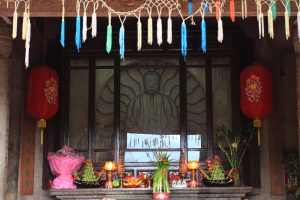
Newcomers often make three mistakes. First, they underestimate the altitude gain — Ciping sits at 400 meters, but Huangyangjie tops 1,300. The air thins fast; pace yourself on the first day. Second, they pack city sneakers. The stone stairs and muddy ridges demand ankle support and tread. Third, they treat the sites as photo backdrops. At the museum and Octagon Tower, local visitors bow, offer incense, or stand in silence. Step back, lower your voice, and let them have the moment. You’re a guest in someone else’s memory.
Leaving and What Stays
The last shuttle down the mountain leaves Longtan at five-thirty in the afternoon, but the driver often waits until the lot clears. If you miss it, a taxi back to Taihe station costs two hundred yuan — negotiable if you share with other stranded hikers. The train ride out passes the same tea terraces, the same mist-cloaked ridges. In your pack, a vacuum-sealed bag of smoked pork, a handful of dried bamboo shoots, maybe a pressed azalea flower from the trail. The mountain smell — pine resin, woodsmoke, wet stone — lingers in your jacket for weeks. That’s the part you keep.