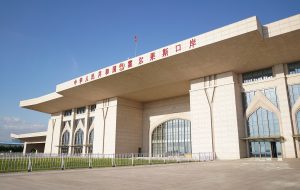
The train hissed to a halt on Platform 3, and the air rushing through the open doors smelled of river silt and frying garlic. I dragged my bag down the steel stairs into the square outside Jiujiang Station, where a knot of taxi drivers shouted destinations over one another—Lushan, the port, the old street. A vendor at the edge of the forecourt was hacking a watermelon into pink triangles, juice running over his knife onto the pavement. That was my first breakfast in the city: cold, sweet, and sticky on my fingers, eaten while I watched the Yangtze glitter through the gap between the station and the highway overpass.
Getting There Without Losing a Morning
Jiujiang sits where the Beijing–Kowloon line crosses the Yangtze, so trains arrive from Beijing, Shanghai, Kunming, and Xiamen without changing. The high-speed station is on the western edge of the urban area; the older conventional station sits closer to the river. If you are coming from Nanchang, the bullet train takes just over an hour. From Wuhan, it is about two and a half. Buses from the long-distance station next to the conventional railway hub run to the mountain and to county towns like Wuning and Pengze, but schedules shift with the season. I once waited forty minutes for a bus to Lushan that the timetable swore left on the hour; the driver shrugged and said the fog on the mountain had delayed the return trip. Build in slack.
Where to Sleep: River View or Mountain Mist
Two distinct bases make sense. Stay near the Binjiang Road promenade if you want evening walks along the levee, late-night crayfish stalls, and a short taxi to the train station. Rooms in the mid-range chains here face the water; ask for a high floor so the headlights of the riverside expressway do not sweep your curtains at midnight. The alternative is a guesthouse inside the Lushan scenic zone. You trade convenience for silence—pine needles on the roof at dawn, monkeys chattering in the camellia bushes. Book a place with its own parking lot if you are driving; the mountain roads clog fast on holiday weekends, and the ticket gate queues can stretch back two kilometers.
Eating: What Lands on the Table
Jiujiang cuisine leans salty, spicy, and freshwater. The signature dish is stewed fish head with chopped chili—broad, glossy, the meat falling off the cartilage in white flakes. You will also see “three steams”: steamed pork with rice flour, steamed fish with fermented bean curd, steamed chicken with ham and mushroom. Street side, the smell of oil-tea hits you before you see the stall: puffed rice, fried dough sticks, peanuts, and a ladle of hot tea poured over the lot, eaten with a spoon while standing.
- Fish head with chopped chili – bighead carp head, doubled-edged red chili paste, ginger, garlic, steamed twenty minutes until the sauce seeps into the gills.
- Oil-tea (yóuchá) – glutinous rice puffs, fried dough twists, peanuts, scallions, poured with strong green tea broth.
- Lotus root stuffed with sticky rice – cross-section shows pink pores; sweet osmanthus syrup drizzled on top.
- Pengze crucian carp – small, deep-fried crisp, eaten bones and all with a vinegar dip.
Ordering in a local restaurant: point to the live tank for the fish, ask for “qīngzhēng” (clear steam) if you want it without chili, and specify “bù yào tài xián” (not too salty) because the default hand is heavy on soy. A common mistake is ordering one massive dish for two people; portions are calibrated for family sharing. Order two vegetable plates—stir-fried water spinach with fermented tofu, and cold lotus root slices—and a bowl of rice each.
Two Days on the Ground
Day One – River and Old Streets. Start at the British Concession area on Binjiang Road. The red-brick consulate building still stands, its clock tower stopped at a quarter past nine. Walk west along the levee past the sculpture of a tea porter bent under a wooden chest—reminder that this port once shipped more tea than Hankou. Turn into Yuliang Old Street before the tour groups arrive. The lane is paved with worn blue stone; shops sell hand-rolled incense, copper tea caddies, and jars of pickled mustard greens. Sit at a wooden table in a courtyard house for a bowl of beef noodle soup: hand-pulled noodles, clear broth, cilantro, chili oil floating in red islands. After lunch, cross the Yangtze on the sightseeing ferry (fifteen minutes, open deck) for the view of the rail bridge and the twin pagodas of Suojiang reflected in brown water. Sunset drinks at a rooftop bar on the north bank; the neon of the bridge paints the ripple lines in magenta and cyan.
Day Two – Lushan. Take the early shuttle from the tourist transfer center at the foot of the mountain. The road coils through nineteen hairpin turns; if you get motion sick, sit front right and stare at the guardrail. At the top, buy the through-ticket that covers the shuttle bus loop. First stop: Flower Path, where the poem by Bai Juyi is carved into a cliff face—ink rubbed gold by generations of fingers. Walk down to Three Tassel Spring; the water falls in three ribbons into a pool the color of jade. Lunch at a farmer’s kitchen near White Deer Cave Academy: bamboo shoot stew, wild fern salad, rice cooked in a clay pot with a scorched crust you scrape off with a spoon. Afternoon cable car down from Hanyang Peak if your knees protest, otherwise hike the ridge to Immortal Cave for the view of Poyang Lake flattening to the horizon. Last bus down the mountain leaves at five-thirty; miss it and you are negotiating a private minivan in the dark.
Culture Beats: What Locals Expect
Tea culture here is not performative. In a teahouse on Yuliang Street, the owner will rinse the cups, wake the leaves with a flash pour, and hand you the first infusion without a word. You sip, nod, and the conversation starts. Refusing the first cup is read as disrespect. At a family dinner, the host serves the fish cheek—the tender morsel below the eye—to the eldest guest. If that is you, accept with both hands. Tipping does not exist; rounding up the taxi fare by a couple of yuan is plenty. During the Dragon Boat season, the riverbank fills with families eating zongzi wrapped in bamboo leaves, the strings tied in a distinctive cross knot. Do not untie it with your teeth; use your fingers, slowly, as if unwrapping a letter.
Mistakes That Cost Time or Face
- Arriving at Lushan gate on a Golden Week morning without a pre-booked entry slot. The online quota sells out by eight a.m.; the walk-up line snakes back to the toll booth.
- Taking a “black taxi” from the railway station to the mountain. Drivers quote a flat rate, then demand double at the gate, threatening to leave you there.
- Ordering “spicy” (là) thinking it means Sichuan peppercorn heat. Here it means dried red chili paste—oil-based, clinging, cumulative. Ask for “wēi là” (slightly spicy) if you are unsure.
- Walking the levee at midday in the seventh lunar month. The sun off the water is brutal; shade is scarce. Locals walk at dusk.
- Assuming English menus exist outside the two international hotels. Carry photos of the dishes you want, or learn the characters for fish head, oil-tea, and lotus root.
Pack a light rain shell even in the dry season; the mountain generates its own weather. A plastic stool from a roadside stall makes a better souvenir than a magnet—locals use them for mahjong, tea, and sidewalk naps. When the ferry horn sounds low across the Yangtze at twilight, you will still taste the watermelon juice on your fingers from that first morning.