The overnight train from Changchun shuddered into Liaoyuan station just as the sky turned the color of bruised plums. Steam hissed from the couplers. A vendor on the platform was already ladling steaming corn porridge into paper bowls, the scent of scorched grain cutting through the coal-smoke air. I stepped down onto the concrete, pulled my collar tight against the spring wind off the plains, and realized I had arrived in a city that does not perform for tourists. It simply exists, layered with coal seams, pine forests, and the quiet pride of people who know how to endure a long winter.
Getting There and Moving Around
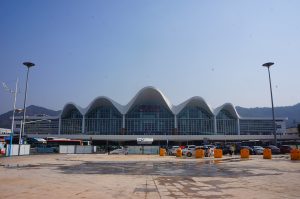
Most travelers reach Liaoyuan by rail. The conventional line from Changchun takes about three hours; the high-speed connection from Siping cuts that in half. If you are coming from Shenyang, budget four to five hours on a standard express. The station sits on the western edge of Longshan District, a ten-minute taxi ride from the central hotels. Ride-hailing apps work reliably, but flagging a green cab on the street is often faster during shift changes. City buses radiate from the square in front of the station — routes 1, 6, and 12 cover the main sights. Fares are one yuan cash, two if you use a transport card. For the forest park and the agricultural gardens on the outskirts, hire a driver for the day; the roads climb into the hills where bus service thins to a single morning run.
Where the Past Stands Upright
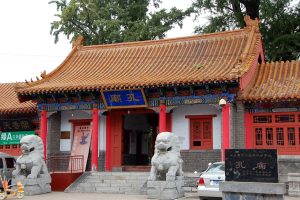
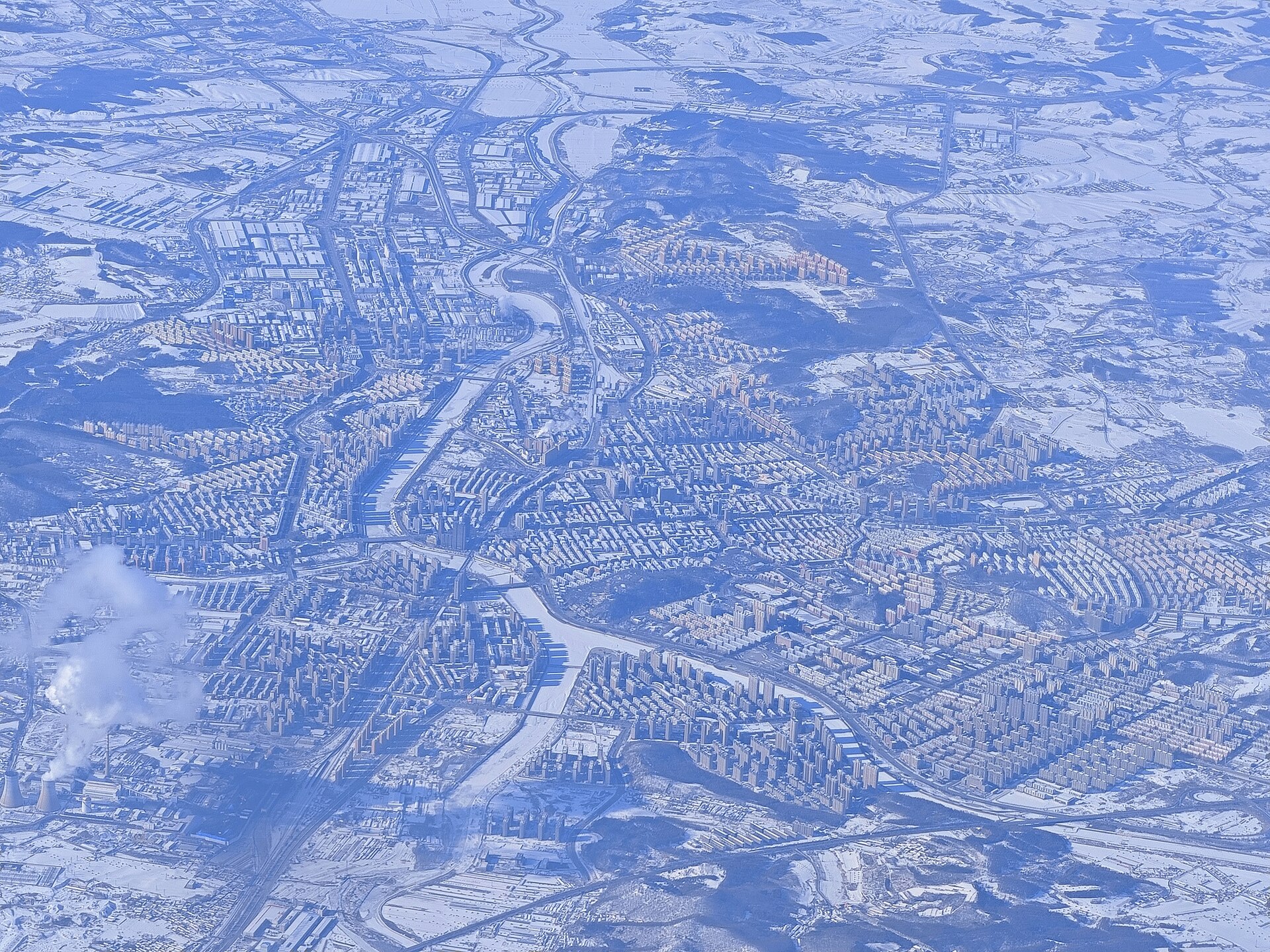
Kuixing Tower dominates the old commercial spine of Longshan. The current structure is a reconstruction, but the stone base dates to the Qing dynasty, when scholars climbed the stairs to worship the star of literature before the imperial exams. Inside, the stairs are steep and narrow — watch your head on the crossbeams. From the top floor you can trace the Dongliao River as it bends toward the city center, a silver thread stitching together the industrial districts and the newer residential blocks. Half a kilometer north, the Miners’ Memorial Cemetery lies on a gentle slope shaded by mature pines. Rows of identical black stones carry names, dates, and the stark characters “殉难” — martyred. The Japanese-operated collieries here were among the deadliest in Manchuria. Bring chrysanthemums if you go; the caretaker keeps a plastic bucket of water by the gate for visitors to rinse their hands after laying flowers.
Green Spaces That Breathe
Jiangcheng Forest Plant Garden sits twenty minutes north by car. It is less a manicured park than a living archive of northeastern flora. Trails wind through stands of Korean pine, Manchurian ash, and the occasional wild ginseng patch marked with red ribbon. In late spring the forest floor erupts with purple corydalis and yellow adonis. Wear boots with grip — the boardwalks get slick after rain. Fuyuan Agriculture Development Garden, on the southern fringe, showcases cold-climate greenhouse tech. You can walk rows of hydroponic strawberries in January, the berries fat and red under sodium lamps. The thumb-shaped topiary maze at Thumb Garden is a local oddity: a hedge labyrinth designed to look like a giant hand giving a thumbs-up from the air. Children sprint through it; adults usually give up after the third dead end and climb the viewing platform for a photo.
River Time
The Dongliao River is the city’s spine. Locals treat the riverside promenade as an outdoor living room. At dawn, retirees practice tai chi on the plaza near the Flood Control Monument, their movements synchronized to a crackling radio playing erhu melodies. By mid-morning, grandmothers set up portable stools and peel garlic for the day’s dumpling filling. The best walk starts at the railway bridge and follows the paved path downstream for three kilometers. You pass a decommissioned coal loader painted bright orange — now a climbing frame for toddlers — then a stretch of reed beds where bitterns hunt in the shallows. Benches appear every few hundred meters. Sit long enough and someone will offer you a sunflower seed from a paper sack. Take it. Crack the shell with your front teeth, spit the hull into your palm, and you have passed the unspoken initiation.
Eating Like a Miner’s Grandchild
Liaoyuan cuisine is heavy, salty, and built for calories. The signature dish is stewed pork with vermicelli and pickled cabbage — suan cai dun fen. The cabbage must be the house-fermented kind, pale yellow and crisp, not the limp supermarket version. Pork belly goes in first, skin side down, until the fat renders translucent. Then water, star anise, a slab of rock sugar, and the cabbage. Simmer until the meat falls apart. Last, the sweet-potato noodles soak up the broth. Serve in a deep porcelain bowl with a side of raw garlic cloves and a dish of chili oil.
- Pork belly, skin on — 500 grams
- House-fermented pickled cabbage — 300 grams, rinsed once
- Sweet-potato vermicelli — 150 grams, soaked soft
- Star anise — 2 whole pods
- Rock sugar — 20 grams
- Ginger — three coins, smashed
- Garlic — whole cloves for the table
- Chili oil — for finishing
In a restaurant, order “铁锅炖” (tie guo dun) — iron-pot stew. The server brings a cast-iron cauldron on a portable burner, sets it on your table, and lifts the lid with a theatrical flourish. Steam carries the scent of soy, smoke, and cured meat. Do not stir immediately. Let the crust form on the bottom; that layer, called “guo ba,” is the prize. Beginners make three mistakes: they ask for less salt (the dish arrives properly seasoned), they drink the broth before eating the solids (the noodles will swell and choke you), and they refuse the second bowl of rice. The cook watches. Accept the rice.
Sleeping and Leaving
Shenghua Hotel on Xining Main Road is the default choice for business travelers — clean rooms, reliable hot water, and a breakfast spread that includes hot soy milk, fried dough sticks, and a surprising selection of Korean-style kimchi. Liaoyuan Hotel on North Longshan Road is older, quieter, and the front desk clerk remembers your name after one night. If you prefer a courtyard vibe, Liaoyuan Hejing Lushe near the station market offers heated kang beds in converted warehouse rooms; the shared courtyard has a persimmon tree that drops fruit in autumn. Jinye Hotel and Golden Gulf Hotel sit farther out on Renmin Street and Dashi Road respectively — newer builds, larger lobbies, but farther from the river walk.
When it is time to go, the morning train to Changchun leaves at 6:40 and 9:15. Buy a ticket the night before at the station window; the machines sometimes reject foreign passports. Pack a vacuum-sealed pack of Liaoyuan smoked sausage in your carry-on — the scent will make the whole carriage hungry, and you will have a story to tell at the next table. The city fades behind you: cooling towers, pine ridges, the river flashing between the trees. You did not conquer Liaoyuan. You just walked its streets, ate its stew, and let it mark you.