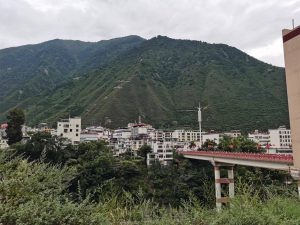
The minibus shudders to a halt on a hairpin bend above the Qingshui River, and the driver gestures toward a footpath disappearing into bamboo groves. Steam rises from a roadside pot of sour fish soup, and somewhere in the mist a bronze drum booms. This is Majiang, a county in the Qiandongnan Miao and Dong Autonomous Prefecture of southeastern Guizhou, where the mountains fold into each other and the roads rarely run straight for long.
Getting there and moving around
Most travelers arrive by high‑speed rail at Kaili South Station, about forty minutes north by car. From the station forecourt, shared minivans leave for Majiang town whenever they fill up; the ride costs roughly thirty yuan and takes you through tunnels that cut the old mountain passes in half. If you prefer the bus, coaches run from Kaili’s main long‑distance station every hour or so, dropping you at the county bus terminal on Jiefang Road.
Inside the county, the town center is walkable. For the scenic spots, you have two realistic options: hire a driver for the day — usually two hundred to three hundred yuan including waiting time — or flag down the local “face‑to‑face” minibuses that cluster near the terminal. Those minibuses run on no fixed schedule; they leave when the seats are full. Bring small change, learn the name of your destination in Chinese characters, and accept that the driver may detour to pick up a sack of rice or a basket of chickens.
Laoshanhe Canyon: walking the river’s spine
Laoshanhe Canyon Scenic Area sits twenty kilometers west of town. The main trail follows a wooden plank road bolted to the cliff face above a jade‑green river. In early summer, monsoon clouds cling to the limestone walls and waterfalls ribbon down into pools where fish dart. The full loop takes three hours at a relaxed pace. Wear shoes with grip — moss makes the boards slick — and carry a light rain jacket even on clear mornings. The ticket booth sells a combined entry and shuttle pass; the shuttle saves you the steep climb from the parking lot to the trailhead.
If you want quiet, arrive at opening time. By mid‑morning tour groups from Kaili fill the viewing platforms, and the echo of selfie sticks competes with the river’s roar. A side path near the third pavilion leads to a natural rock pool deep enough for a cold dip; locals sometimes picnic there on weekends. Pack out whatever you bring in — there are no bins along the cliff walk.
Shuiluotan Waterfall: the hidden curtain
Shuiluotan Waterfall hides at the end of a narrow valley north of Xianchang Town. The approach road ends at a farmer’s courtyard where an elderly woman collects a ten‑yuan “path maintenance” fee — cash only. From there, a dirt track climbs through tea bushes for twenty minutes until the sound of water drowns the birds. The fall drops thirty meters into a crescent pool, fanning into a fine mist that rainbows in afternoon light.
Unlike the canyon, Shuiluotan has no railings. The rocks at the pool’s edge are polished smooth by generations of bare feet. If you wade in, test each step; the current near the plunge pool can knock an adult off balance. Villagers sometimes dry chilies on flat stones nearby — ask before you photograph their spread, and a smile plus a few words of Miao greeting usually earns a nod.
Tonghe Zhuangyuanfu and Gaojian Village: scholar roots and stilt houses
In Gaojian Village, the Tonghe Zhuangyuanfu compound preserves the home of Xia Tonghe, a Qing‑dynasty scholar who placed first in the imperial examination. The complex sits on a terraced slope, its gray‑tiled roofs and carved wooden lintels framed by ancient camphor trees. Inside, the main hall displays a replica of his gold‑embossed degree certificate; side rooms hold ink stones, brush racks, and a bed framed with auspicious bats.
The village itself is a living Miao settlement. Wooden stilt houses (diaojiaolou) line a stone‑flagged lane that follows a stream. Women sit on doorsteps embroidering baby carriers with indigo thread; men tend fish ponds behind the houses. Visitors are welcome to wander the lane, but bedrooms and ancestral altars are private. If an elder invites you for tea, accept — it will be strong, bitter, and served in a tiny porcelain bowl. Refusing is considered impolite.
Baiyang Village: market day rhythm
Baiyang comes alive on the lunar calendar’s third, sixth, and ninth days — the traditional market cycle. By dawn, the square fills with tarps: silver ornaments, bolts of hand‑woven cloth, baskets of wild mushrooms, and cages of live chickens. Miao women in pleated skirts and silver headdresses bargain in rapid dialect; Dong men test bamboo flutes before buying. The air smells of woodsmoke, fermented bean curd, and fresh coriander.
This is not a performance. If you point a camera at a vendor’s face without asking, she will turn away. Instead, crouch beside a stall, pick up a length of fabric, and ask the price in Mandarin or simple numbers. A purchase — even a five‑yuan packet of dried chili — opens conversation. By noon the crowd thins as families carry sacks home up the mountain paths. Stay for a bowl of rice noodles in sour broth from a street cauldron; the vendor will ladle chili oil until you wave her off.
Eating, sleeping, and practical slips
Majiang town has a cluster of guesthouses near the bus terminal — clean rooms with hot water, Wi‑Fi, and a shared kitchen. Book by calling the owner directly; online platforms often list places that have closed. In the villages, homestays are arranged through the village head (cunzhang). Expect a firm mattress, a squat toilet, and breakfast of corn porridge and pickled vegetables. Bring your own towel and toilet paper.
- Signature dishes to order: sour fish soup (suantang yu) with wild tomatoes; sticky rice steamed in bamboo tubes; blood tofu stir‑fried with garlic chives; Miao-style smoked pork belly sliced paper‑thin.
- Drink: homemade rice wine (mijiu) served warm in ceramic bowls; strong green tea poured from a long‑spouted pot.
- Common beginner mistakes: assuming credit cards work outside the county seat; wearing sandals on canyon plank roads; skipping the rain jacket because the morning sky is blue; photographing altars or bedrooms in village homes; expecting English menus — point at a neighbor’s bowl instead.
Signal drops in the deeper valleys. Download offline maps before you leave Kaili, and screenshot the Chinese names of your destinations. Power banks are essential — guesthouse outlets may be shared by a whole dormitory. Finally, carry a small pack of tissues and a zip‑lock bag for trash; the mountains have no collection service, and the next visitor deserves the same clear water and quiet you found.