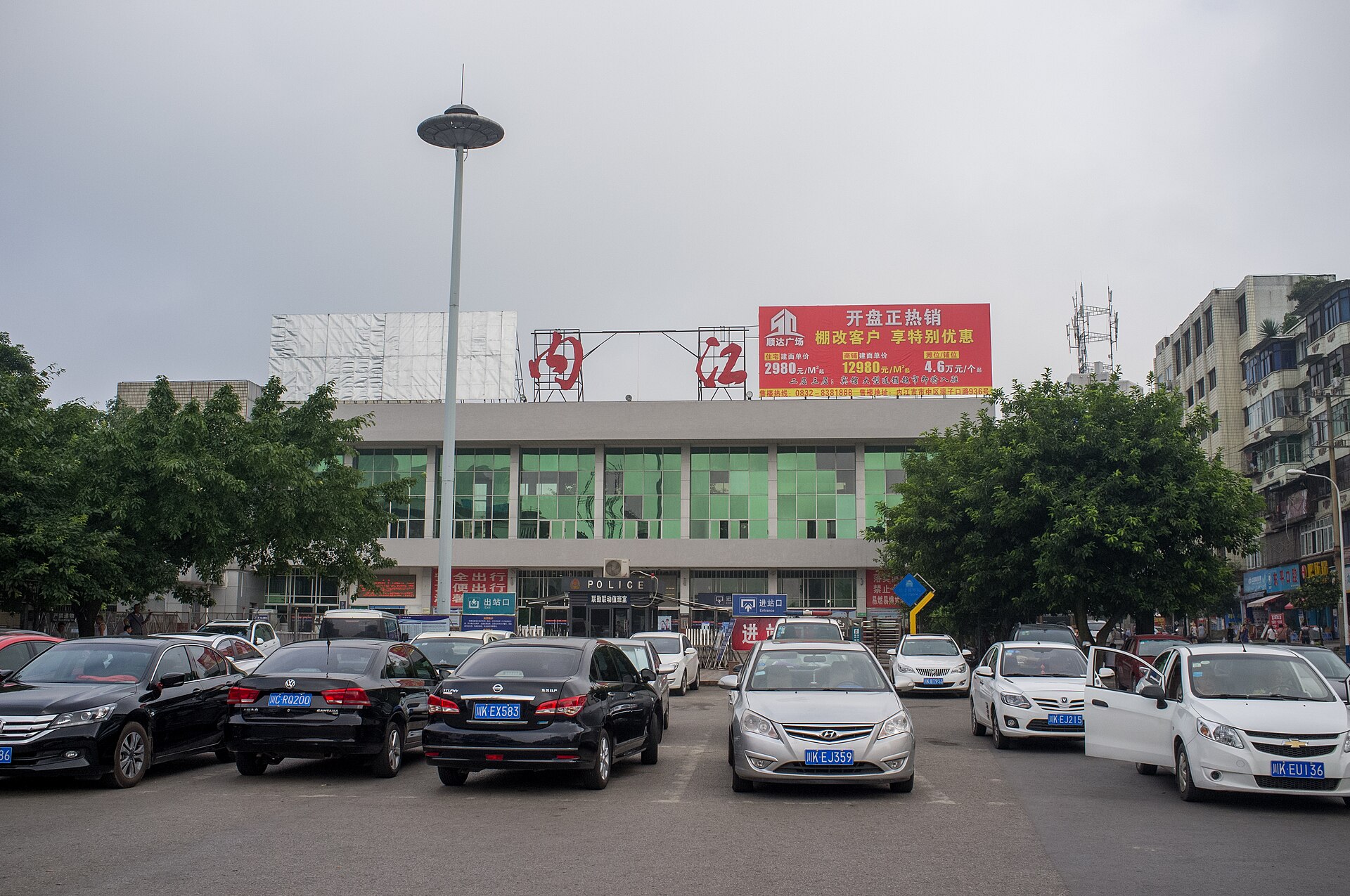
The high‑speed train hisses to a stop at Neijiang North and the platform fills with the smell of steamed buns and diesel. A vendor shouts the price of roasted sweet potatoes, their skins blackened and sugar oozing. Across the tracks, a row of bamboo chairs waits under a faded awning where old men play xiangqi, slapping pieces onto the board between sips of jasmine tea. This is the first minute in the “Sweet City,” and already the pace feels measured, unhurried, like a kettle left to simmer.
Getting There and Moving Around
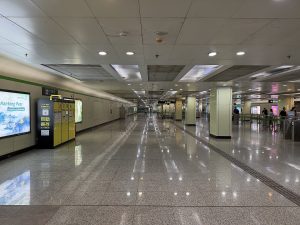
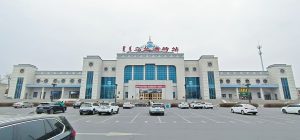
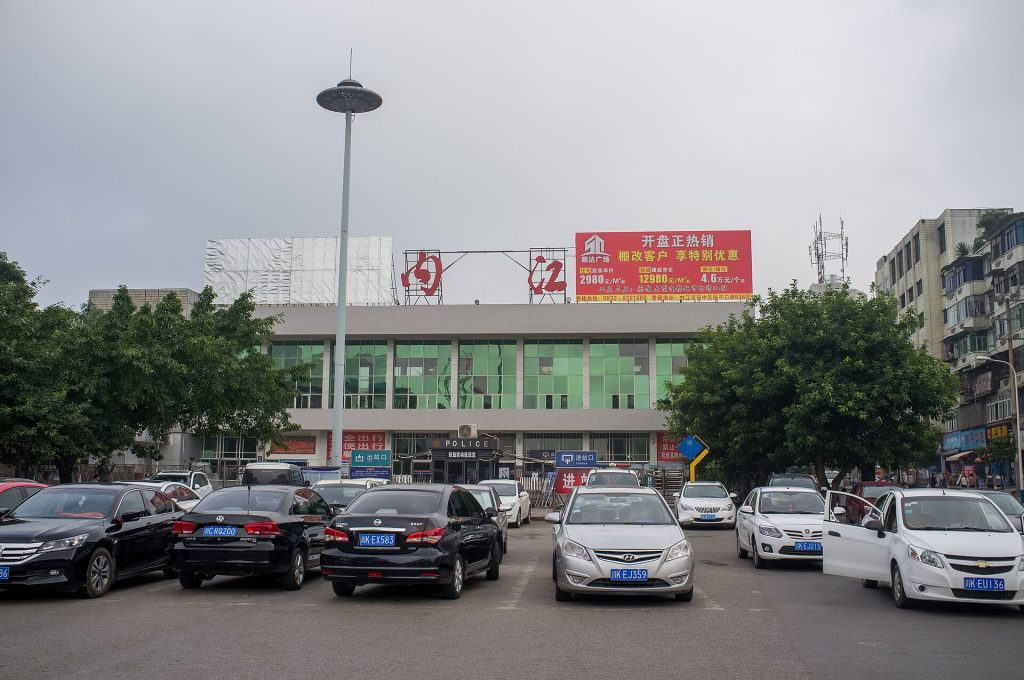
Neijiang sits on the main Chengdu–Chongqing high‑speed line. Trains from Chengdu East take just over an hour; from Chongqing West, about the same. The station sits north of the urban core, a twenty‑minute taxi ride to the old streets near the Tuo River. Local buses numbered 1, 6, and 11 connect the station to the central People’s Park area. Ride‑hailing apps work reliably, but drivers often prefer cash for short hops. If you plan day trips to Longchang or Weiyuan, renting a car for a day is simpler than stitching together county buses.
Old Streets and the Tuo River Night Market
Start at Dongxing Old Street, a lane of gray‑brick shophouses where the air carries fried dough and fermented bean curd. Stalls sell hand‑pulled noodles topped with chili oil, crushed peanuts, and a spoonful of pickled mustard greens. Follow the lane west until it opens onto the Tuo River promenade. At dusk, the riverbank lights up with portable grills: skewers of beef, lotus root slices, and quail eggs brushed with cumin and Sichuan pepper. Grab a plastic stool, order a bottle of cold Snow Beer, and watch cargo barges push upstream against the current.
Longchang Ancient Archways
Thirty kilometers east, Longchang County holds a cluster of stone archways built during the Ming and Qing dynasties. Seventeen remain standing, each carved with dragons, phoenixes, and Confucian maxims. The largest, the “Filial Piety Arch,” rises twelve meters and bears an inscription honoring a son who carried his mother up a mountain for medicine. Walk the quiet lane behind the arches where persimmon trees drop orange fruit onto mossy steps. A caretaker unlocks the small exhibition hall at nine in the morning; entry is free, but a ten‑yuan donation keeps the lanterns lit.
Xilin Temple and Chonglong Mountain Cliff Carvings
Xilin Temple clings to a hillside west of the city. The main hall dates to the Tang dynasty, though most timber was replaced in the 1980s. Incense curls around a gilt Sakyamuni flanked by eighteen arhats, each face distinct — one grinning, one weeping, one asleep. A stone path climbs past the temple to Chonglong Mountain, where cliff carvings stretch across three sandstone faces. Buddhas sit in meditation niches; bodhisattvas hold lotus stems; donors in Tang robes kneel in perpetual offering. The best light hits the western panel in late afternoon, turning the red sandstone the color of fermented bean paste.
Weiyuan Dome Landform and Zhang Daqian’s Hometown
South of the city, Weiyuan County reveals a karst dome landscape — rounded hills pocked with caves and sinkholes. A boardwalk loops through the largest sinkhole, descending to a subterranean stream that vanishes into darkness. Bring a headlamp if you want to peer beyond the railing. Nearby, the Zhang Daqian Memorial Hall occupies the painter’s former courtyard house. Ink landscapes hang beside seals and brushes; a video loop shows the master splashing color onto paper with a broom‑sized brush. The garden pond still grows the lotus he painted in his later years.
Eating in Neijiang: Sweet, Spicy, and Slow
The city’s nickname comes from sugar cane, but the table leans heavily on chili and Sichuan pepper. Breakfast means a bowl of rice porridge stirred with preserved vegetables and a side of deep‑fried dough twists. Lunch often centers on a clay‑pot stew: beef tendon, daikon, and tofu skin simmered until the broth gels. Dinner is communal — hotpot with a split pot, one side clear chicken broth, the other a red oil inferno. Dip slices of tripe, lotus root, and handmade wheat noodles. Finish with a bowl of sweet fermented rice soup, warm and slightly alcoholic.
- Must‑try street snack: sugar‑glazed sweet potato chips, sold by weight in paper cones.
- Restaurant dish to order: “Sweet City Beef” — braised shank in rock sugar, star anise, and dried chili until the meat falls apart.
- Home‑style method: marinate thin beef slices in soy sauce, cornstarch, and a pinch of baking soda for ten minutes; flash‑fry in smoking oil; toss with garlic chives and pickled chili.
- Ordering tip: ask for “wei kou” (mild spice) if you want flavor without the numb‑heat assault.
- Common mistake: ordering a single portion of hotpot for one — broth evaporates fast and the pot burns.
Seasonal Rhythms and Festival Moments
Spring brings the Sugar Cane Festival in the third lunar month. Farmers parade carts stacked with cane stalks, and the air turns syrupy as mobile presses squeeze juice into tin cups. Summer nights see dragon‑boat races on the Tuo River; the banks fill with families eating watermelon and spitting seeds into the water. Autumn’s Mid‑Autumn Festival lights the Longchang archways with red lanterns, and mooncakes stuffed with rose petal paste appear in every bakery. Winter is quiet — hotpot steam fogs the windows of every restaurant, and the city seems to hibernate under a low gray sky.
What Newcomers Get Wrong
First, they rush. Neijiang rewards lingering — tea refilled three times, a game of xiangqi watched to the end, a conversation with the noodle vendor about his grandson’s exam scores. Second, they skip the counties. The archways, the cliff carvings, the karst domes — all sit outside the urban ring road and require a half‑day each. Third, they assume “Sweet City” means desserts everywhere. Sugar cane juice is seasonal; the daily diet is savory, salty, and fiercely spiced. Fourth, they forget cash. Small stalls, temple donation boxes, and county‑bus drivers often lack QR codes. Carry a handful of small bills.
Practical Details
Mandarin works everywhere; the local dialect is a southwestern variant but mutually intelligible. English signage appears at the high‑speed station and major temples, rarely elsewhere. Download an offline map — cellular data drops in the karst valleys. Toilets in scenic areas are squat‑style; carry tissue. The tourist information kiosk at People’s Park hands out free bilingual pamphlets with bus timetables. If you stay overnight, the riverside guesthouses near Dongxing Old Street offer courtyard rooms with tiled roofs and shared kitchens where you can simmer your own broth.