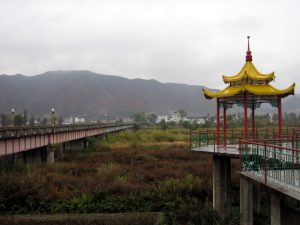
The minibus shuddered to a halt on a gravel shoulder halfway up Wuhou Temple’s rear hill. Steam rose from the engine. The driver lit a cigarette, gesturing at a stone staircase disappearing into cedar forest. “Walk twenty minutes,” he said. “Zhuge Liang’s thatched cottage replica. No tickets up there.” I shouldered my pack and started climbing, the city’s diesel hum fading behind me, replaced by cicadas and the occasional clatter of a farmer’s three-wheeler on the switchbacks below. That unplanned stop taught me more about Nanyang’s rhythm than any itinerary: the past sits close to the surface here, often unmarked, waiting in the shade of old trees.
Orienting Yourself in the Basin
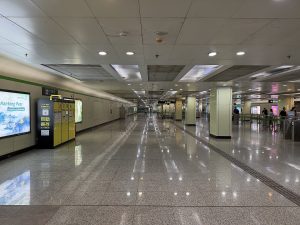
Nanyang sprawls in a horseshoe of mountains open to the south, the Han River curling along its waist. The urban core — Wolong and Wancheng districts — feels manageable compared to Zhengzhou or Xi’an. Most visitors base themselves near the railway station or the newer high-speed rail hub, both a short ride from the main sites. Taxis start around eight yuan; ride-hailing apps work reliably. City buses reach the major temples and museums, but county-level attractions — Neixiang’s magistrate office, Xixia’s dinosaur park — demand a hired car or a long-distance bus from the south station. Allow extra time in the rainy season; mountain roads fog up fast.
Where the Past Breathes: Temples, Tombs, and a Magistrate’s Hall
Start at the Wuhou Temple complex in Wolong District. The main halls honor Zhuge Liang, the Three Kingdoms strategist who farmed these slopes before joining Liu Bei. Incense curls thick around the bronze statue in the central courtyard. Behind the exhibition halls, a quiet path leads to the “Ten Thousand Bamboo Garden” — actually a mix of pine and bamboo — where stone stelae record poems by Ming and Qing scholars. Weekday mornings are best; tour groups arrive by ten.
Fifteen minutes by car northeast sits the Han Dynasty Stone Relief Museum. No grand architecture, just low buildings sheltering hundreds of carved bricks unearthed from local tombs. Scenes of acrobats, kitchen workers, and mythic beasts feel startlingly alive. The captions are mostly Chinese; bring a translation app or hire the elderly volunteer guide who often waits near the entrance. He’ll point out the “Kitchen Scene” brick where a cook flips dough strips — early evidence of the region’s noodle obsession.
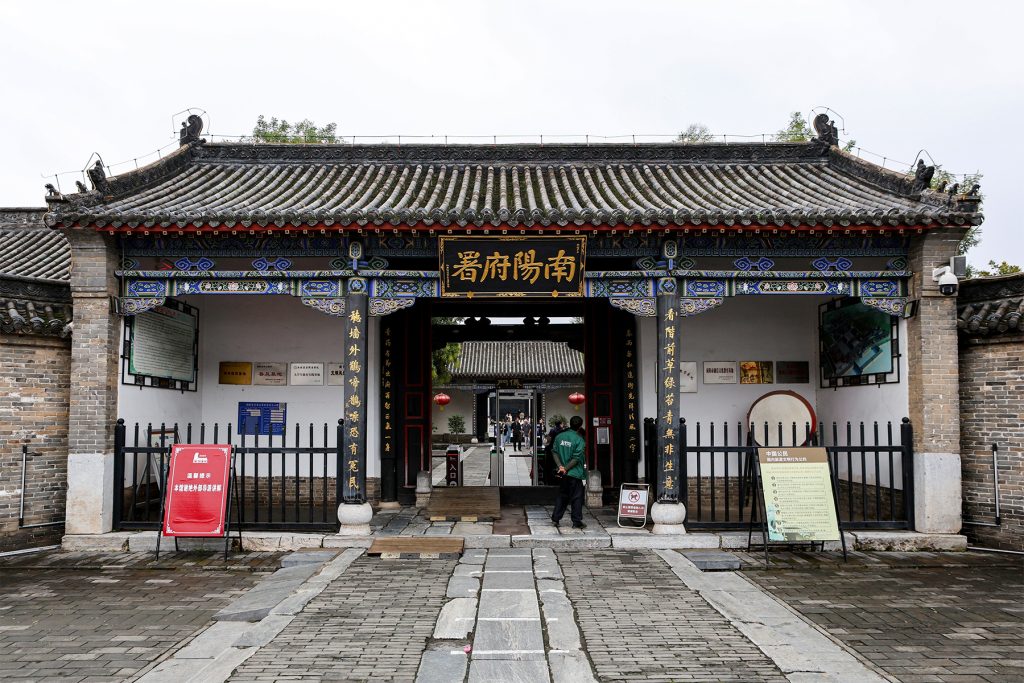
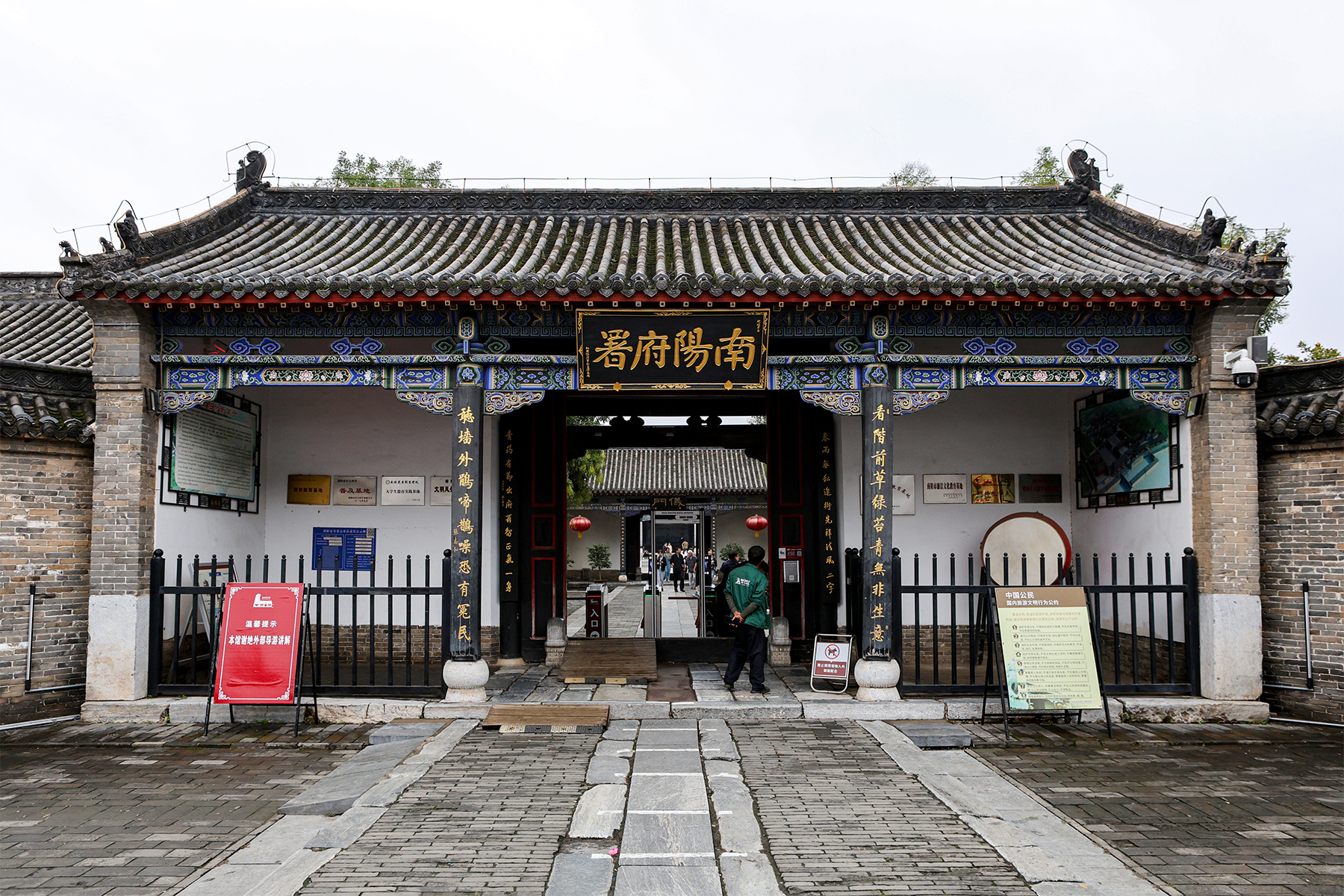
For a different flavor of history, head south to Neixiang County. The County Magistrate’s Office (Neixiang Xian Ya) is the best-preserved Qing government compound in China. You walk through the gatehouse, past the ceremonial drum tower, into the judgment hall where the magistrate heard cases. Side rooms display torture instruments and tax ledgers. A hidden corridor behind the judge’s bench let clerks pass evidence unseen. Spend an hour here. The courtyard’s ginkgo trees turn gold in late autumn, framing the grey tiles perfectly.
Mountains, Caves, and a Crater Lake
Funiu Mountain’s southern ridges offer the easiest nature access. Baotianman National Nature Reserve, straddling the Henan-Hubei border, protects primeval forest and golden snub-nosed monkeys. The main scenic area has boardwalks and a cable car; serious hikers hire a ranger at the south gate for the unmarked trails to the 1,800-meter peaks. Book the ranger a day ahead through the reserve’s WeChat account.
Closer to the city, Tongbai Mountain’s Huayang Scenic Area blends Taoist temples with waterfalls. The “Nine Dragon Pool” trail follows a stream through narrow gorges — slippery after rain, so wear gripped shoes. At the summit, the 1,200-year-old Huayang Academy still hosts calligraphy gatherings in the spring. I once shared tea there with a retired professor who recited Du Fu poems while mist swallowed the valley.
For something stranger, drive two hours west to Xixia County’s Dinosaur Egg Fossil Group. The museum sits atop a fossil bed where thousands of eggs were excavated. The real draw is the outdoor park: life-sized dinosaurs loom among real rock formations, and you can touch exposed egg clusters under protective glass. Kids love it; geologists love it more. Pair it with a visit to the nearby Danjiangkou Reservoir, the central route’s source for the South-North Water Transfer Project. The dam viewpoint is free, windy, and vast.
Eating Like a Local: Noodles, Stews, and Night Markets
Nanyang cuisine leans salty, spicy, and wheat-heavy. The signature dish is *hulatang* — peppery beef soup thickened with starch, served with a side of steamed buns for dipping. Breakfast stalls ladle it from enormous iron cauldrons starting at six in the morning. Order “da wan” (big bowl) if you’re hungry; “xiao wan” is a snack portion. Chili oil, vinegar, and minced garlic sit on every table for adjusting.
- Beef hulatang: simmer beef shank with bone for three hours; add gluten, vermicelli, daylily buds, wood ear; thicken with wheat starch slurry; finish with white pepper, Sichuan pepper, and chili oil.
- Steamed cold noodles (liangpi): wheat starch batter steamed thin, cut into ribbons, tossed with cucumber, bean sprouts, gluten cubes, garlic-vinegar-soy dressing, chili oil, and sesame paste.
- Braised chicken with mushrooms (mo gu dun ji): free-range hen, dried shiitake, ginger, scallion, soy, Shaoxing wine, slow-stewed in a sand pot until meat falls off bone.
- Fermented vegetable noodles (suan cai mian): hand-pulled noodles in broth with house-fermented mustard greens, minced pork, and a spoonful of lard.
At restaurants, point to the picture menu or say “yi wan niu rou hu la tang, yi pan liang pi.” Most places don’t take cards; keep small bills. The night market behind the old railway station (near Renmin Road) wakes at dusk. Skewers of lamb, quail eggs, and tofu skin grill over charcoal. Stinky tofu here is mild — fermented three days, not three weeks. Try the “iron plate squid” chopped with onions and sweet bean sauce. Wash it down with a bottle of locally brewed “Baihe” beer, crisp and slightly sweet.
Seasonal Rhythms and Festival Moments
Spring brings the Temple Fair at Wuhou Temple around the third lunar month. Villagers from surrounding counties set up stalls selling paper-cuts, herbal plasters, and clay whistles. Opera troupes perform on a temporary stage; the air smells of roasted chestnuts and incense. Summer is hot and wet — temperatures climb past 35°C, and thunderstorms roll off the mountains daily. If you visit then, schedule outdoor sites for early morning and retreat to museums or tea houses by noon.
Autumn is the sweet spot. The ginkgo leaves at Neixiang peak around the ninth lunar month. The chrysanthemum exhibition at the Han Painting Museum draws locals who sip thermos tea while judging blooms. Winter is quiet, dry, and cold enough for a down jacket. The Lantern Festival (fifteenth day of the first lunar month) lights up the Han River promenade with floating lotus lanterns and ice sculptures near the bridge. Few foreigners attend; you’ll be welcomed into family circles sharing tangyuan.
Practical Traps and Local Etiquette
Don’t assume English signage exists beyond the high-speed rail station. Download offline maps and save Chinese names for your destinations: 卧龙寺, 内乡县衙, 宝天曼, 恐龙蛋化石群. Taxi drivers may not recognize “Wuhou Temple” spoken with a foreign accent; show the characters.
Cash is still king in county towns and market stalls. ATMs in the city center accept UnionPay and foreign cards, but rural machines often don’t. Carry 500–1,000 yuan in small denominations for a day trip outside the districts.
When entering temples, step over the threshold — never on it. Photography inside main halls is sometimes prohibited; look for the red “禁止拍照” sign or ask the attendant. At the magistrate’s office, don’t sit on the judgment bench; it’s considered disrespectful. And if a local invites you to share a meal, leave a little food in your bowl — cleaning it completely signals you’re still hungry, prompting more servings you can’t refuse.
Internet censorship means no Google Maps, no Instagram, no WhatsApp without a VPN. Set up a reliable one before arrival. China Mobile and China Unicom sell tourist SIMs at the airport and major train stations; bring your passport. Data is cheap — 30 GB for 100 yuan is common — but registration takes twenty minutes.
Finally, slow down. Nanyang doesn’t perform for tourists. Its charm lies in the old man fanning himself under a locust tree, the noodle vendor who remembers your chili preference on day two, the monk sweeping leaves at a temple nobody recommended. Give it three days minimum. Five if you want to hike. The basin holds its secrets for those who stay long enough to let the dust settle on their shoes.