The minibus shudders to a halt on Baiyun Road, doors folding open onto a street where steamed bun vendors have already set up their bamboo steamers. Morning light catches the dust motes dancing above the platform, and the air smells of coal smoke and fresh scallions. You step down onto cracked tile, shoulder bag bumping your hip, and realize the station building is just a waiting room with plastic chairs and a hot-water dispenser. No ticket gates, no security wands — just a chalkboard schedule and a dispatcher shouting destinations through a megaphone. This is how Shanxian greets you: practical, unvarnished, and already moving.
Getting There Without a Fuss
Most travelers arrive by long-distance bus. The main station sits on Baiyun Road, a low-slung building where tickets are sold from a grilled window and departure times shift with demand. Buses from Heze run every thirty minutes or so, the ride taking about an hour on the expressway. From Jinan, the provincial capital, you’re looking at four hours on a sleeper coach that leaves the east station around dawn. If you’re coming from Henan or Anhui, county-level buses crawl the old national highways, stopping at every township crossroads. Train service reaches nearby Heze East, but the onward connection to Shanxian still means a bus or a hired car. Taxis cluster outside the station; agree on a price before the meter becomes a topic of debate.
Moving Around the County
Inside the urban core, three-wheeled electric rickshaws — locals call them sanlunche — zip between the market, the hospital, and the government compound. A ride across town costs a few yuan; wave one down, hop on the vinyl bench, and hold your bag tight when the driver leans into a turn. Public buses follow numbered loops that radiate from the station, but schedules are posted only in Chinese and the stops are unmarked poles. Renting an e-bike from a shop near the People’s Hospital gives you the most freedom: twenty yuan a day, helmet included, and the battery lasts until late afternoon if you stick to flat roads. For villages beyond the ring road, hitch a ride on a farm truck heading to the wholesale vegetable market — drivers usually accept a passenger for the price of a cigarette.
Where the Past Shows Up
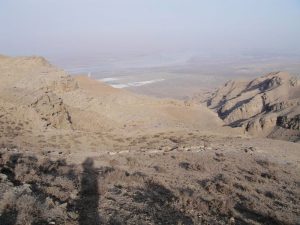
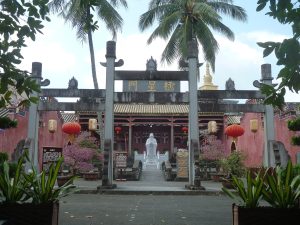
Guyi Mountain rises like a turtle shell behind the northern suburbs, its slopes stitched with pine and cypress. Thirteen Yin–Shang archaeological sites scatter the foothills; the most accessible is a fenced excavation pit where gray pottery shards still protrude from the trench wall. A small museum at the base displays bronze jue cups and oracle-bone fragments under fluorescent lights — no English labels, but the diagrams make the chronology clear. Halfway up the mountain, a stone pavilion marks the spot where Laozi is said to have written the Tao Te Ching. Pilgrims tie red ribbons to the pine branches and leave oranges on the altar. The climb takes forty minutes on stone steps worn smooth by centuries of sandals; bring water, because the only vendor sells warm soda from a foam cooler.
Revolutionary Memory in the Lake West
West of the city, the old Lake West Special Area headquarters sits in a compound of gray-brick courtyards. During the resistance war and the civil war, this was the nerve center for party, government, and military organs coordinating across the borderlands of Shandong, Henan, and Anhui. The buildings have been restored: a meeting hall with a long wooden table, a radio room where a hand-crank transmitter still clicks, and dormitories where cadres slept on straw mats. A guide — usually a retired schoolteacher — walks you through the timeline, pointing out the map where supply routes were drawn in charcoal. Photography is allowed, but flash is discouraged near the paper archives. The site is quiet on weekdays; on weekends, school groups fill the courtyard with red scarves and rehearsed slogans.
Eating Where the Locals Eat
Breakfast means a bowl of hulatang — peppery mutton soup thickened with wheat gluten, glass noodles, and a slick of chili oil. The best stall sets up at the intersection of Jiefang Road and Culture Street before dawn; the broth has been simmering since midnight. Dip a fried dough stick, let the crust soak, then slurp. For lunch, follow the lunch-rush crowd into a back-alley noodle shop where hand-pulled strands land in beef broth topped with cilantro and pickled mustard greens. Dinner is a communal affair: order a iron-pot stew of carp, tofu, and cabbage, served bubbling on a portable burner. Share it with baijiu in tiny ceramic cups, and expect the host to refill your glass before it’s empty.
- Mutton hulatang: mutton bones, wheat gluten, glass noodles, chili oil, black pepper, scallions.
- Hand-pulled beef noodles: high-gluten flour, beef shank, star anise, cassia bark, cilantro, pickled mustard greens.
- Iron-pot carp stew: fresh carp, firm tofu, napa cabbage, ginger, garlic, soy sauce, rice wine.
Home method for hulatang: Simmer mutton bones six hours. Strain. Add gluten cubes, noodles, pepper, chili oil. Boil three minutes. Ladle over torn flatbread.
Restaurant ordering tip: Point to the pot on the stove, not the menu. Say “yi wan” for one bowl, “bu yao la” if you want less heat.
Beginner mistake: Drinking the soup straight from the bowl before the gluten softens — you’ll burn your tongue and miss the texture.
Sleeping Without Surprises
Chain hotels cluster near the bus station — clean rooms, hot showers, Wi-Fi that works most of the time. A standard double runs 150 to 200 yuan. For something quieter, walk two blocks west to the family-run guesthouses tucked behind the vegetable market. The owners will hang your laundry on the roof rack and serve breakfast at a plastic table in the courtyard. No English at the front desk, but a translation app and a smile get you a key. If you’re staying near Guyi Mountain, a few farm stays offer kang-heated rooms: sleep on the brick platform, feel the warmth rise from the firebox below. Book by phone the day before; WeChat is the only reservation system that matters.
Seasonal Rhythms and Local Expectations
Spring brings the peach blossom festival in the western villages — families picnic under pink canopies, and the roads clog with three-wheelers hauling folding tables. Summer is hot, humid, and loud with cicadas; the night market on Culture Street stretches three blocks, selling grilled squid, cold skin noodles, and plastic toys. Autumn is the harvest window: trucks piled with peanuts and corn block the county roads, and the air smells of drying grain. Winter drops below freezing; the lake west of town ices over, and old men drill holes for carp while steam rises from their thermoses. Locals expect you to remove shoes indoors, to accept a offered cup with two hands, and to leave a little food on your plate — clearing it signals the host didn’t provide enough.
What Trips Up Newcomers
Assuming the bus station has a luggage locker — it doesn’t. Carry your pack or leave it at your guesthouse. Expecting English signage at the museum — there isn’t any. Trying to pay for a rickshaw ride with a large bill — drivers rarely have change for a hundred. Ignoring the lunch rush — between noon and one, every decent noodle shop is full, and the next seating waits twenty minutes. Forgetting that public toilets are squat-only and rarely stocked with paper; keep a packet of tissues in your daypack. And don’t mistake the quiet of the mountain paths for emptiness — hermits still live in the caves above the Laozi pavilion, and they prefer not to be photographed.