The minivan’s suspension groaned as we climbed the switchbacks toward Sanqing Shan, the driver tapping ash from his cigarette out the window while the radio crackled with a local opera station. Below us, the Xin River caught the late morning light in silver threads. My seatmate, a woman from Nanchang carrying a basket of dried bamboo shoots, laughed when I admitted I had packed only a light windbreaker. “The mountain decides the weather,” she said. “You wear the mountain.” By the time we reached the cable car station at 1,600 meters, mist had swallowed the parking lot whole.
Getting Oriented in the Northeast Corner
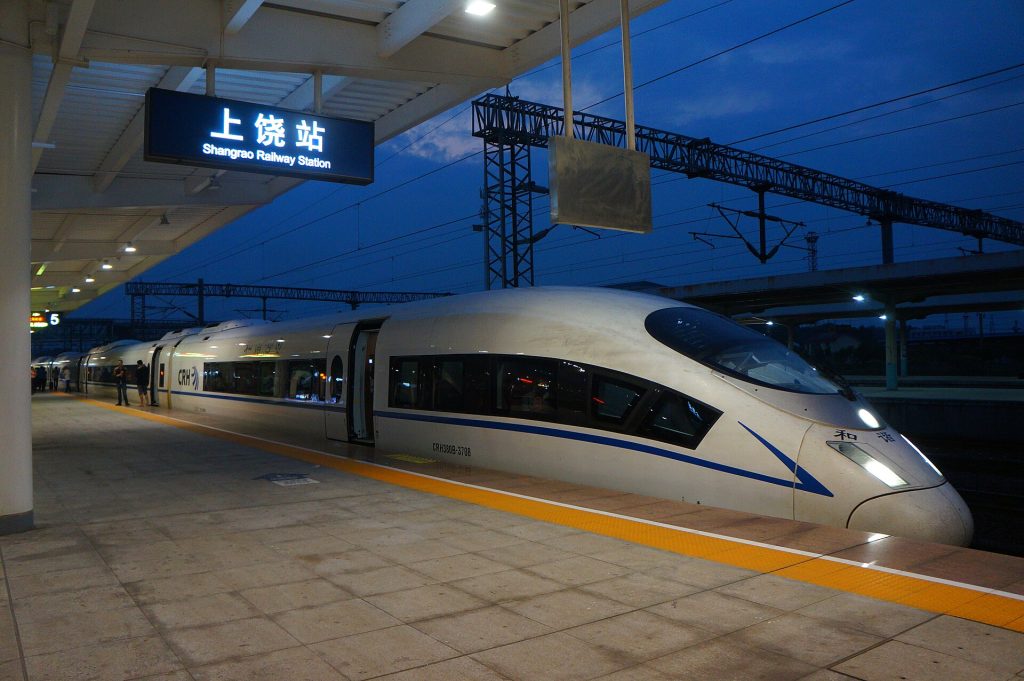
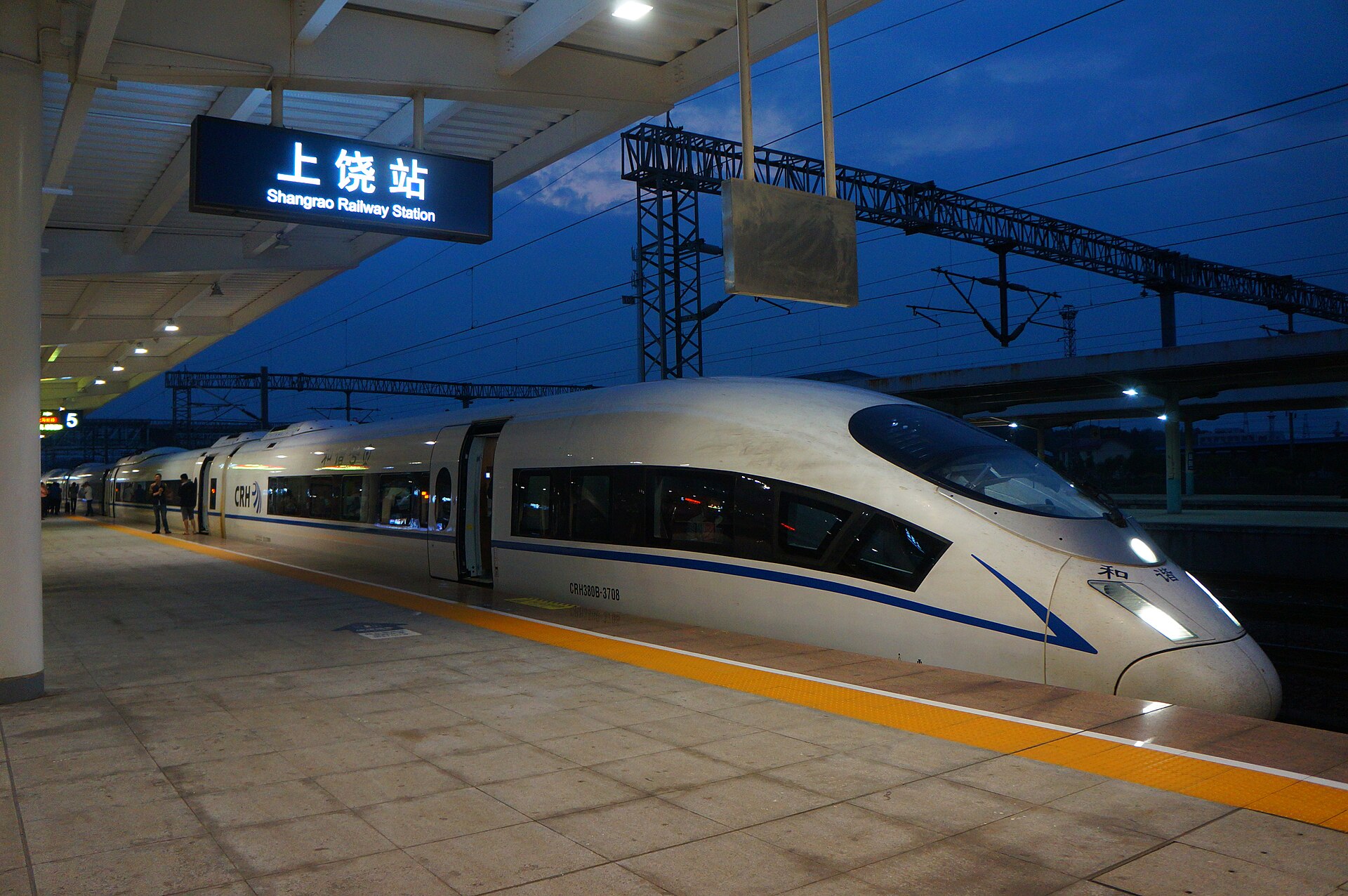
Shangrao sits where Jiangxi, Zhejiang, and Fujian meet, a crossroads that has moved tea, porcelain, and revolutionaries for centuries. The high-speed rail station opened a few winters ago and now spits travelers onto a plaza ringed by hotels advertising “Sanqing Shan Direct Bus” in red LED. Most visitors treat the city as a transfer point, but the old downtown along the Xin River rewards a half day. Narrow lanes behind the former prefectural yamen still smell of fermented bean curd and woodsmoke. Elderly men play xiangqi on stone slabs outside a temple dedicated to the Taoist immortal Xu Xun, their pieces clicking like castanets. If you arrive hungry, follow the steam rising from a stall selling rice noodles in a broth thick with pork bone, pickled mustard greens, and a spoonful of chili oil that glows like amber.
Sanqing Shan: Walking the Cloud Ladder
The mountain does not reveal itself on demand. I have made the ascent three times — twice in spring when azaleas burned pink along the ridges, once in late autumn when ginkgo leaves carpeted the steps gold — and each visit began with a different sky. The cable car hauls you to the West Coast trailhead in ten minutes, but the real walking starts where the concrete ends. Granite spires named “Goddess Peak” and “Python Emerging from the Mountain” pierce a soup of vapor. Monks in gray robes sweep the plank roads with bamboo brooms before the first tour groups arrive.
Allow a full day for the classic loop: West Coast to Sunshine Coast, then down the Jade Capital cable car. The plank road clings to cliffs with sheer drops hidden by cloud. At the “Fairy Maiden” viewing platform, photographers set tripods before dawn waiting for the “Buddha Light” — a halo of colored rings that sometimes appears around a shadow cast on mist. I have seen it once. The woman beside me wept. Pack water, chocolate, and a windproof layer even in summer. The temperature at the summit can sit ten degrees lower than the valley. Toilets exist only at major junctions; they are squat, clean, and stocked with paper if you arrive early.
- Entry ticket: roughly 150 yuan off‑season, 200 yuan peak; cable car 70 yuan one way.
- First car up at 7:00, last down at 17:30; confirm at the gate because fog delays are common.
- Stay overnight at the mountain-top hotel if you want sunrise without the 3:00 a.m. hike from the base.
- Wear broken‑in hiking shoes; the stone steps are uneven and slick when wet.
- Carry cash for the small tea shack near the Giant Snake Peak — the owner brews a high‑mountain green tea that tastes of pine and mineral water.
Wuyuan: Beyond the Canola Posters
Every spring the internet floods with images of yellow canola seas lapping at white‑washed walls and black‑tiled roofs. The flowers are real, and they are spectacular, but Wuyuan is larger than a two‑week bloom. The county spreads across rolling hills dotted with Huizhou‑style villages — Likeng, Xiaoqi, Wangkou — each built around a clan ancestral hall and a fengshui pond. In the off‑season the tour buses vanish. You can walk the flagstone lanes of Jiangwan at noon and hear only your own footsteps and the clack of a loom from a courtyard workshop where a woman still weaves ramie cloth.
Rent a bicycle from a guesthouse in Ziyang town. The roads are gentle, the drivers polite, and the distances between villages run five to ten kilometers. Stop at a family kitchen for lunch: steamed fish with fermented red yeast rice, stir‑fried bamboo shoots with cured pork, a bowl of rice, and a pot of chrysanthemum tea. Pay what the host asks — usually thirty or forty yuan — and thank the grandmother who grew the vegetables. In autumn the persimmons hang like lanterns under the eaves. In winter the villages smoke with curing pork bellies. There is no bad month, only different palettes.
- County‑wide scenic pass covers most villages; buy at the first ticket booth you encounter.
- Bicycle rental: 30 yuan per day for a basic mountain bike, 60 for an e‑bike.
- Guesthouses in Likeng fill fast during the flower season; book a month ahead or stay in Ziyang and ride in.
- Respect ancestral halls: speak low, do not touch spirit tablets, ask before photographing elders.
- Bring a reusable bag for the wild walnuts and dried bamboo shoots vendors sell along the roads.
Poyang Lake Wetlands: The Winter Chorus
North of the city, the lake expands and contracts with the seasons. In the cold months it shrinks to a fraction of its summer size, exposing mudflats that draw hundreds of thousands of migratory birds — Siberian cranes, oriental storks, swan geese. The Nanji Wetland Reserve runs electric shuttle boats from a dock reachable by local bus from Shangrao’s north station. The ride takes forty minutes through channels lined with reeds taller than a man. On a clear December morning the air vibrates with wings and calls. Rangers count nests from a watchtower; they will let you borrow binoculars if you ask politely and promise not to step off the boardwalk.
Summer brings lotus blooms and a different rhythm: fishermen casting nets at dawn, their lanterns reflected in water so still it doubles the sky. You can hire a wooden boat for an hour, eat steamed river crab on board, and watch the sun lift the mist. Mosquitoes are fierce at dusk; wear long sleeves and apply repellent before you board. The reserve visitor center sells a thin map marking bird hides — useful if you plan to stay until the light fails.
- Best birding: late November through March; peak crane numbers usually around the Lunar New Year.
- Shuttle boat: 80 yuan round trip; departs 8:00 and 10:00, returns 15:00 and 16:30.
- No food stalls inside the core zone; pack snacks and water.
- Boots or waterproof shoes essential — boardwalks flood after rain.
- Photographers: a 400mm lens reaches the cranes; a tripod steadies the low‑light shots at the hides.
Food on the Road: What the Locals Order
Shangrao cuisine leans salty, spicy, and fermented — flavors that survive mountain humidity and long winters. In a back‑alley restaurant near the old train station, I watched a chef drop hand‑torn noodles into boiling water, then toss them with minced pork, pickled long beans, dried chili, and a ladle of lard rendered from local black pigs. The dish arrived steaming in a blue‑enamel bowl, the oil pooling red at the edges. You eat it fast, slurping to cool the strands, chasing each bite with a sip of lukewarm tea.
Another staple: steamed pork with rice flour. The meat, fatty and lean layered, is coated in toasted rice powder mixed with five‑spice, chili, and fermented bean curd, then steamed in a bamboo basket until the fat melts into the powder and the aroma climbs the stairwell. Order it with a side of cold tossed lotus root — crisp, vinegary, studded with cilantro. For breakfast, hunt down a stall selling rice dumplings wrapped in bamboo leaves, stuffed with glutinous rice, salted egg yolk, and pork belly. Unwrap the leaf, dip the dumpling in chili sauce, and eat standing at the counter while the vendor waves a fan over the steamer.
- Must‑try dishes: Sanqing tofu (smoked, then braised with bamboo shoots), Wuyuan steamed fish (red yeast rice crust), Poyang lake crab (steamed whole with ginger vinegar).
- Condiment trio on every table: chili oil, aged vinegar, soy sauce — mix your own dipping bowl.
- Vegetarian note: many “vegetable” dishes use lard or dried shrimp; specify “su cai” and ask for vegetable oil.
- Alcohol: local rice wine is sweet, low‑abv, served warm in tiny porcelain cups.
- Payment: most small places take only cash or WeChat/Alipay QR codes; have both ready.
Moving Between the Dots: Transport Reality
High‑speed trains connect Shangrao to Hangzhou (two hours), Nanchang (one hour), and Shanghai (three and a half). The station sits ten kilometers south of the old city; a taxi costs forty yuan and twenty minutes. Buses to Sanqing Shan leave from the tourism distribution center beside the station every forty minutes from 7:00 to 15:00 — buy a ticket at the window, not from touts. Wuyuan has its own high‑speed stop; from there, a county bus network reaches every major village, but the last return bus departs around 17:00. If you miss it, a shared van back to Ziyang costs fifteen yuan per seat.
Renting a car makes sense only if you plan to chase light across multiple villages in one day. The mountain roads are narrow, guardrails rare, and fog rolls in without warning. I once watched a sedan slide sideways into a ditch on the descent from Sanqing Shan; the driver walked away, but the car stayed until a tow truck arrived at midnight. Hire a local driver instead — many guesthouse owners double as guides and know which pull‑outs offer the best sunrise without the crowds. Negotiate a flat day rate, usually 300 to 400 yuan including fuel and tolls.
- Train tickets: book on the 12306 app up to thirty days ahead; bring passport for pickup.
- Sanqing Shan direct bus: 40 yuan, 90 minutes, drops at the cable car lower station.
- Wuyuan county bus: routes 1, 2, 3 cover the main loop; frequency drops after 16:00.
- Shared van: wait at the village entrance; leaves when full, no schedule.
- Driver hire: confirm the vehicle has a tourist transport license; ask for the driver’s phone number.
Seasons, Crowds, and the Calendar You Actually Use
Forget the Gregorian grid. The mountain operates on the lunar rhythm. The canola bloom follows the Rain Water solar term, usually the second lunar month. The azaleas on Sanqing Shan open around Grain Rain, the third lunar month. The cranes arrive after Frost’s Descent, the ninth lunar month. Chinese holidays — Qingming, Labor Day, National Day — turn every trail into a conveyor belt. If you can move your dates by a week either side, you trade shoulder‑to‑shoulder crowds for empty viewpoints and half‑price guesthouses. The winter solstice period is quiet, cold, and startlingly clear; the lake mirrors the sky and the only footprints on the plank road are yours.
Pack a paper map of the scenic areas — phone signals die in the deep valleys. Learn to recognize the characters for “entrance,” “exit,” “toilet,” and “emergency.” Carry a small flashlight; the mountain hotels dim corridor lights at 22:00. And keep that windbreaker handy. The mountain still decides the weather.