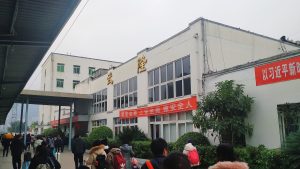
The night train from Beijing hissed to a halt on Platform 3 just as the first vendors were unfolding their carts, steam rising from bamboo baskets of stuffed buns into the cool autumn air. I shouldered my pack onto the tiled concourse of Shangqiu Railway Station, where a flock of shared bicycles leaned against the railing like tired horses. Outside, the broad avenue stretched straight toward the old city wall, its grey bricks glowing amber under sodium lamps. This was not the China of glossy brochures; it was a place where the past sits at the same breakfast table as the present, eating steamed bread dipped in peppery vinegar.
Getting There and Moving Around
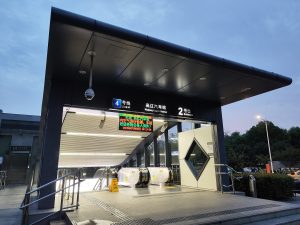
High‑speed rail is the artery. The station sits on the Beijing–Kowloon and Xuzhou–Lanzhou lines, so trains from Zhengzhou, Xuzhou, or Nanjing arrive every hour. A second‑class seat from Zhengzhou takes just over sixty minutes and costs roughly the price of a decent bowl of noodles. If you arrive on a conventional overnight service, the square in front of the station fills with unlicensed drivers shouting destinations. Ignore them. Walk fifty meters to the official taxi queue or open the ride‑hailing app; a ride to the ancient city core costs about thirty yuan and takes ten minutes.
Inside the old city, the streets follow a tidy grid. Public buses numbered 1, 5, and 16 loop the major sites for one yuan, but the real freedom comes from the dockless e‑bikes scanned by QR code. Unlock one, weave through the morning market on West Street, and park it beside the moat when you reach the city wall. Traffic moves at a courteous crawl—delivery tricycles, grandparents on step‑through frames, the occasional honking sedan—so even a novice rider feels safe by the second block.
The Ancient City Wall and the Moat at Dawn
Set an alarm for the hour before sunrise. The restored Ming‑era wall forms a rectangle roughly four kilometers around, and the wide brick rampart is open free of charge. I climbed the stairway at the south gate just as the sky turned the colour of bruised plum. Below, the moat caught the first light, turning it into a sheet of molten copper. An elderly man in a Mao suit practiced tai chi sword forms near the corner tower, his movements silent except for the whisper of cloth. Joggers lapped the perimeter in twos and threes, their breath visible. By the time the tour buses rumble in from Zhengzhou, you will have had the parapet to yourself for an hour.
Walk the full circuit if your knees allow. The north gatehouse houses a modest exhibition of Song‑dynasty porcelain shards and a model of the old prefecture. Information panels are in Chinese only, but the artifacts speak for themselves: a celadon bowl with a cracked glaze, a bronze mirror dulled by centuries. Allow two hours for the complete loop, longer if you pause to sketch the watchtowers against the sky.
Mangdang Mountain and the Han Liang Kings’ Tombs
Thirty kilometers northeast, the limestone hump of Mangdang Mountain rises from the plain. This is where the first Han emperor, Liu Bang, supposedly slew a white snake—an omen that launched a dynasty. Today the scenic area blends pine‑clad trails with underground chambers. Bus 201 runs from the city’s east bus station to the mountain gate in forty minutes; the last return leaves at five in the afternoon.
The star attraction is the tomb of the King of Liang, carved into the living rock. You descend a sloping corridor into a central hall where stone pillars still bear traces of red pigment. Side chambers once held jade burial suits, gold-threaded silk, and lacquerware—most now in museums in Beijing and Zhengzhou—but the architecture remains: corbelled ceilings, drainage channels chiseled by hand, a stone door that once swung on a pivot. Photography is forbidden inside; the guard’s flashlight sweeps the walls to enforce the rule. Bring a light jacket. The temperature underground hovers around sixteen degrees even in high summer.
Above ground, a stone pathway climbs to the summit pavilion. The view takes in the Yellow River’s old course, now a green ribbon of cornfields. Vendors at the base sell roasted sweet potatoes from iron drums and plastic bottles of sour plum juice. Eat one sitting on a stone step, watching kites dip over the tombs. It feels less like a tourist site and more like a family outing that has been repeated for two millennia.
Fire God Temple and the Merchant Guild Halls
Back in the city center, the Fire God Temple (Huoshen Miao) sits on a narrow lane behind the Drum Tower. The compound smells of sandalwood and cold ash. Locals come to petition the deity for safety in the kitchen and prosperity in business—two concerns that have driven Shangqiu’s economy since the Song dynasty when the Grand Canal turned the city into a grain hub. The main hall dates to the Qing, but the bronze incense burner out front bears a Ming inscription. Drop a few coins in the box, light three sticks, and bow toward the statue’s soot‑blackened face. No one minds if you watch; the faithful are used to curious eyes.
A hundred meters west, the Shanxi‑Shaanxi Guild Hall preserves a courtyard where traveling merchants once settled accounts under lantern light. The carved wooden brackets depict magpies on plum blossoms—symbols of good news arriving in winter. Today the side rooms display ledgers, abacuses, and a scale weighted with copper cash. The caretaker, a retired schoolteacher, will unlock the inner gate if you ask politely. He likes to point out the hidden drainage holes in the threshold stones, designed so that floodwater from the nearby canal could escape without rotting the timber frames.
Eating in Shangqiu: Wheat, Mutton, and Fermented Bean
This is wheat country. Rice appears only as a side dish. Breakfast means a bowl of *hulatang*—peppery mutton soup thickened with wheat gluten, glass noodles, and a spoonful of chili oil that floats like molten ruby. The best stall I found operates from a blue cart at the intersection of Kaixuan Road and Zhongshan Street. The broth simmers in a blackened iron pot from before dawn. You choose your toppings: kelp knots, tofu skin, a soft‑boiled egg. A plastic stool, a stainless steel spoon, and the city waking up around you.
- Mutton bone broth, simmered six hours
- Wheat gluten (mianjin), torn into bite‑size pieces
- Sweet potato vermicelli, soaked soft
- Kelp knots, tofu skin, day‑lily buds
- Chili oil, black vinegar, minced garlic, cilantro
For lunch, seek out *guantang baozi*—soup‑filled buns pinched into pleats at a stall near the south gate. The skin is paper‑thin, the broth gelatinized until steaming turns it liquid again. Bite the corner, suck the juice, then dip the rest in vinegar laced with ginger threads. Dinner calls for *yangrou paomo*: hand‑torn flatbread soaked in mutton broth with vermicelli and pickled garlic. A proper restaurant in the old city serves it in a copper bowl the size of a washbasin. You tear the bread yourself; the server watches to see if you know the rhythm—small pieces, even soak, no soggy clumps.
Do not leave without trying *suancai*—fermented mustard greens stored in earthen jars through winter. It arrives as a free side dish at almost every table, sour and crisp, cutting through the richness of the meat. If a restaurant serves it mushy or overly salty, the kitchen has rushed the cure. That is your signal to pay and walk elsewhere.
Seasonal Rhythms and Local Expectations
Spring brings the pear blossoms. The orchards around Ningling County turn white as snow for two weeks in the third lunar month. Families drive out for picnics, spreading quilts under the trees while children chase kites shaped like centipedes. If you visit then, book a hotel near the ancient city a week ahead; the few boutique inns fill with domestic tourists.
Summer is hot and humid, the kind of heat that presses a damp cloth against your skin. The moat fills with lotus. Locals swim in the river channels outside the north gate after sunset. Autumn is the sweet spot: dry days, cool nights, and the wheat harvest already stored. Winter bites hard. Temperatures drop below freezing, and the wind off the plain finds every gap in a window frame. The upside? Fewer crowds, and the mutton soup tastes like survival.
Language is a quiet barrier. Mandarin works in hotels and train stations, but in the market alleys you will hear the Huaihai dialect—vowels flattened, tones shifted. Learn three phrases: *duoshao qian* (how much), *bu yao la* (no chili), and *xiexie*. Vendors smile when you try. Tipping is not expected; rounding up the taxi fare by a yuan or two is plenty. And never stick chopsticks upright in a rice bowl. That gesture belongs to ancestral rites, not dinner.
Common Missteps
First, assuming the ancient city is a theme park. It is a living neighborhood. Laundry hangs from balconies above the souvenir shops. Children do homework on the steps of the city wall. Walk softly, speak low, and ask before photographing a doorway shrine.
Second, skipping the county towns. Yongcheng, forty minutes by high‑speed rail, holds the Mangdang tombs and a night market that stays open past midnight. Minquan, to the west, has a lesser‑known Confucian temple where students still tie red ribbons on the cypress trees before exams. A half‑day trip on a local train costs less than a coffee and shows you the region’s texture.
Third, over‑packing the itinerary. Shangqiu rewards slowness. Sit in the Fire God Temple courtyard until the incense burns to ash. Ride the e‑bike around the moat twice. Eat a second bowl of *hulatang* because the chili oil was perfect. The history here is not behind glass; it is in the steam rising from the breakfast cart, in the worn grooves of the guild hall threshold, in the old man’s sword flashing at dawn. Let it settle.