Why Fragrant Hills still matters in autumn 2026
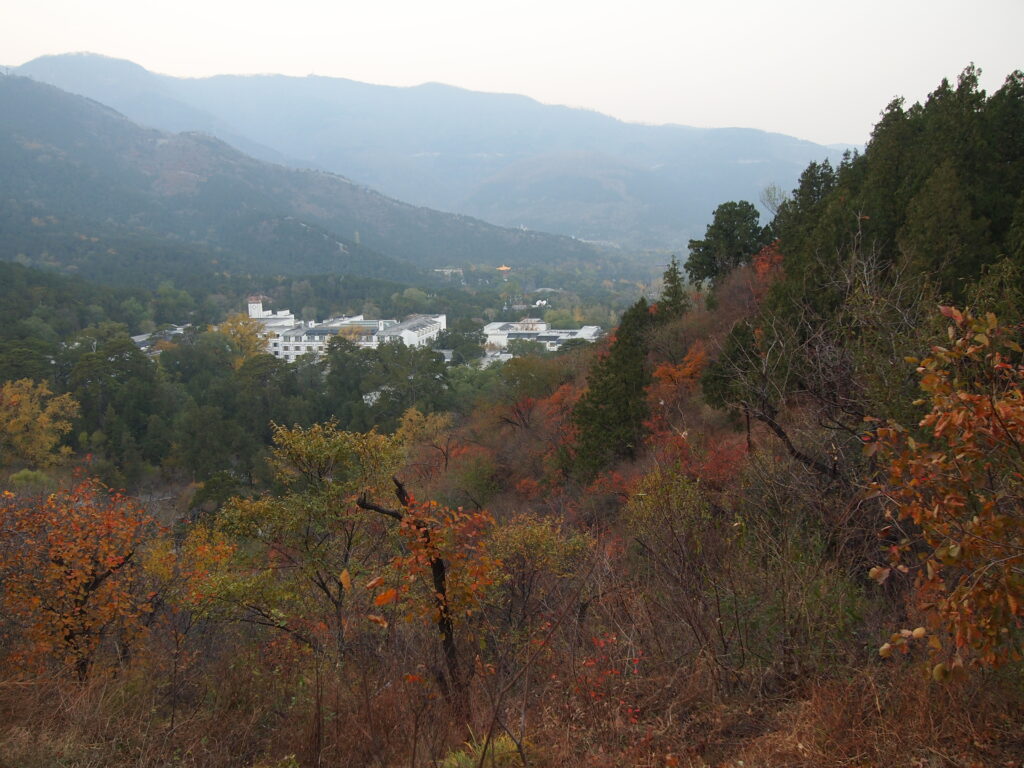
Beijing’s autumn colour is not subtle. Smoke trees, maples, and ginkgos shift from green to copper and crimson, and Fragrant Hills Park (香山公园, Xiangshan) is still the place locals name first. That fame is the problem. On peak weekends the paths slow to a shuffle, cable-car queues stretch, and the drive west can feel longer than the hike.
You can still have a good day. The trick is timing, transit, and a route that does not force you through every bottleneck. This guide is for English-speaking visitors who want red leaves without treating the park like a stampede.
Peak foliage is weather-dependent. In a typical year the strongest colour at Xiangshan arrives from mid-October into early November, with many years showing their best stretch around late October. Treat recent photos on Xiaohongshu or Douyin as a reality check, not a guarantee. After Mid-Autumn (Friday 25 September 2026) and before National Day Golden Week (usually 1–7 October 2026), the leaves are often still turning. After Golden Week the colour usually deepens, and so do the crowds. If you can choose, aim for a weekday after the holiday week, or a very early Saturday arrival.
For how October’s two holidays stack against each other on trains and hotels, see our Golden Week 2026 vs Mid-Autumn guide.
How to get there without sitting in western Beijing traffic
Driving or taking a ride-hail to the gates during red-leaf season is how people lose a morning. Public transit is the practical default.
Take Subway Line 10 to Bagou, then transfer to the Xijiao Line (Western Suburban Line) to Xiangshan Station. From the station it is a short walk to the park area. Confirm the last trains before you go uphill, especially if you stay for late-afternoon light.
Buy or top up a transit card, or pay with a working mobile QR where the line accepts it. Keep a little cash for edge cases. If your phone payments are not ready yet, fix that the night before with our Alipay and WeChat Pay guide for foreign visitors.
Arrive before the park gets busy. Opening hours shift by season. In warmer months the park often opens early morning and stops entry in the evening. In colder months hours shorten. Check the day’s notice on the park’s official WeChat booking channel before you leave your hotel. The mini program visitors commonly use for Beijing park reservations is 畅游公园 (Changyou Gongyuan). Search 香山公园 inside it. Do not rely on a third-party “guaranteed entry” listing.
Tickets, reservations, and what can change in red-leaf season
Outside peak foliage, Xiangshan is usually easier to enter. During the autumn red-leaf period, Beijing parks often tighten controls: timed entry, advance reservation windows, and separate cable-car products. Booking windows are commonly measured in days ahead (visitors often report one to seven days), but festival rules can tighten further on short notice.
Book under your passport name exactly as printed. Pay through the official channel shown in the mini program. Cable-car tickets are frequently a separate purchase and can sell out or switch to one-way-only sales on peak days. If the cable car is sold out, you can still hike. Wear shoes with grip. The main climbs are stairs and packed earth, not a casual mall walk.
Gate fees and cable-car prices are published by the park and can rise during the Red Leaf Festival period. Confirm the number on the official booking screen the day you reserve. We are not repeating a “current” fee here because seasonal festival pricing changes and stale numbers help nobody.
If you are travelling with children or older relatives, decide in advance whether the cable car is worth the wait. On peak Sundays the queue can cost more patience than the ride saves. A shorter lower-loop walk with good colour is often kinder than a forced summit.
A calmer morning plan (weekday or early weekend)
Leave central Beijing so you reach Xiangshan Station with time to spare before your entry slot. Enter, skip the densest souvenir approaches, and start walking while light is soft. Choose one primary climb (Incense Burner Peak / Xianglu Peak is the classic high point) instead of trying to photograph every named pavilion. Take a mid-morning snack break away from the main bottlenecks. Descend before the heaviest midday surge if you dislike shoulder-to-shoulder paths.
If you want fewer people in your frame, look sideways. Side trails and lower garden areas often show colour without the summit crush. Clear days after a cold night tend to give sharper reds. Hazy days still look good in person. They photograph flatter.
Pack a simple picnic or buy food before you enter if you hate stall queues. Carry more water than you think you need. Western Beijing hills run cooler and drier than downtown once the wind picks up.
What you are actually looking at
The park’s autumn reputation rests heavily on Chinese smoke tree (黄栌, huánglú), with maples and other deciduous trees filling the palette. Colour is not uniform. South-facing slopes and trees with more sun often turn earlier. One hillside can look finished while another is still green. That is normal, not a booking failure.
Bring layers. A light glove for late October mornings is not overkill. A compact rain shell handles both drizzle and wind. Leave drone fantasies at the hotel unless you have checked current park rules. Many crowded scenic parks restrict flights.
Photography tip without the influencer nonsense: shoot into open sky from slightly lower paths, then turn around for ridge colour. Midday overhead light washes reds. Early and late are kinder.
Pairing Xiangshan with a saner Beijing day
Do not stack Xiangshan and the Forbidden City on the same peak weekend. Both reward focus. If your trip straddles late September into October, book the Palace Museum for a quieter weekday first. Use official Palace Museum channels and our Forbidden City tickets before Golden Week 2026 guide for the 20:00 release logic. Keep Xiangshan for colour weekdays.
If you still have legs after a half-day in the hills, a residential hutong walk in the city is a gentler evening than another ticketed attraction. Our Beijing residential hutong walk is written for visitors who want streets that are still lived in.
Coming from Hangzhou or heading there next? West Lake early autumn is a softer colour day with a different pace. See West Lake Hangzhou first visit. For rail logistics between cities, use how visitors book a mainland train on 12306.
Practical checklist before you go
Passport for the reservation and gate check. Offline map pin for Xiangshan Station and your hotel return. Mobile payment working. Comfortable shoes. Light gloves for late October mornings. A compact rain shell. A flexible day: if the booking system shows only late slots on Saturday, take Monday instead.
Also check air quality if you have asthma. Hill days after a clean north wind are prettier and easier to breathe. If the forecast looks grim, swap to an indoor museum day and try Xiangshan again later in the foliage window.
What “without the crush” really means
You will still see people. Xiangshan in autumn is a Beijing ritual. “Without the crush” means you refuse the worst combination: Saturday midday, cable-car dependency, and arriving by car. Weekday, early, transit-first, one clear route. That is the version that still feels like a hillside, not a queue with scenery.
If foliage peaks while you are stuck in Golden Week hotel rates elsewhere in China, remember you can enjoy autumn colour in more than one city. Just do not try to “do” Xiangshan as a tired afterthought between two other mega sights.
Go for the red. Just do not go when everyone else already has the same idea at the same hour.