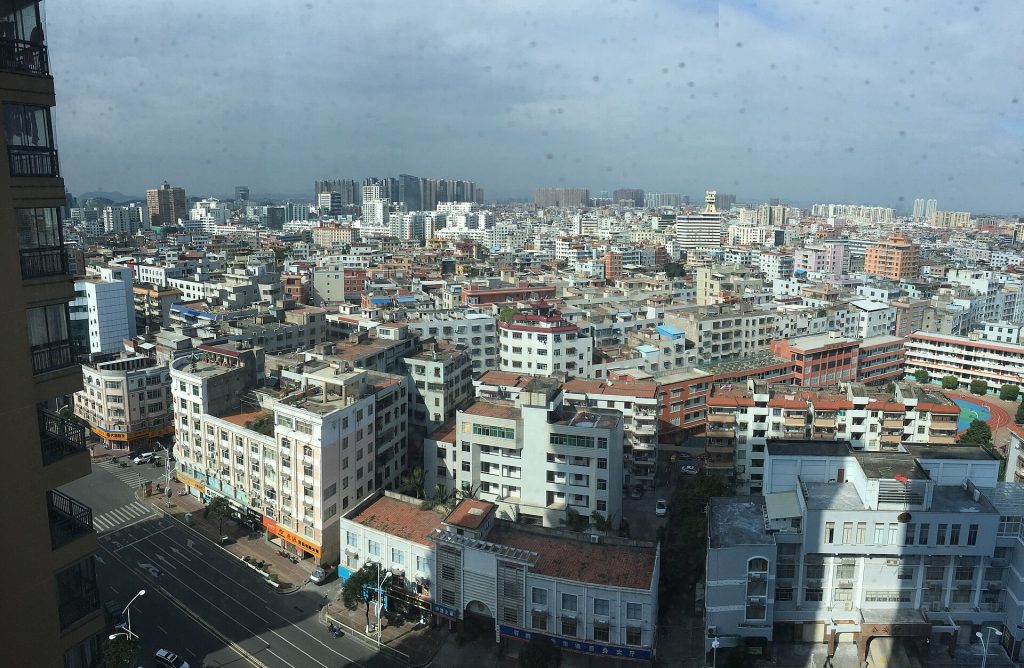
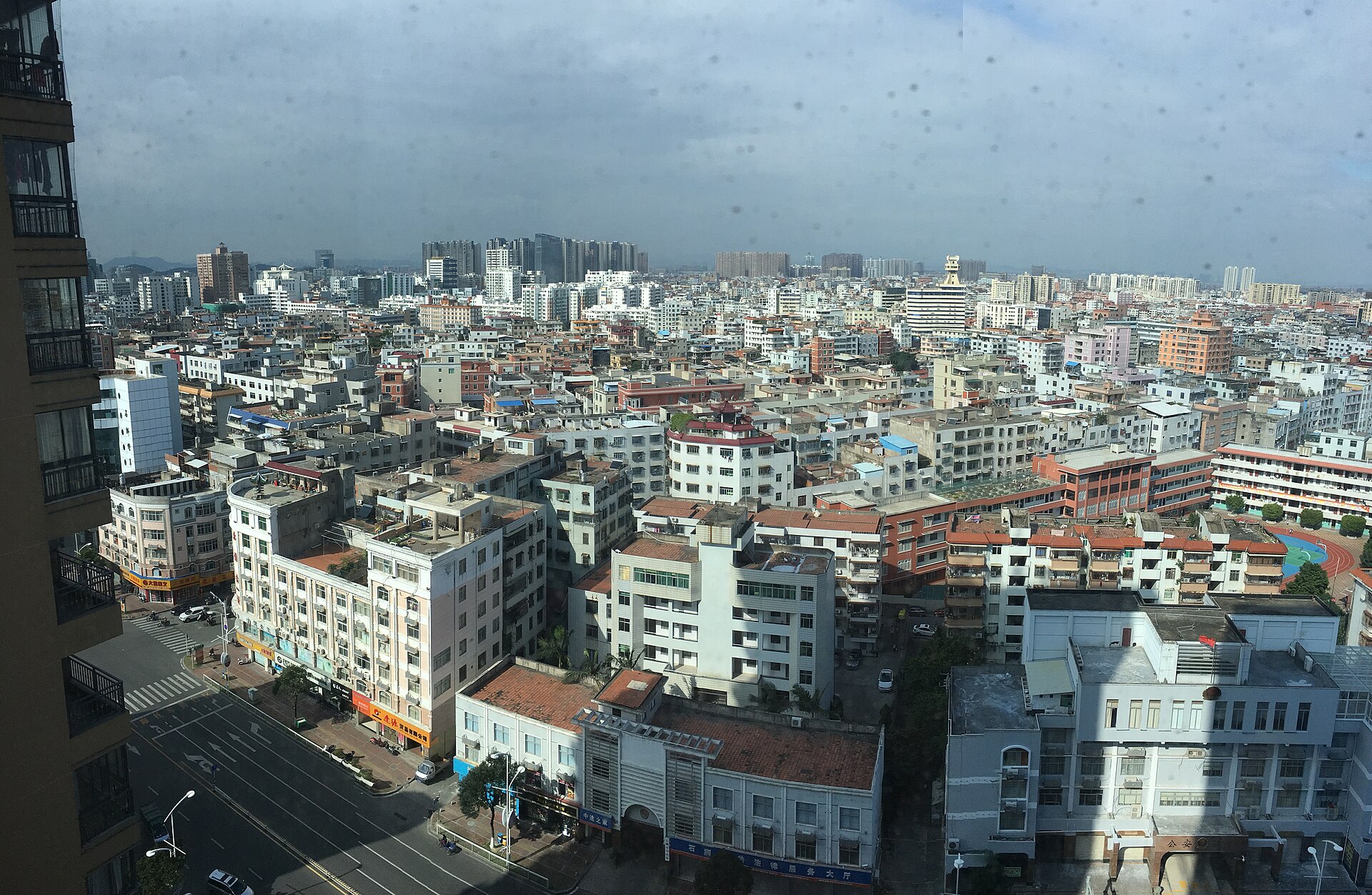
The motorcycle driver killed his engine beside a row of garment wholesalers, the sudden quiet broken only by the hiss of a pressure cooker from a noodle stall. He jerked his chin toward the alley behind me — dark, smelling of fried shallots and diesel — and named a price before I could ask. Six yuan. I handed him a crumpled ten and walked into the lane, where a grandmother in a floral apron was folding dumpling wrappers at a speed my eyes couldn’t follow.
Getting There Without a Schedule
Shishi sits in the crook of the coast between Xiamen and Quanzhou, close enough to both that you can reach it on a whim. There is no high-speed rail station in the city center; the nearest bullet trains stop at Quanzhou East or Xiamen North. From either hub, a long-distance bus drops you at the Shishi passenger terminal in about an hour. The buses run constantly — no timetable needed — and the fare is pocket change. If you are already in Xiamen, a ride-hailing car takes forty minutes on the expressway when traffic behaves. Drivers know the factory exits by heart; just show them the Chinese characters 石狮 on your phone.
Moving Through the City on Two Wheels
Public buses exist in theory. In practice, they appear when they please, packed with shift workers in reflective vests. Taxis are ghosts — you will wait twenty minutes for one that refuses the meter. The real network is the army of electric motorcycles idling at every intersection. Drivers wear helmets cracked at the visor, phones clipped to handlebars running navigation for passengers who don’t speak Minnan. Negotiate before you mount. A hop across downtown costs six to eight yuan; a ride to the coastal parks might run fifteen. Hold the grab rail, keep your knees in, and watch for the sudden swerve around a pothole the size of a wok.
Where the Streets Smell Like Garlic and Incense
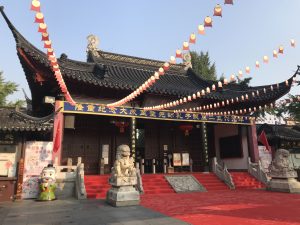
The three big parks — Phoenix Mountain, Bay Park, the one with the giant stone lion — are clean and empty, good for a morning jog if you like solitude. The pulse lives in the grid of narrow lanes behind the main boulevard. Here, a temple to Mazu shares a wall with a shop selling sequined hijabs, Arabic script painted beside Chinese couplets. Turn a corner and you hit a wet market: live eels thrashing in blue tubs, pyramids of lychee in season, stalls where women hack through pork ribs with cleavers that have seen three generations. There is no tourist map for this. Pick a lane, walk until the storefronts switch from fabric bolts to drying squid, then double back. You will find a courtyard shrine with incense ash spilling onto the threshold, an old man mending fishing nets in the doorway, a cat sleeping on a stack of Quranic primers.
Eating: Noodles, Seafood, and the Breakfast You Didn’t Know You Needed
Breakfast starts before dawn. Follow the steam to a stall where the broth has been rolling since yesterday — pork bones, dried scallops, a handful of fried shallots. The bowl arrives with hand-shaved noodles, a tangle of blanched greens, a spoonful of chili oil that sings. Lunch is simpler: a plate of rice, a dish of steamed fish with ginger and scallion so fresh the eyes are still clear, a side of stir-fried water spinach with fermented bean curd. Dinner means the night market near the old bus station. Order by pointing.
- Shacha noodles (沙茶面): thick wheat noodles, peanut-shrimp sauce, pork liver slices, fried shallots, pickled mustard greens.
- Oyster omelet (蚵仔煎): sweet potato starch batter, fresh oysters, egg, cilantro, chili sauce on the side.
- Steamed razor clams (清蒸竹蛏): garlic, vermicelli, splash of rice wine, served in the shell.
- Peanut soup (花生汤): slow-cooked peanuts, rock sugar, sometimes a drop of sesame oil — drink it hot from a paper cup.
If you want a sit-down meal, look for a restaurant with a tank of live crabs by the entrance. Order the ginger-scallion crab, a plate of salt-and-pepper squid, and a pot of Tieguanyin tea. The bill arrives on a scrap of paper; pay at the counter on your way out.
What Locals Expect (And What Trips You Up)
Minnan dialect owns the street. Mandarin works in hotels and chain stores, but the motorcycle driver, the dumpling auntie, the temple caretaker — they speak Hokkien. Learn three phrases: chia̍h-pá-bōe (have you eaten), to-siā (thank you), m̄-kiann (excuse me). Smiles widen instantly.
Cash is fading but still king in markets and on motorbikes. Keep small bills — tens and twenties — in a front pocket. WeChat Pay and Alipay work everywhere else, but the QR code on the noodle stall may be faded behind a layer of grease.
Traffic flows on instinct. Cars, trucks, motorcycles, and pedestrians negotiate space by eye contact and horn blasts. Step into the lane with hesitation and you become an obstacle. Walk at a steady pace, hold your line, and the river of metal parts around you.
Friday midday finds the mosques full. The call to prayer echoes over the factory roofs, a sound that has belonged to this coast for centuries. If you wander near a prayer hall, lower your voice, remove your hat, and don’t point your camera at worshippers. The same respect applies at Mazu temples: no flash photography inside, no stepping on the threshold.
Seasons and the Rhythm of the Port
Autumn brings the clearest skies and the heaviest crab catches. The Mid-Autumn Festival lights up the waterfront with lanterns shaped like fish and lotus blossoms. Winter is mild — a light jacket suffices — and the garment markets swell with buyers placing orders for the spring collections. Spring rains turn the alleys slick; carry a compact umbrella and wear shoes that drain. Summer heat presses down wet and thick, but the lychees burst sweet and cheap, sold by the kilogram from the back of three-wheeled trucks.
Stay long enough to watch the tide pull back from the stone quay, exposing oyster beds worked by women in wide-brimmed hats. That is the Shishi that doesn’t appear in any guidebook — the one that keeps working while you sleep, that feeds you before you ask, that moves at the speed of a motorcycle turning onto a lane too narrow for cars.